







Traveling to Marrakech is an experience that awakens all the senses, but it is through the palate where it truly conquers its visitors. Moroccan gastronomy is a feast of aromas, sweet and salty spices, tender textures and slow cooking that narrate the history and culture of the country. In this postPartner’s Leisure, we invite you on a gastronomic journey through traditional Moroccan food: we tell you which are the traditional dishes that you should try and the sweets that will sweeten your afternoons of sightseeing.
How to start the day: The traditional Moroccan breakfast
Before getting lost in the passageways of the souks or visiting historical monuments such as the impressive Medersa Ben Youssef or the Bahia Palace, it is mandatory to recharge your batteries with a good local breakfast. Breakfasts in Marrakech are characterized by a delicious combination of artisan breads, crepes, olive oil, honey, fresh cheeses and olives.
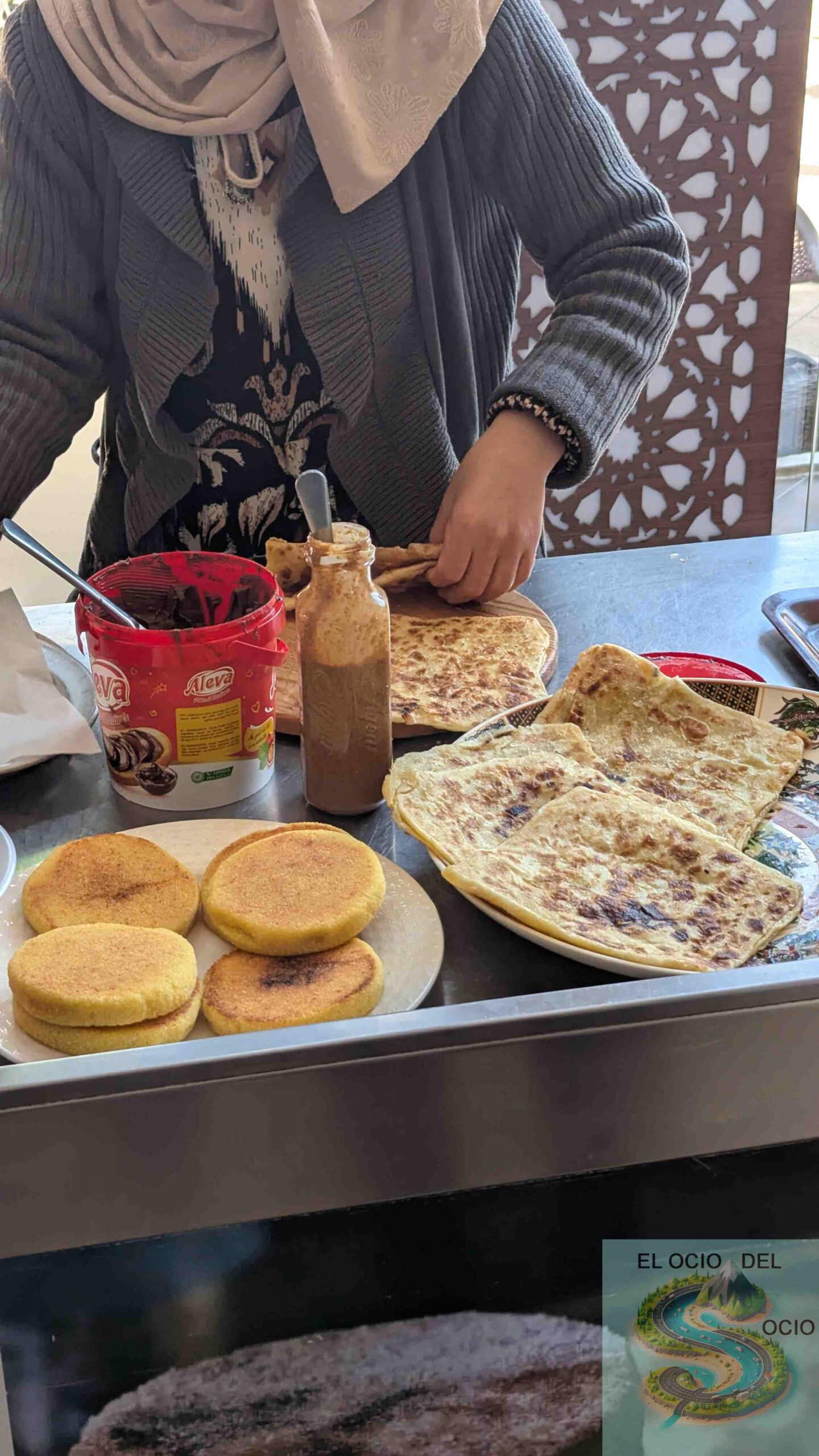
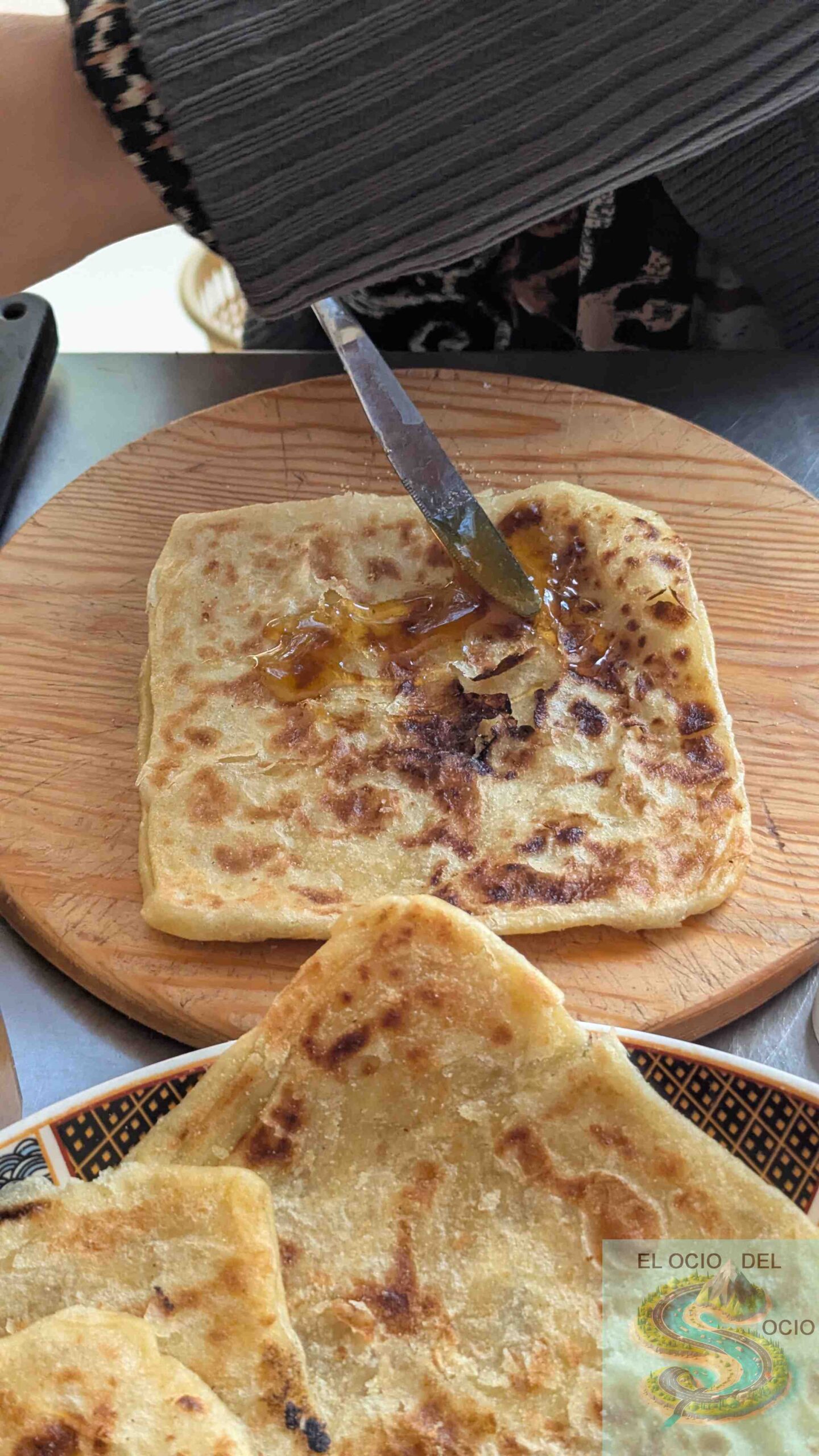
Among the jewels of the breakfast, theMsemen, typical square-shaped Moroccan crepes with a flaky and elastic texture that are served hot accompanied by honey or butter. Another essential is theBaghir, a fluffy and light pancake, popularly known as the “crepe with a thousand holes”, perfect for absorbing the honey syrup that usually accompanies it.
The essential main dishes of Marrakech gastronomy
If you are wondering what to eat in Marrakech for lunch or dinner, the answer is found in its traditional recipe book, marked by the masterful use of spices such as cumin, cinnamon, ginger and saffron.
El Tajine: The king of slow cooking
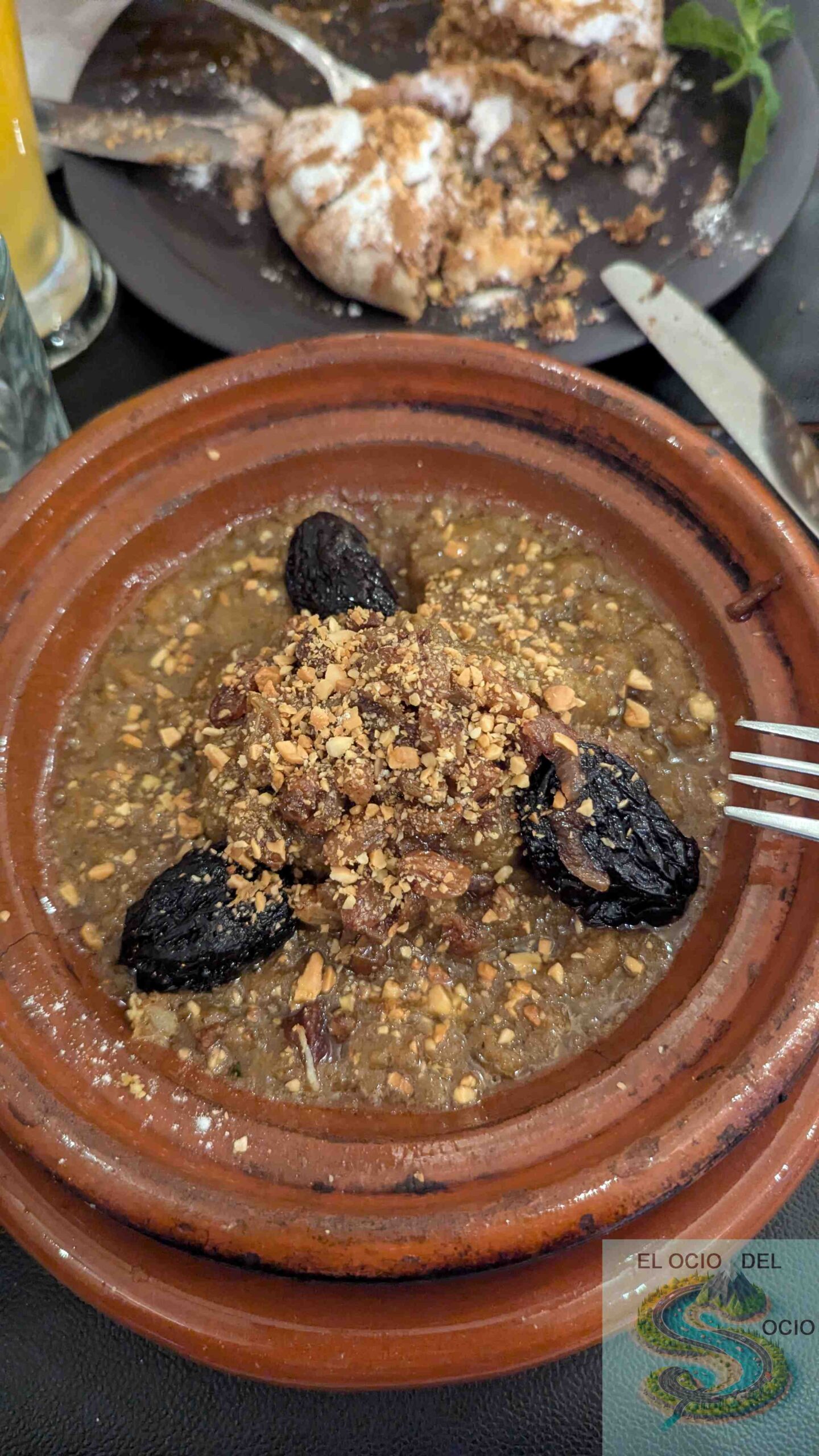
Tajine is perhaps the most representative dish of Morocco. Its curious name comes from the clay container with a conical lid where it is cooked over low heat, allowing all the juices to condense and the meat to become extremely tender. There are infinite varieties of tagines, so we recommend trying several during your trip.
The most popular and acclaimed by travelers are:
- Chicken with pickled lemon and olives:A spectacular acidic and salty combination.
- Lamb with plums and almonds:The perfect balance between sweet and salty, decorated with crunchy sesame.
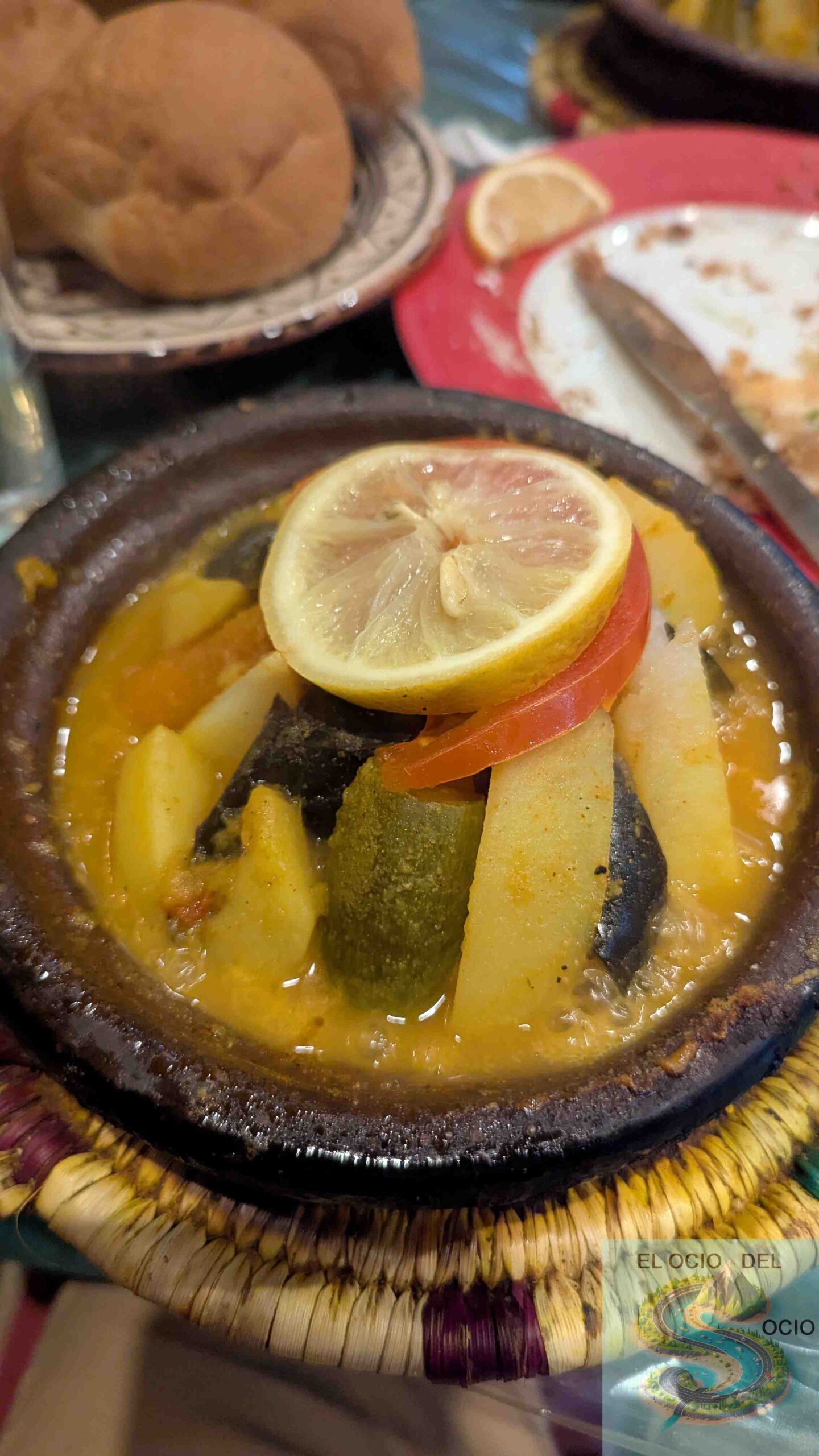
- Vegetable tagine:A delicious vegetarian option packed with seasonal vegetables seasoned with spices.
Couscous
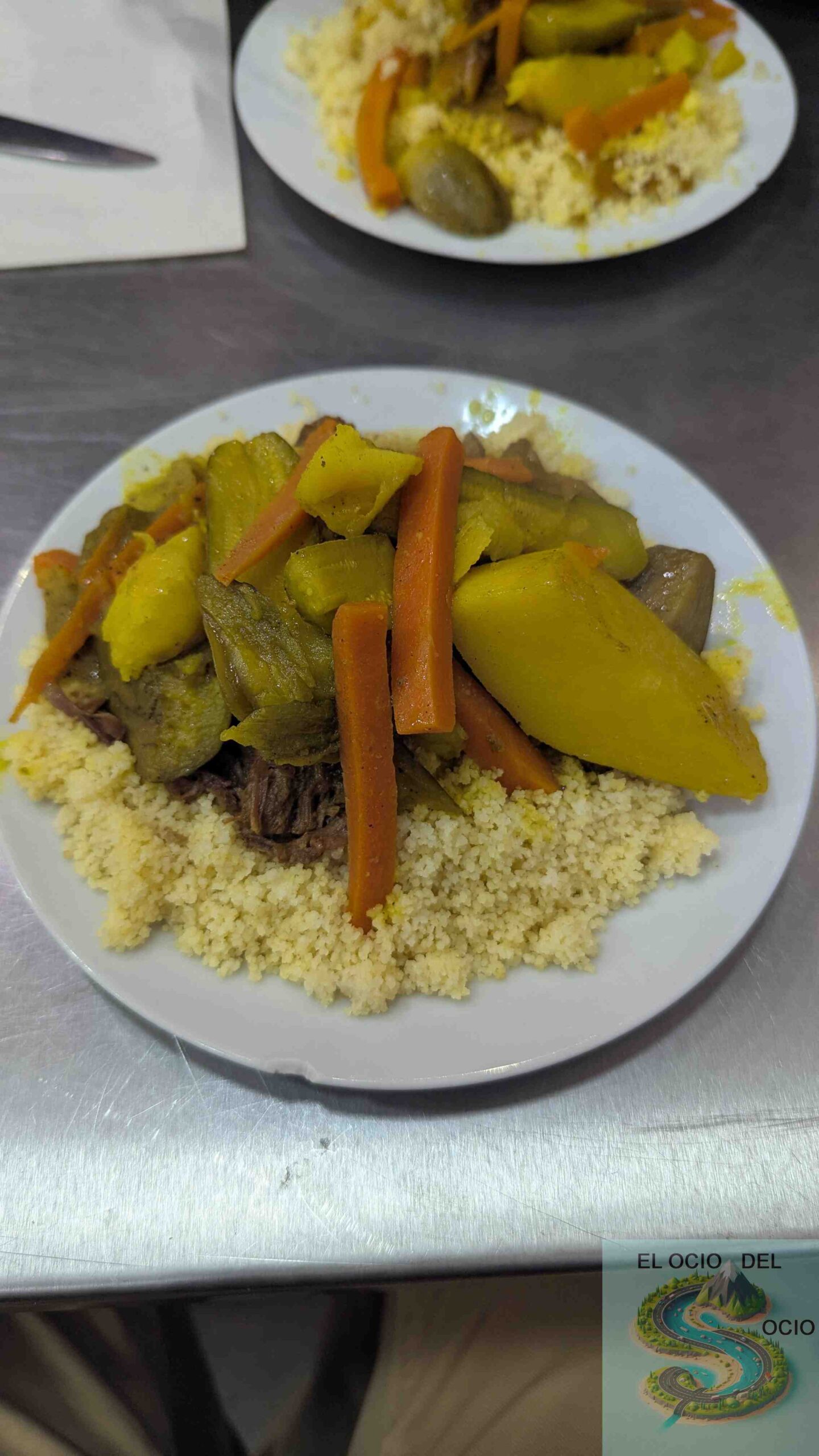
Couscous is the family dish par excellence in Morocco, traditionally consumed on Fridays. It consists of steamed wheat semolina accompanied by a rich broth, meat and vegetables. The most famous version is theseven vegetable couscouswhich, paradoxically, is also usually topped with lamb or chicken to give it an unmatched flavor.
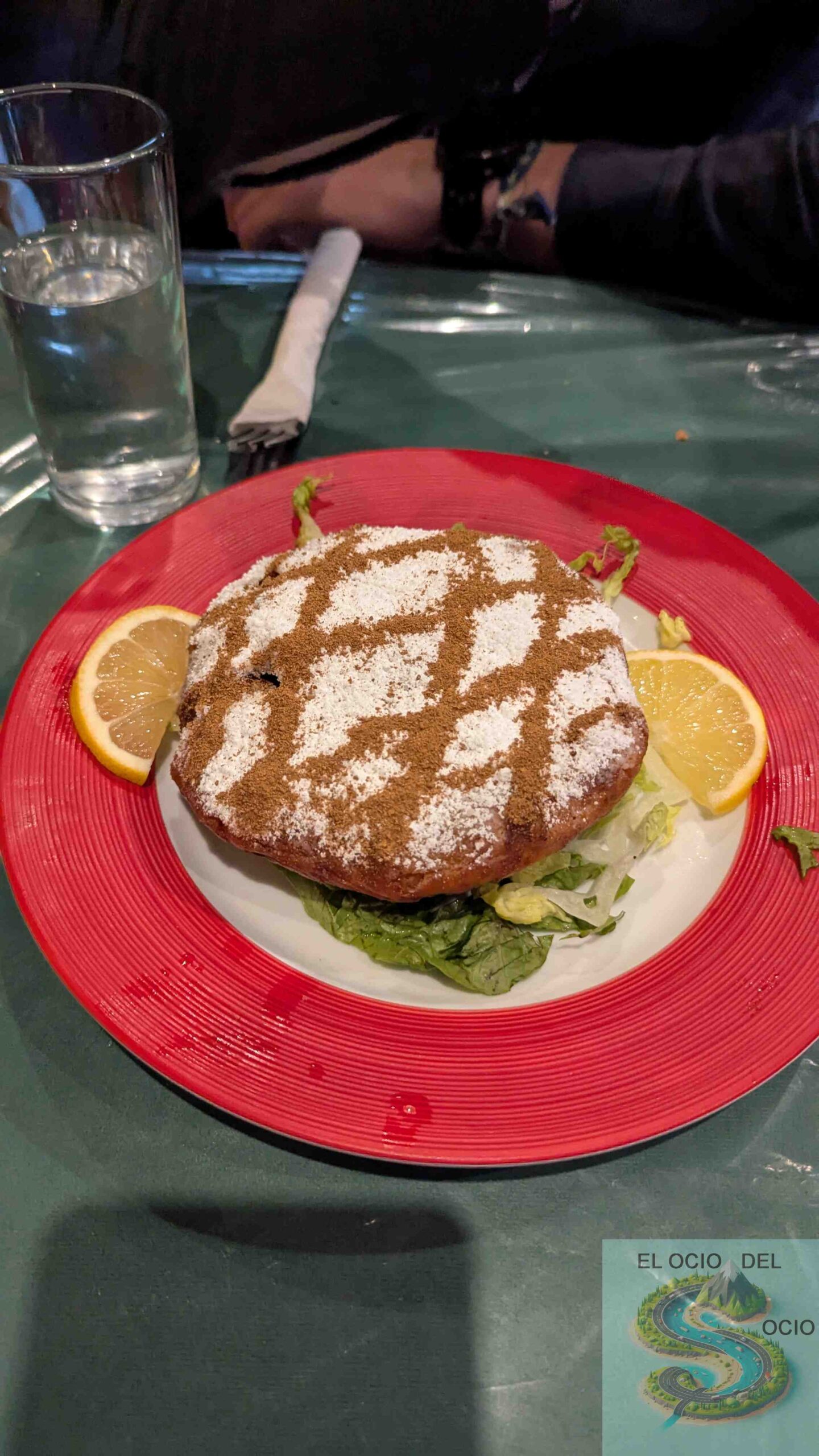
The Pastela (or Pastilla)
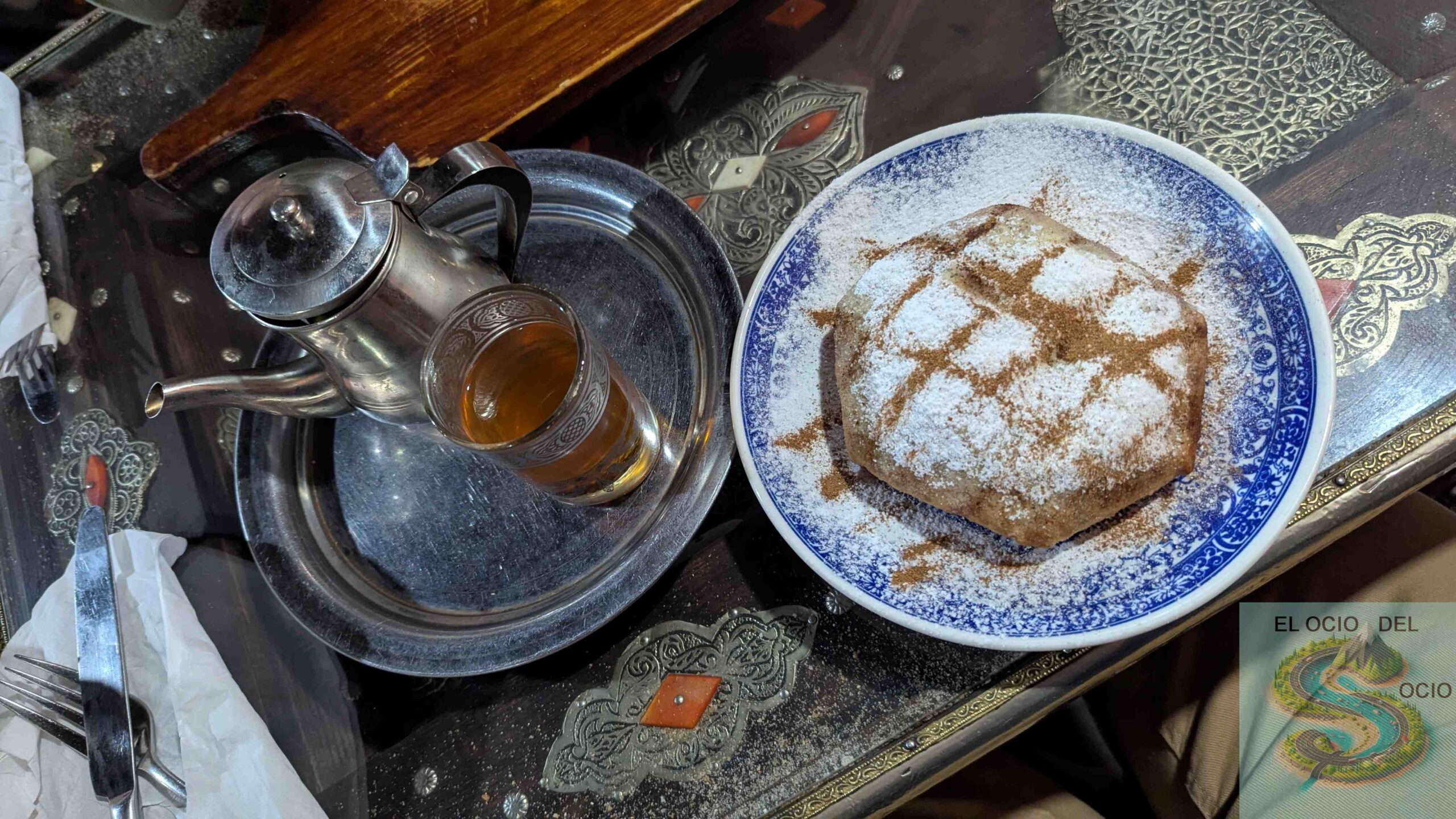
The pastela is a culinary delight that plays masterfully with the sweet-salty contrast. It is a puff pastry or crispy filo pastry filled with shredded meat, seasoned with onion, parsley, toasted almonds, egg and a perfect mixture of cinnamon and icing sugar sprinkled on top. Although the traditional recipe is made with pigeon meat, nowadays it is extremely common to find it stuffed with chicken, a perfect option if you prefer a more familiar flavor.
Tangia and Mechoui: The specialties of Marrakech
If you are looking for exclusive dishes from Marrakech, you cannot miss these two meat delicacies:
- The Tangia:Like tagine, its name is due to the clay amphora where it is cooked. Lamb meat, garlic, cumin, saffron, pickled lemon and olive oil are introduced. The amphora is sealed and buried in the ash embers of a public wood-fired oven to cook slowly for hours. The resulting meat literally melts in your mouth.
- El Mechoui:A tender whole lamb slowly roasted on charcoal in underground ovens. Its texture is extremely soft and juicy.
Starters, creams and local appetizers
To whet your appetite before the main course, Moroccan tables are usually filled with small bowls with hot and cold salads, creams and comforting soups.
Zaalouk and Keftas
HeZaaloukIt is a hot starter made from eggplant and tomatoes cooked with olive oil, garlic, cilantro, cumin and a touch of chili. It has a texture similar to puree or ratatouille and is ideal for spreading with freshly baked Arabic bread.
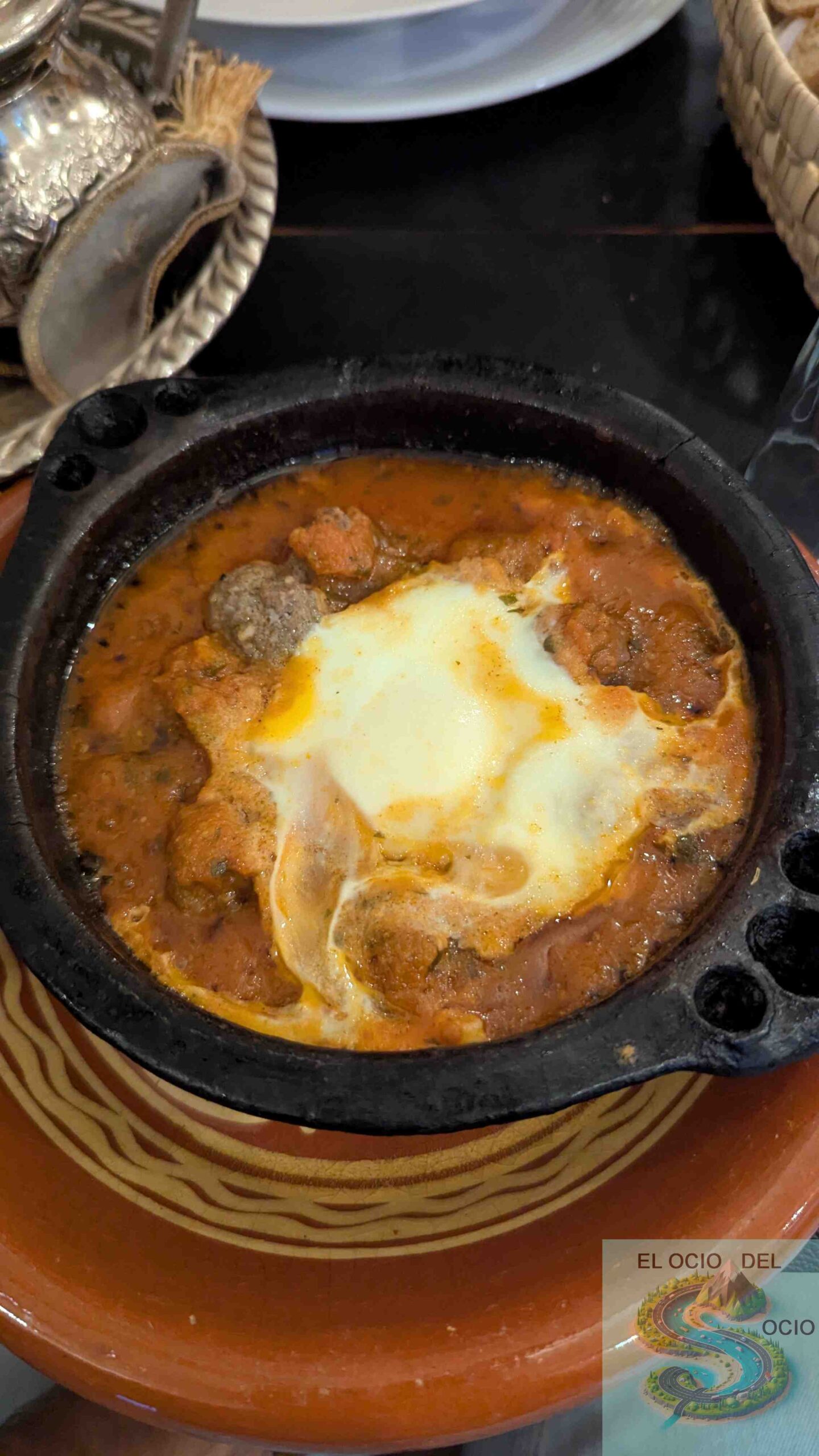
On the other hand, theKeftaIt is a mixture of minced meat seasoned with garlic, onion, cilantro, cumin and paprika. You can enjoy it in the form of grilled skewers or, exquisitely, cooked in a meatball tagine with homemade tomato sauce and a poached egg on top.
Traditional soups: Harira and Bissara
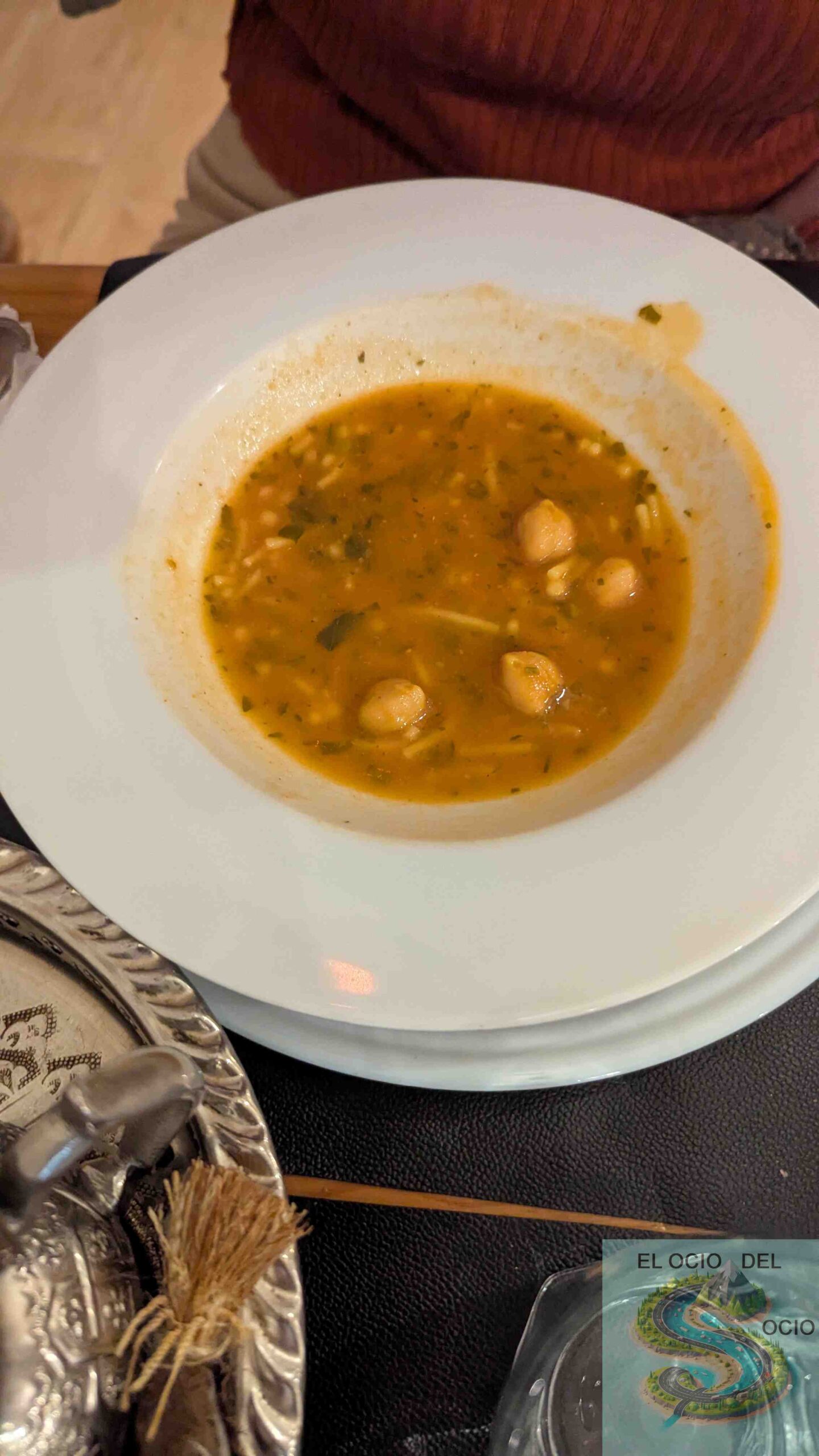
TheHarira soupIt is a dense and very nutritious soup made with meat, tomatoes, lentils, chickpeas and noodles, seasoned with cilantro and ginger. It is the dish with which the Ramadan fast is traditionally broken due to its great energy contribution.
If you prefer something different, look for theBissara, a warm, comforting cream made with peeled dried broad beans (and sometimes peas), served with a good drizzle of extra virgin olive oil, cumin and paprika on top.
The kunafa
Hekunafa(eitherknafeh) is an exquisite and very popular dish in the Arab world, which consists of a crunchy base of thin noodle dough (known askataifi) or semolina, traditionally filled with a soft, melting cheese—similar to mozzarella or unsalted fresh cheese—that is baked to an irresistible texture. Once out of the oven, it is generously bathed in a sweet syrup flavored with orange blossom water or rose water, and topped with chopped pistachios to provide a touch of color and crunchy contrast.
Although it is a very appreciated sweet inMoroccoand throughout the Maghreb, its origin is historically located in theMediterranean Levant, being especially emblematic of cities such as Nablus (Palestine), Lebanon, Syria and Jordan. Over time, it has become a symbol of hospitality throughout the region, being the star dish in celebrations, festivities such as Ramadan and family gatherings where it is served freshly and piping hot.
Dessert time and the mint tea ritual
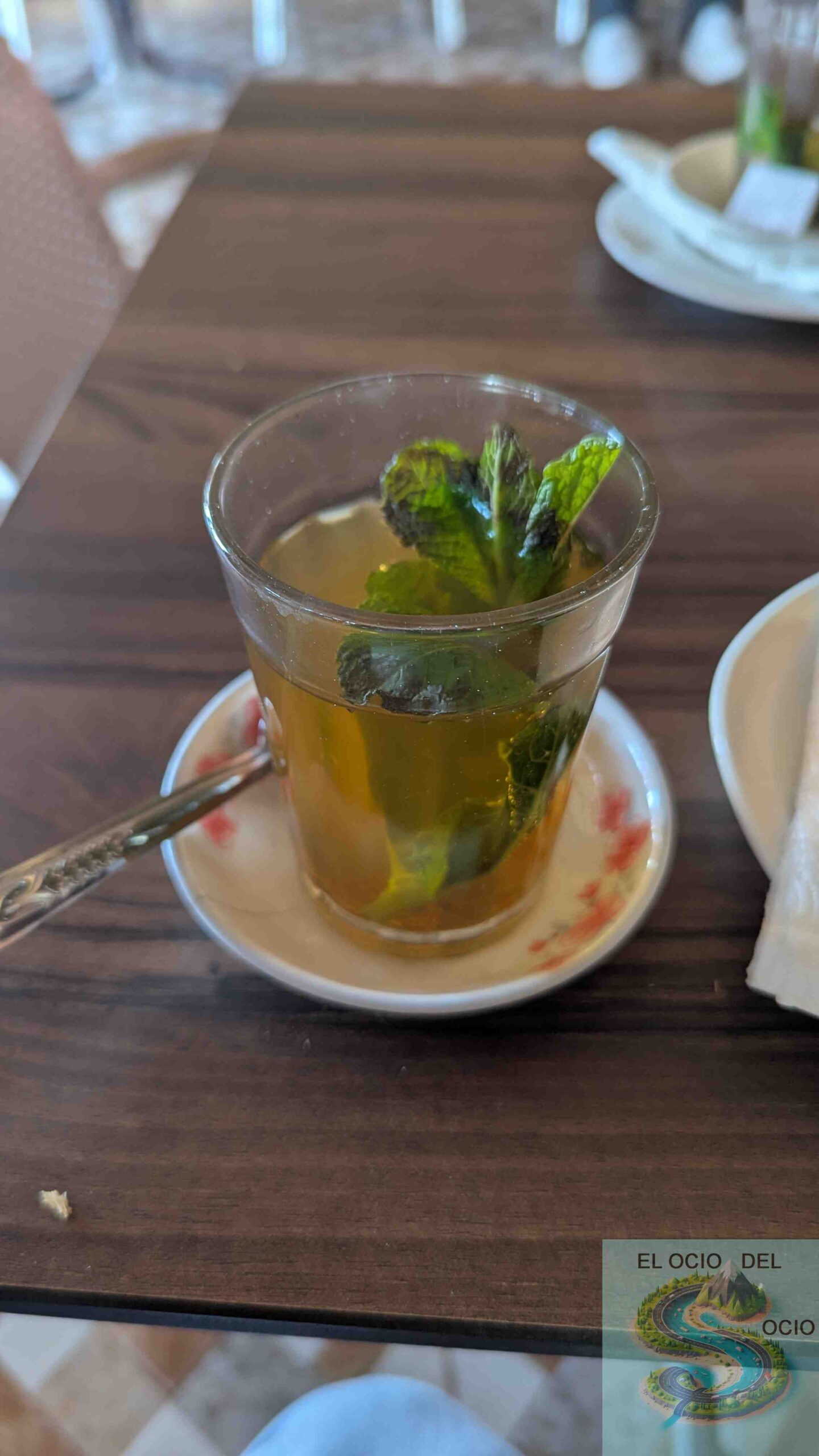
No meal in Marrakech is complete without its corresponding sweet finishing touch, always accompanied by the omnipresentmint tea, affectionately known as “Berber whiskey”. The tea is served hot, well sweetened and from a high altitude to create foam in the glass.
To accompany the tea, Moroccan pastries offer an exquisite variety of pastries made with local ingredients such as almonds, honey, orange blossom water and sesame. Highlights theChebakia(a fried dough flavored with anise, covered with honey and sesame), thegazelle horns(pastas filled with almond paste and orange blossom water) and theHalva(a traditional nougat).
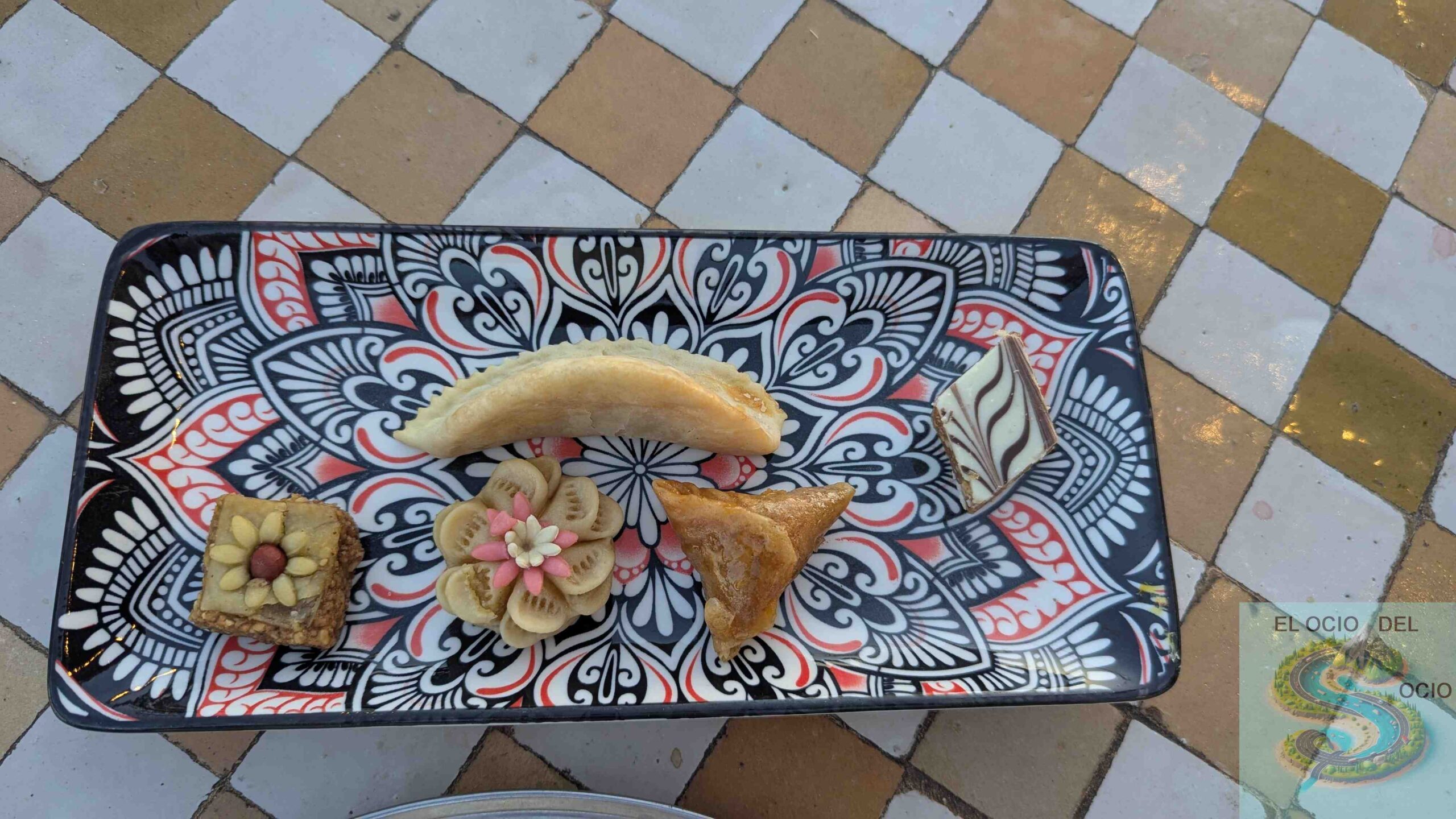
If you prefer a dessert with a spoon, theSeffaIt is a fabulous option made with very fine steamed semolina noodles, served with butter, icing sugar, cinnamon and ground toasted almonds.
To enjoy delicious Moroccan food, there is nothing better than exploring the historical charms of Morocco. To discover more about them, keep an eye on my blog.
Morocco’s gastronomy is a reflection of its rich culture and hospitality. Don’t hesitate to try each dish on this list and let yourself be carried away by the magical flavors of Morocco!