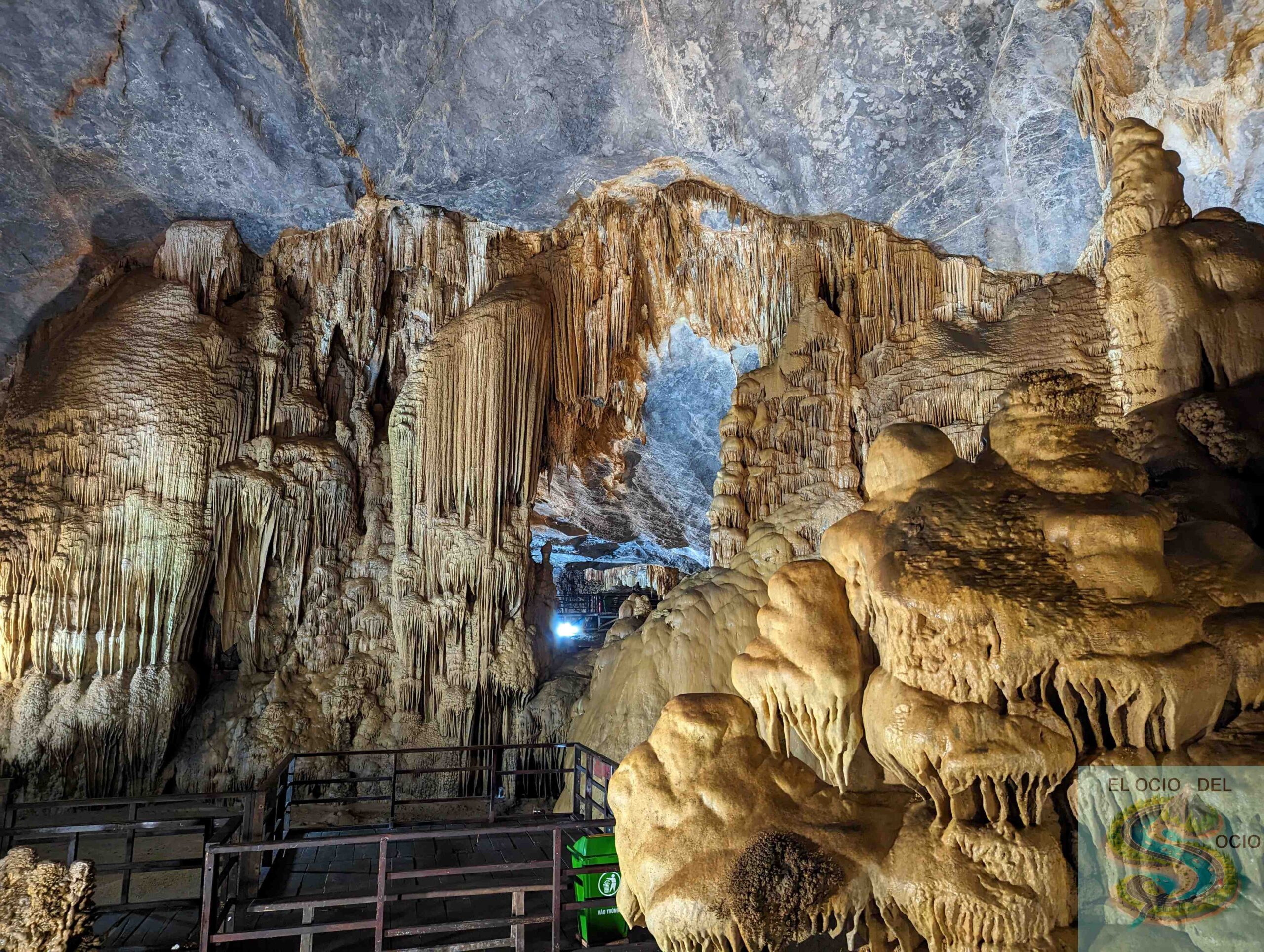
Popularly known as “Halong Bay on land”,Ninh BinhIt is one of the most spectacular jewels of Vietnam. This destination combines dreamlike karst landscapes, meandering rivers, ancestral temples hidden among mountains and vibrant green rice fields. If you’re planning your northern Vietnam itinerary, this streamlined guide will tell you everything you need to know to make the most of your two-day visit.
How to get there and how to get around Ninh Binh
Ninh Binh is located about 100 kilometers south of Hanoi, making it very accessible by bus, minivan or train. Most travelers choose to stay inTam Coc, a town much more picturesque and closer to the main attractions than the city of Ninh Binh itself.
To move around the area with total freedom, the best option is thebike rental(usually costs about 100,000 VND per day, about 4 euros) or rent a motorbike if you want to cover longer distances, such as the Bai Dinh resort. We recommend you download the applicationmaps.meto guide you offline along the paths between rice fields.
Mua Caves: The climb to the dragon viewpoint
To start the day with energy and avoid the hottest hours, your first stop should beMua Caves. Open from 6:00 a.m. to 6:00 p.m., admission costs 100,000 VND (about 4 euros).
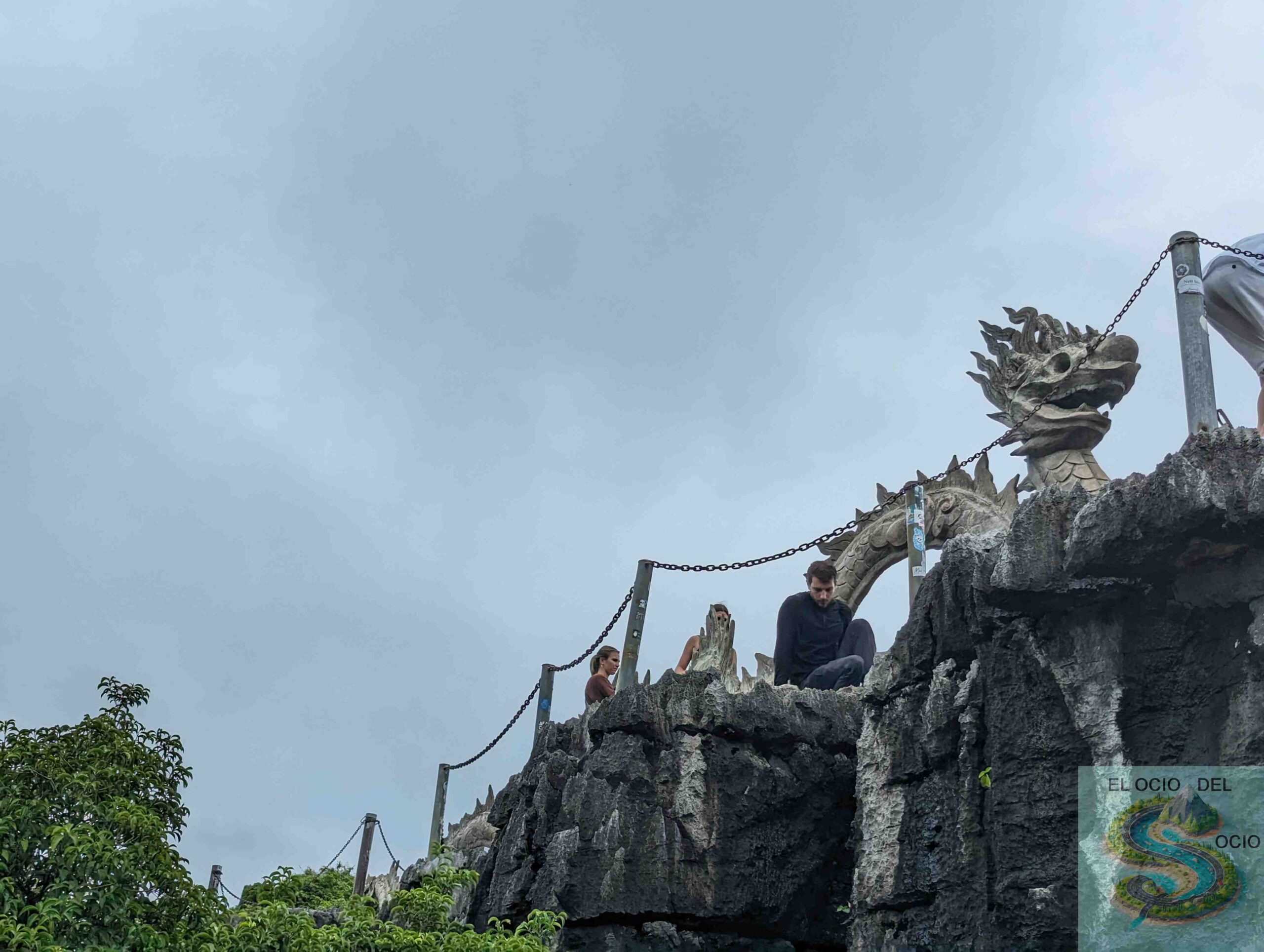
The most impressive thing about this place is not the cave itself, but the ascent of486 stone stepsthat imitate the Great Wall of China. The climb is demanding, but the reward at the top is one of the most iconic panoramic views in all of Vietnam: the Ngo Dong River winding between towering limestone formations and farm fields.
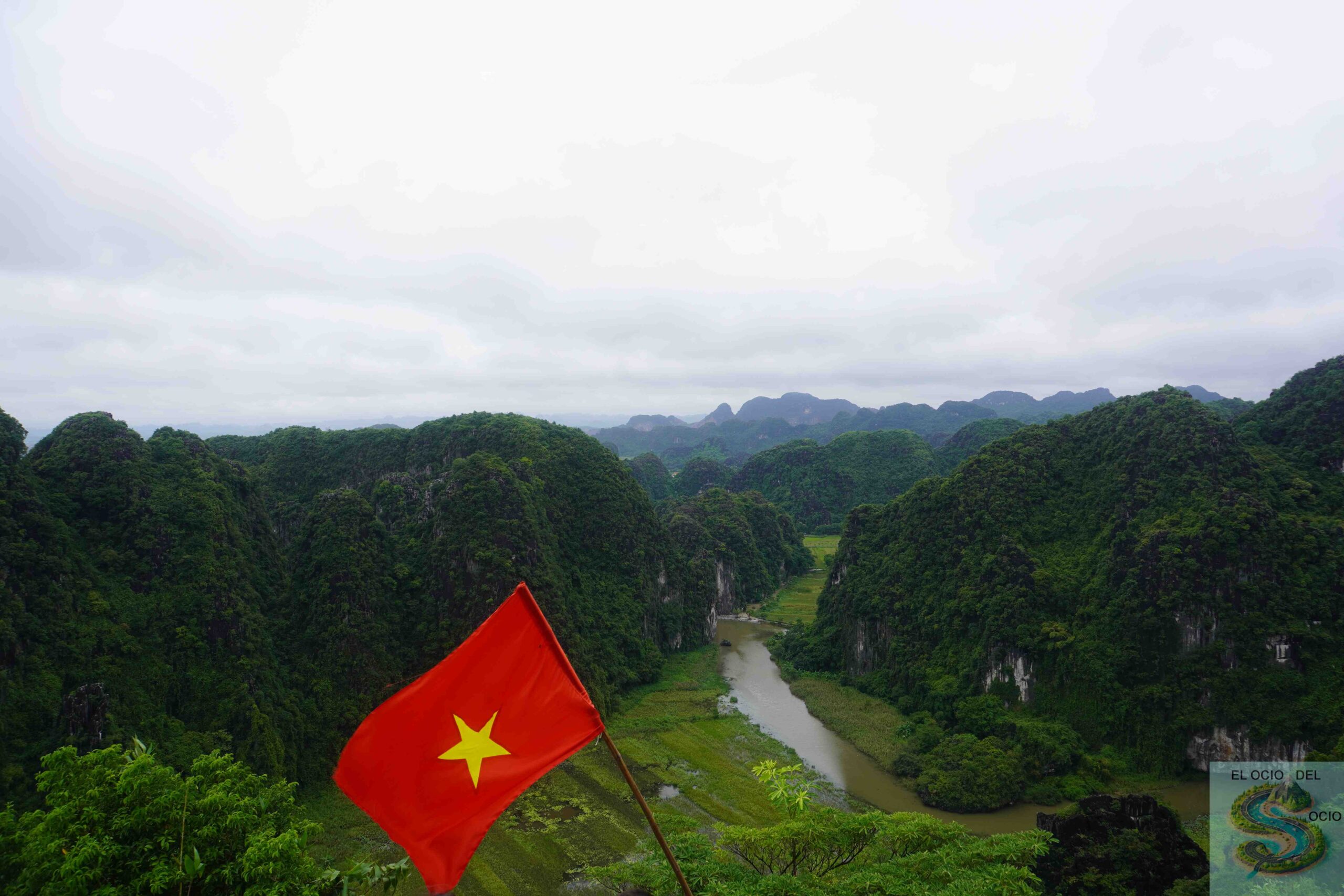
At the summit of the highest peak is the majestic statue of a stone dragon that watches over the entire valley. Don’t rush and take at least 2 hours to enjoy the path and the different viewing terraces.
Trang An: The Ultimate Boat Ride
When choosing a traditional boat ride,Trang AnIt far surpasses Tam Coc thanks to its spectacular organization, crystal clear waters and the astonishing number of temples and caves it passes through. It is located about 12 km from Tam Coc and the entrance costs 250,000 VND (about 10 euros per person in shared 4-passenger boats).
The complex offers 3 different routes guided by expert local paddlers:
- Route 1:The longest and most traditional (2.5 hours), ideal for lovers of pure caves (crosses 9 caves and 3 temples).
- Route 2:A perfect balance of 2 hours crossing 4 caves and 3 historic temples.
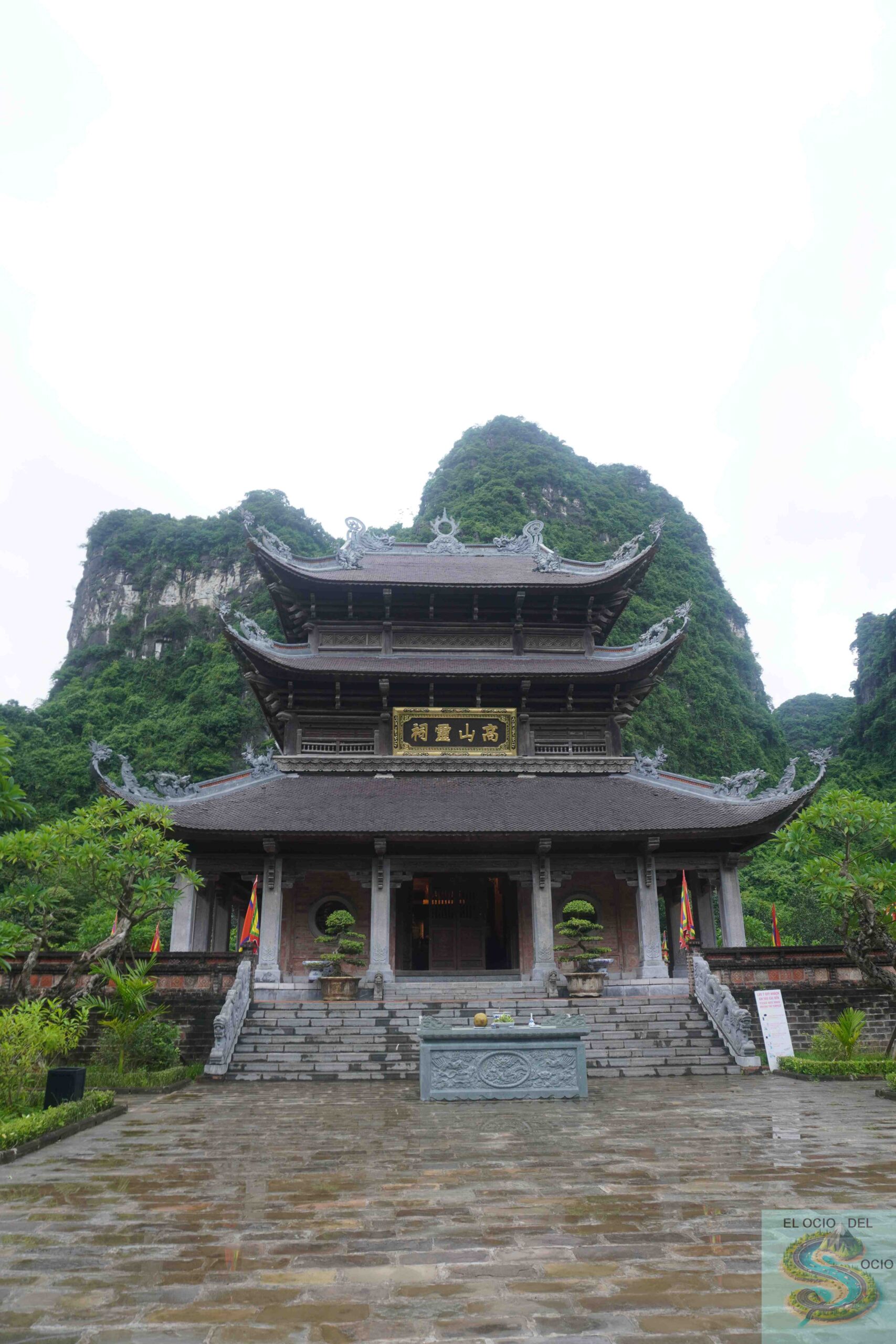
- Route 3:The most recommended if you are looking for the perfect photograph. It lasts approximately 1 and a half hours and includes the Dot Cave (the longest) and the photogenic floating temple on the water.
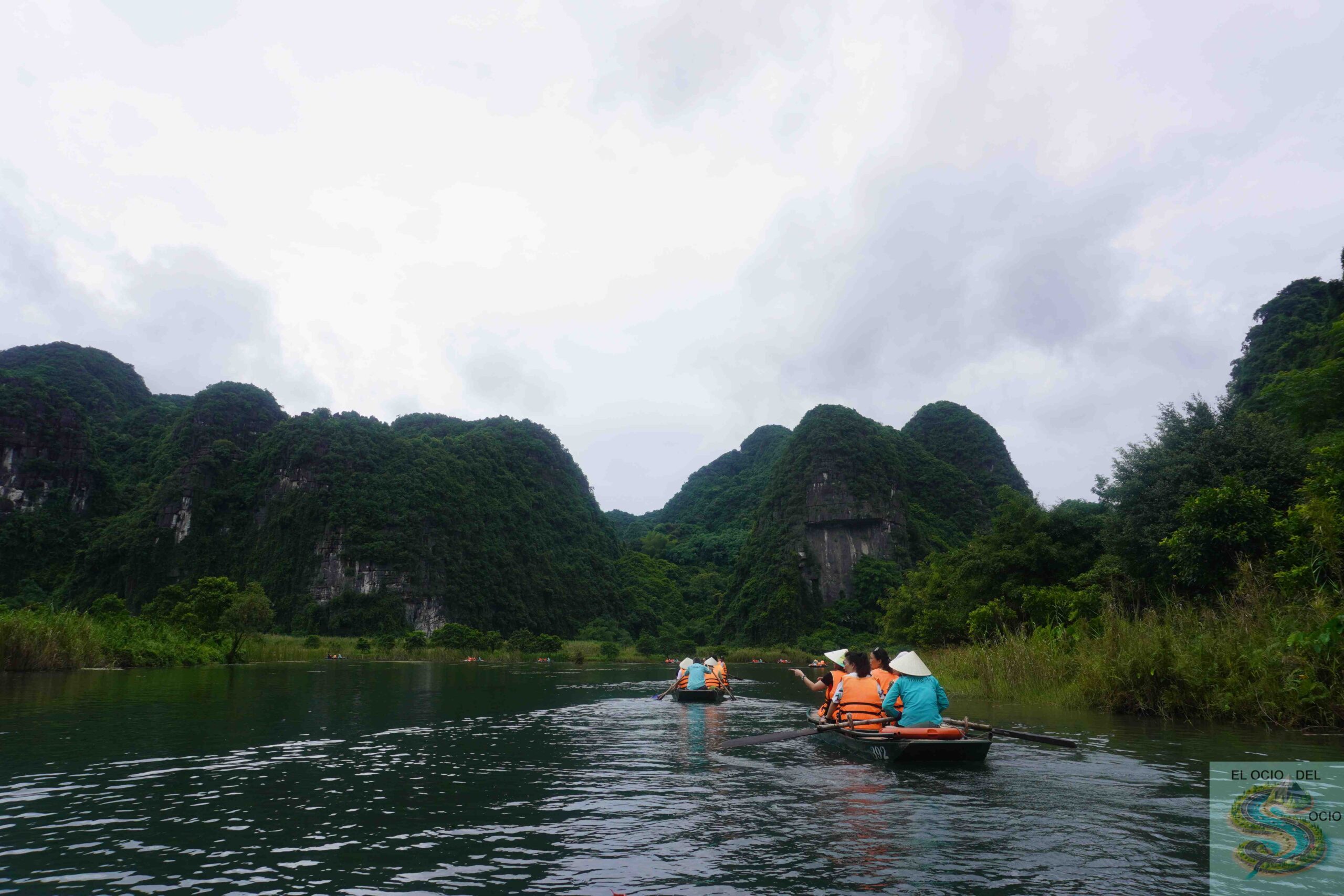
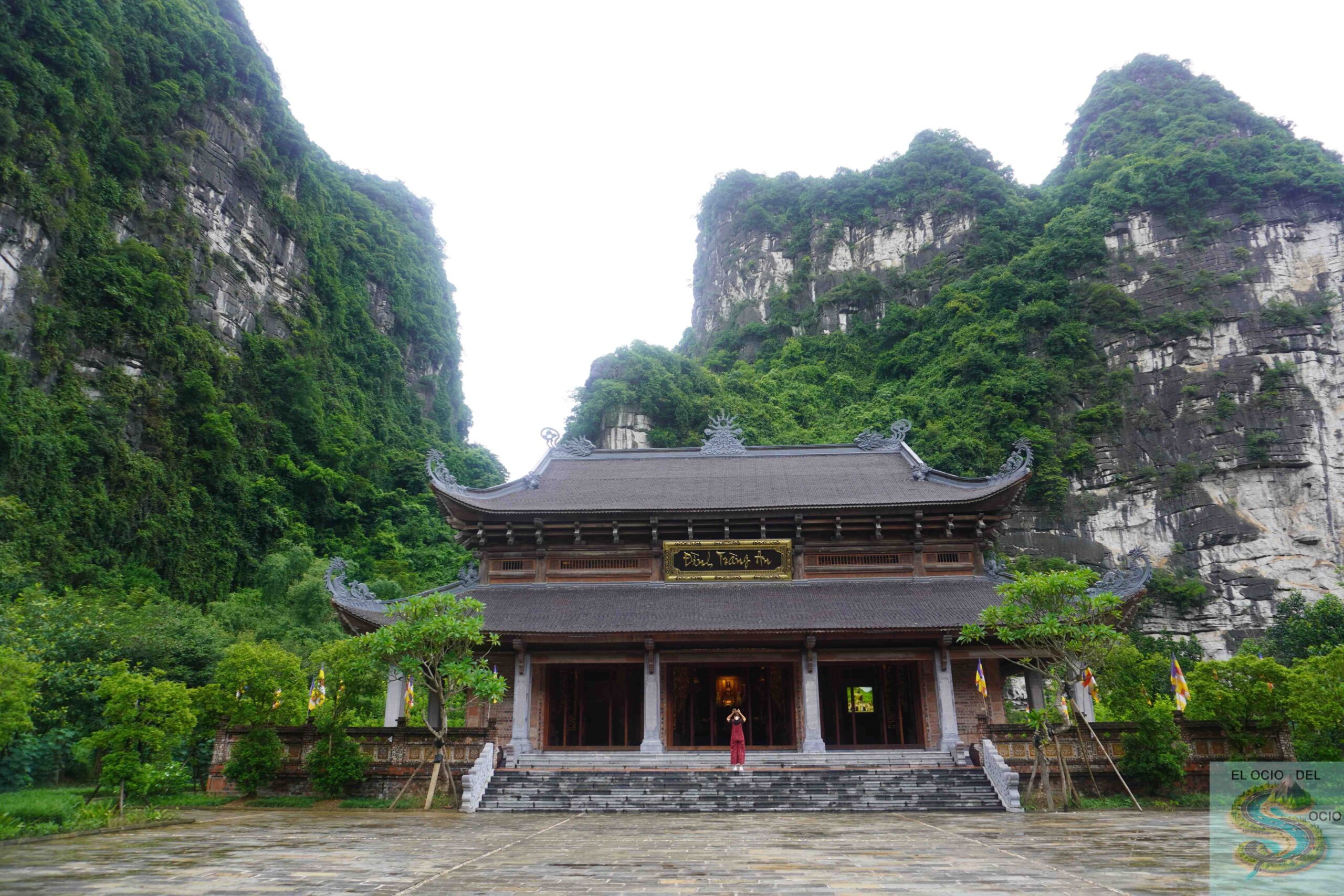
It is essential to make this visit early in the morning (it opens at 7:00) or late in the afternoon to avoid the crowds of the day tours that come from Hanoi, in addition to bringing a hat, sunscreen and plenty of water.
Hoa Lu: Journey to the former Imperial Capital
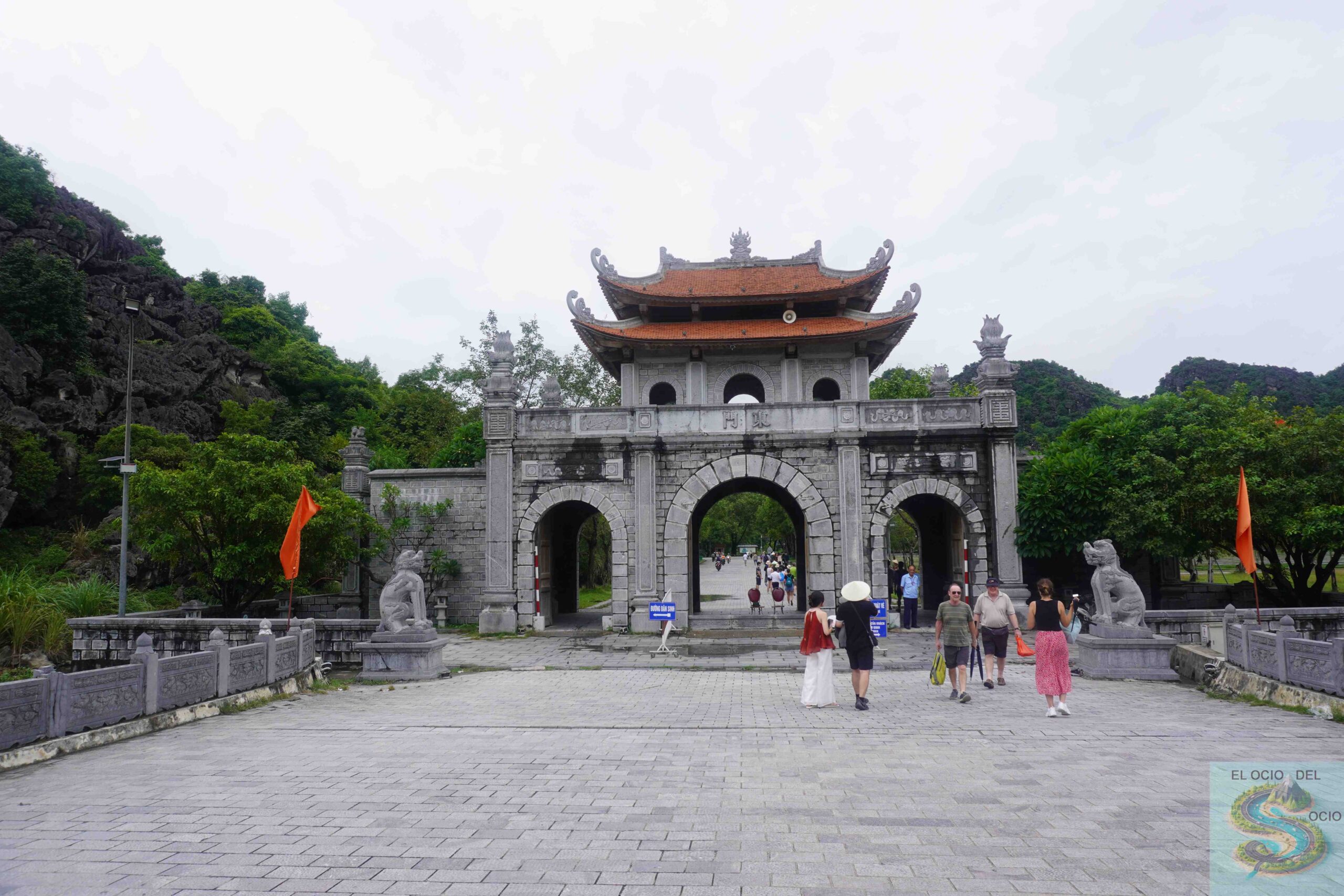
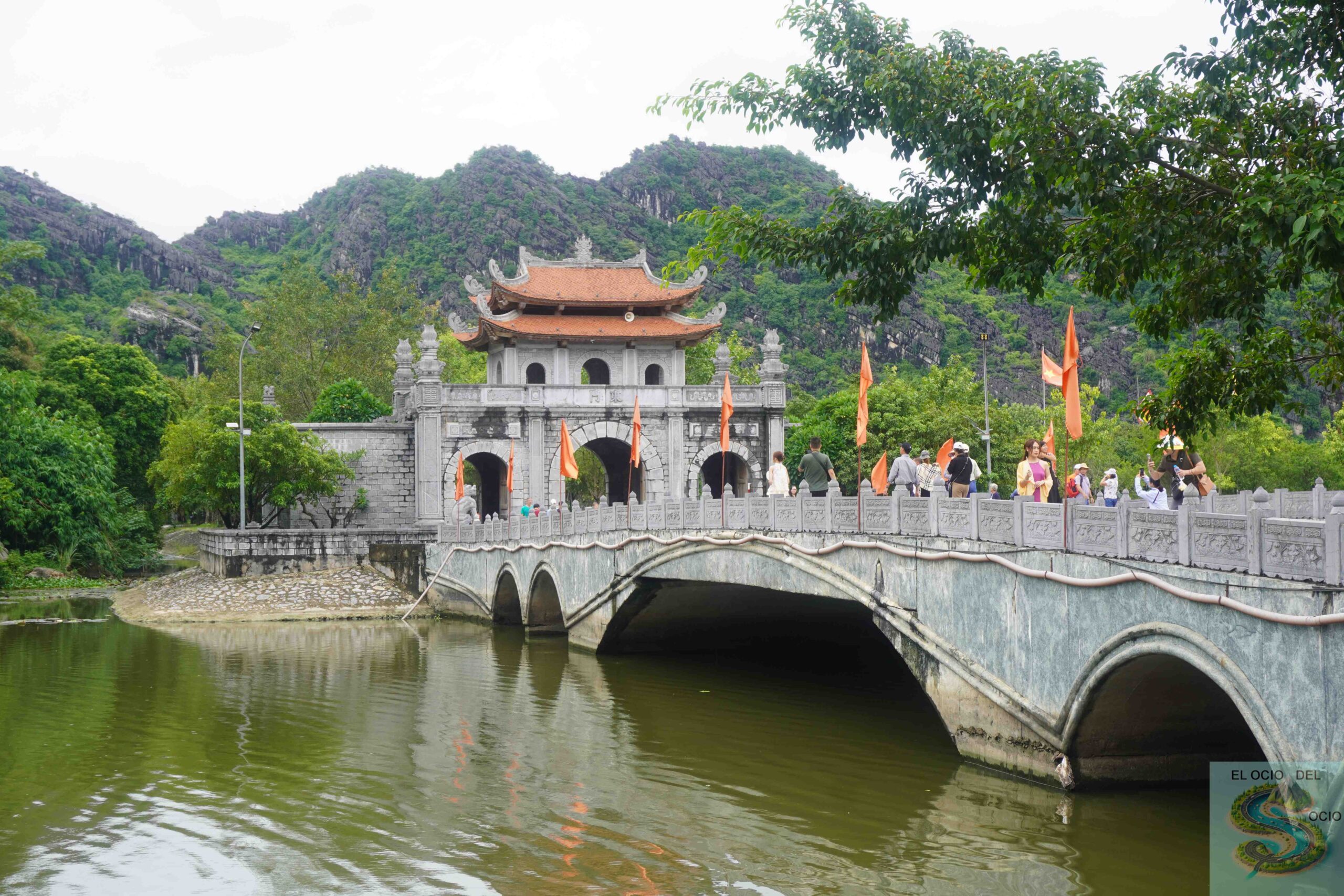
If you are looking to connect with the history of Vietnam, you must visitHoa Lu, the country’s capital during the 10th and 11th centuries under the Dinh and Le dynasties. Located in a natural valley protected by steep mountains, today reconstructions of temples of great spiritual value are preserved.
The most notable temple is that ofDinh Tien Hoang(entrance: 20,000 VND), dedicated to the emperor who unified the country. The complex exudes peace and solemnity, decorated with ponds full of lotus flowers and traditional carved wooden architecture.
Bich Dong Pagoda: The Fairy Tale Entrance
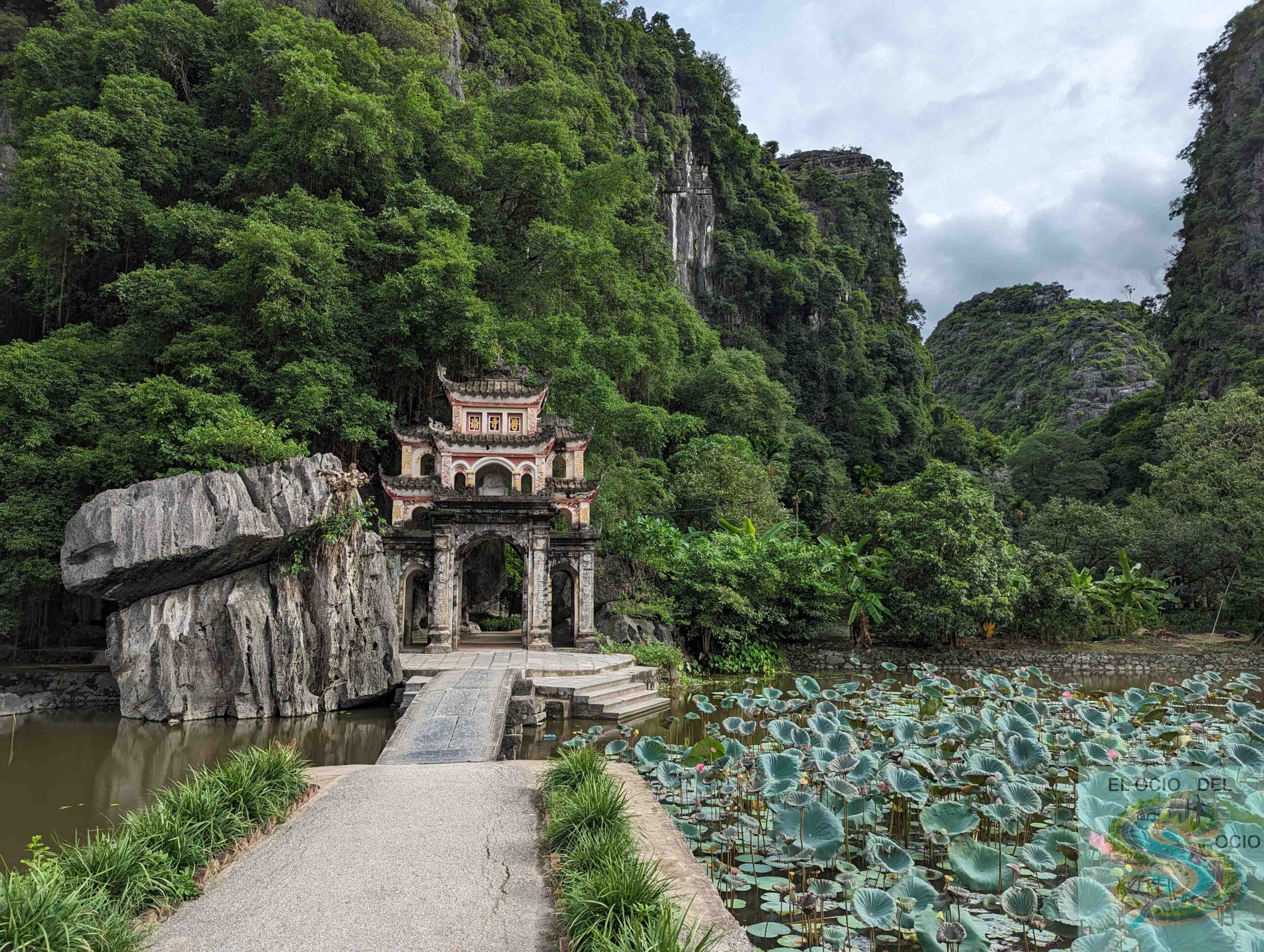
Just 2 kilometers from Tam Coc is the picturesqueBich Dong Pagoda. Access is completely free and the recommended time is from 7:00 a.m. to 5:00 p.m.
The most famous image of this place is its iconic stone bridge over a pond covered with water lilies, which leads to an ancient gate organically integrated into the mountainside. The temple is divided into three levels carved into the rock (lower, middle and upper pagoda) which are accessed by ascending through dark and mystical caves.
Bai Dinh Buddhist Complex
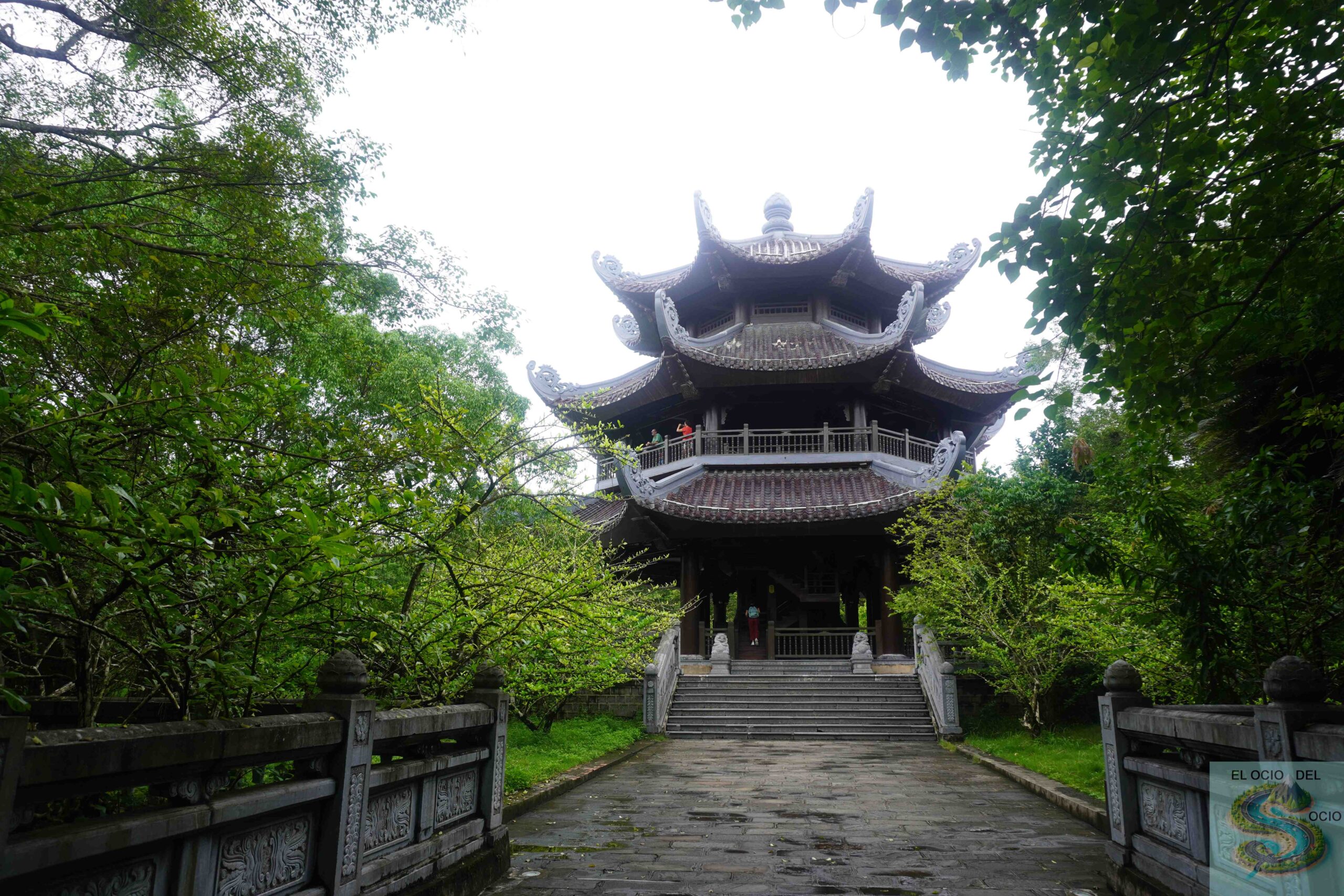
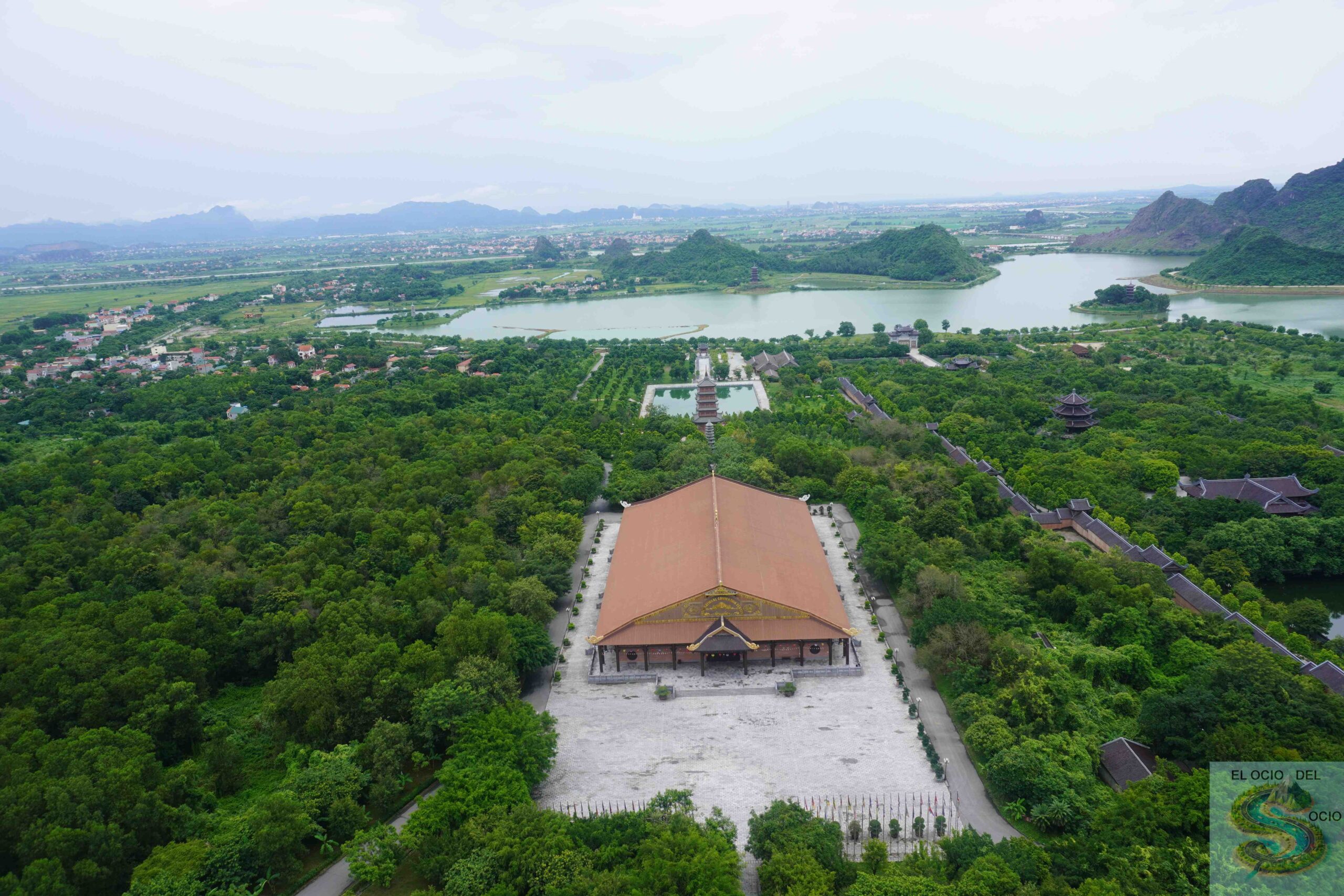
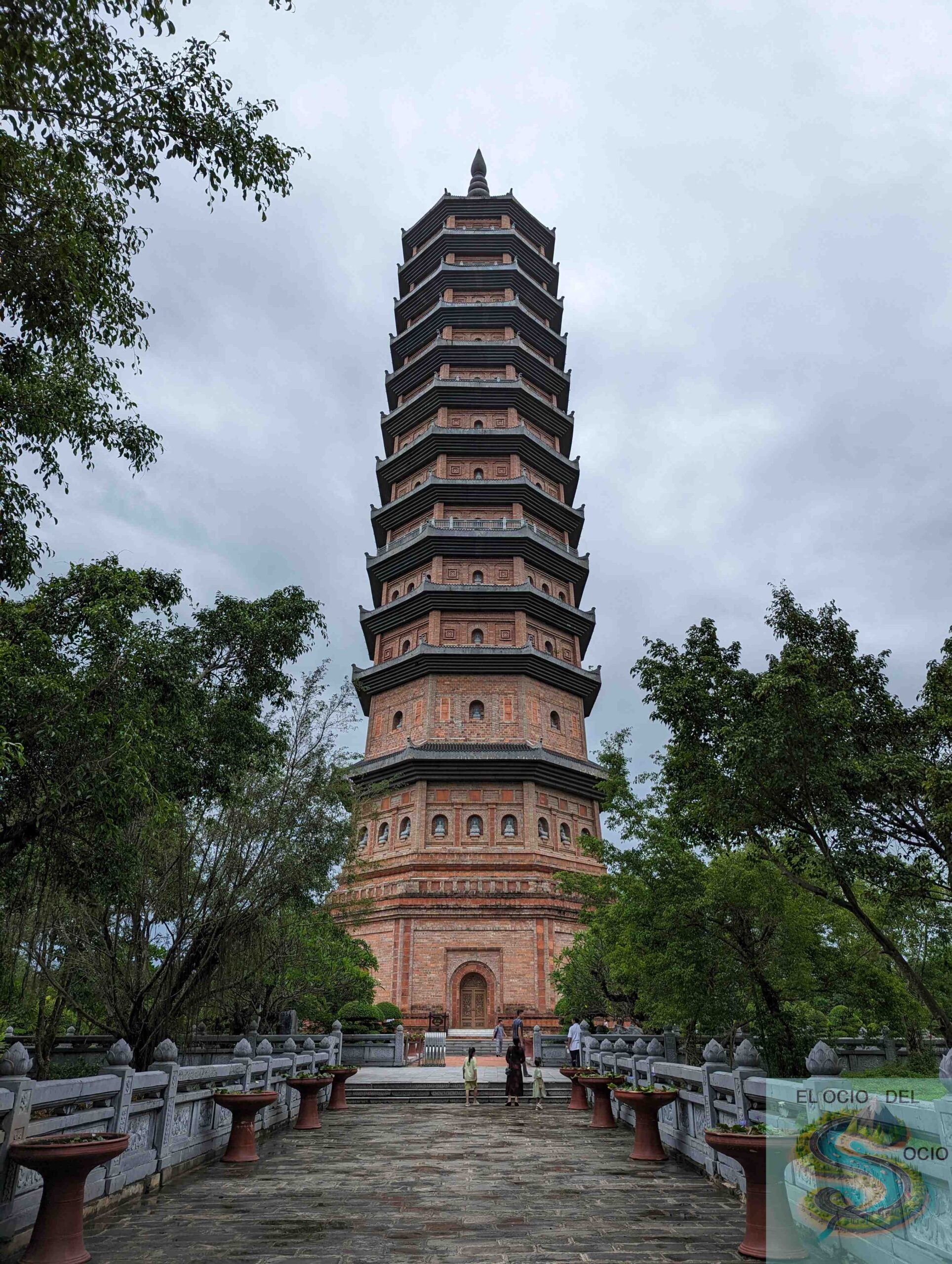
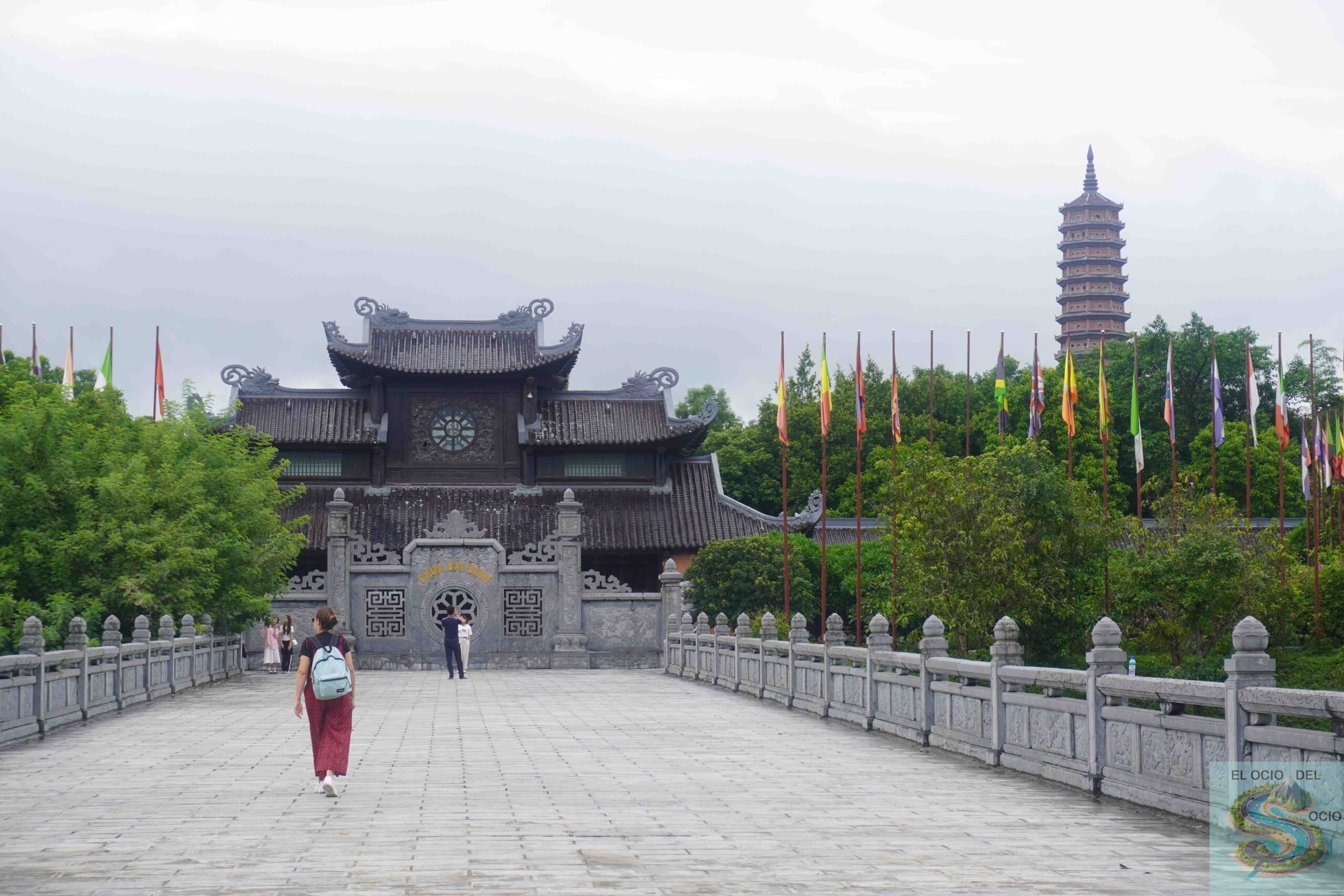
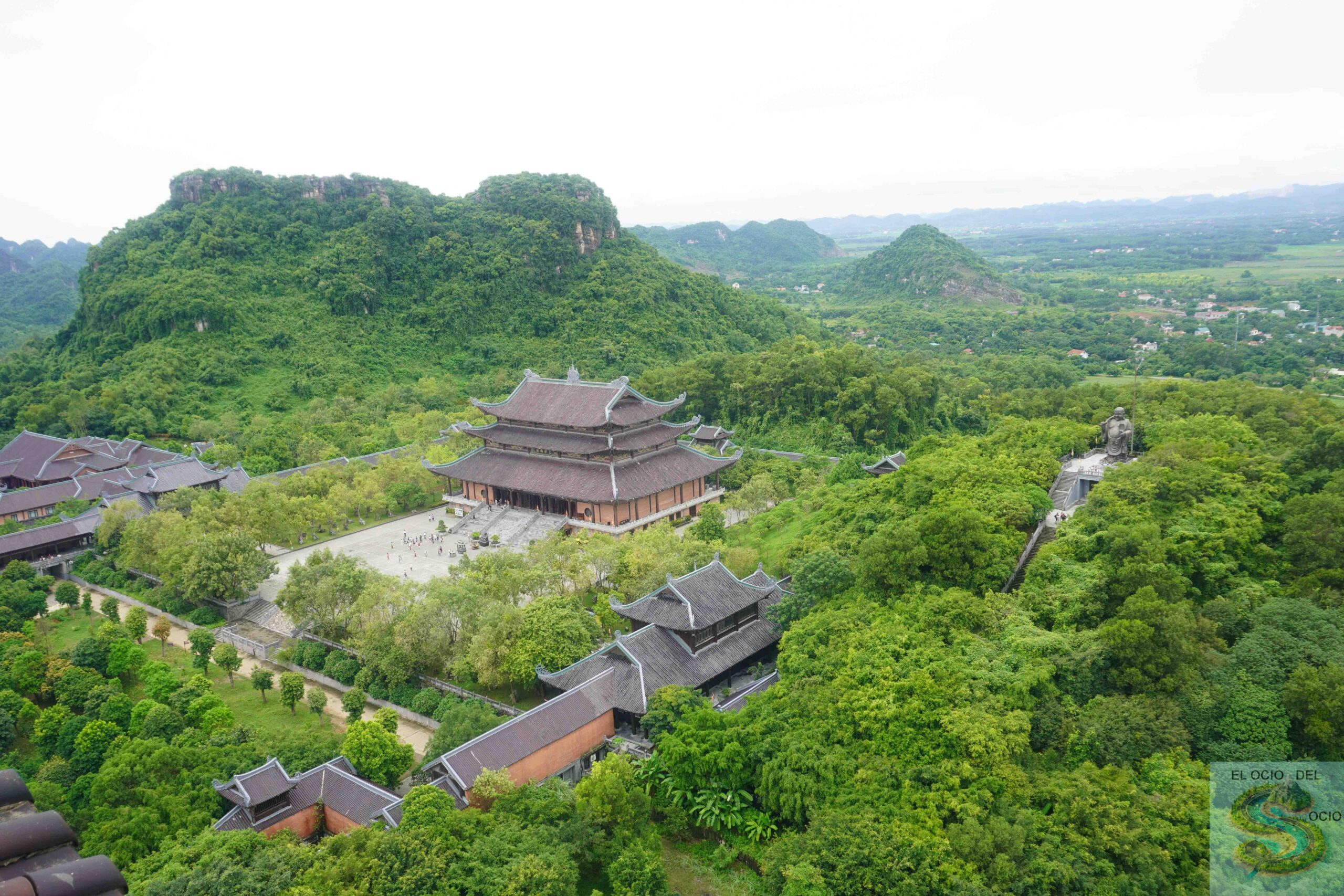
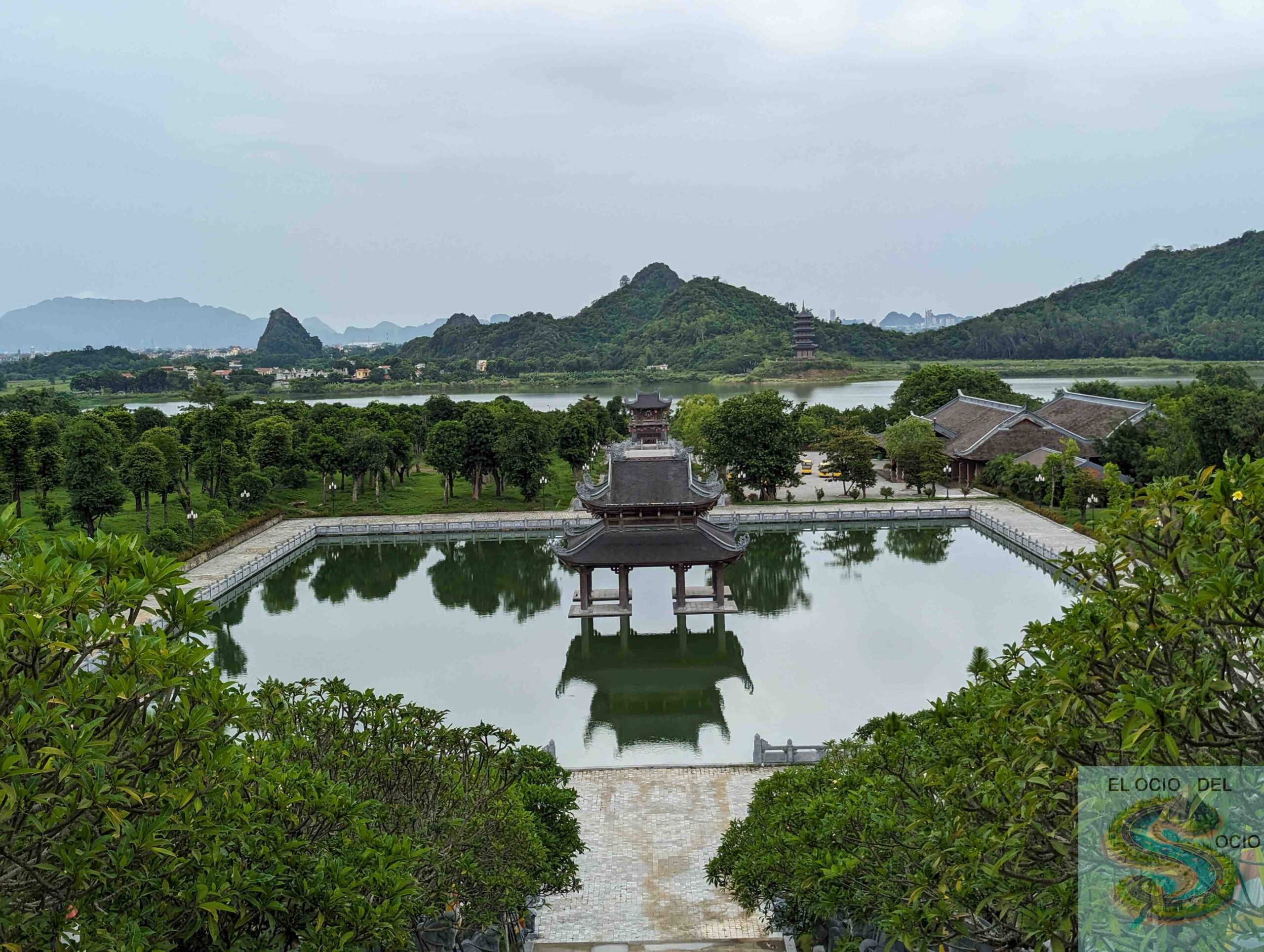
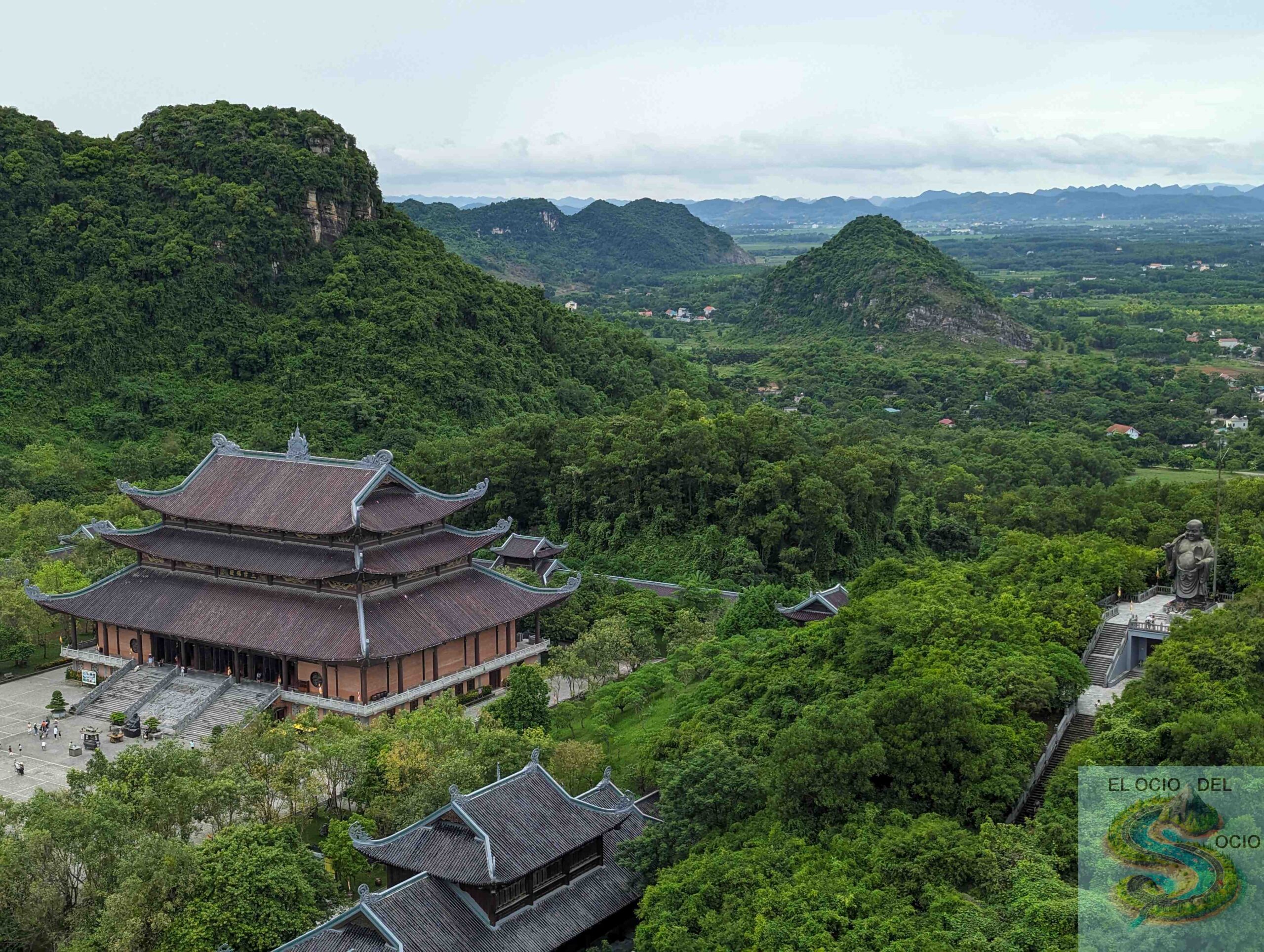
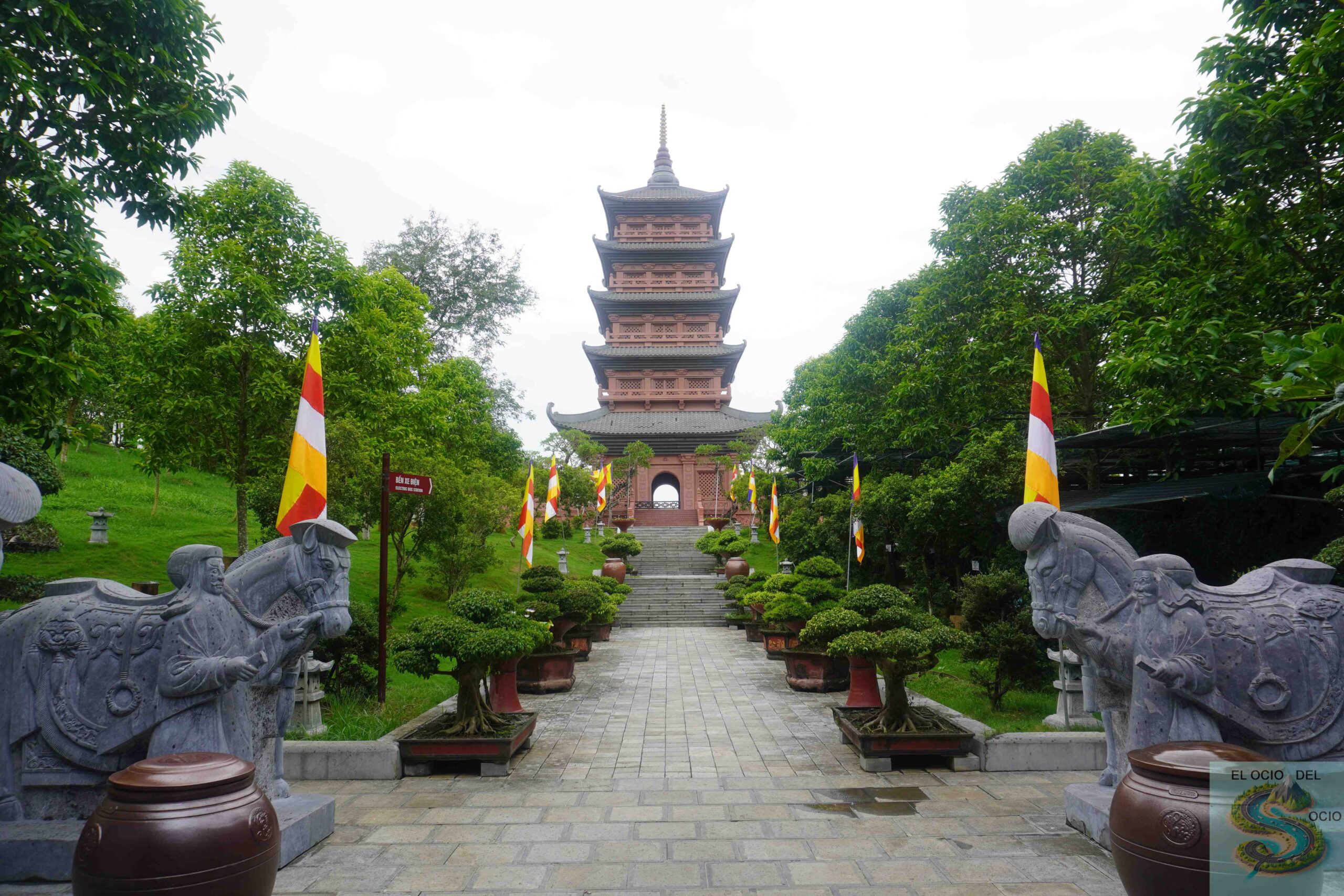
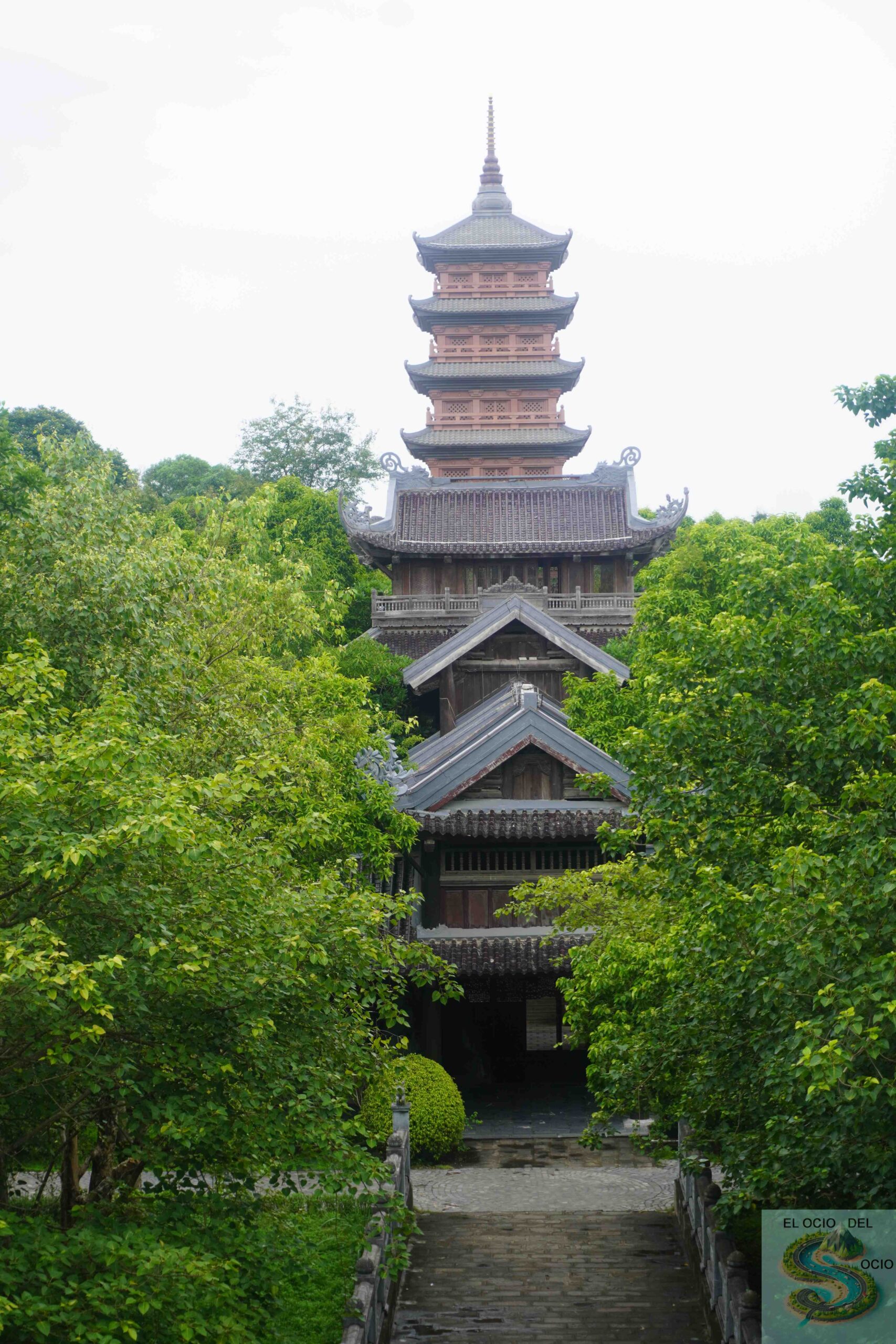
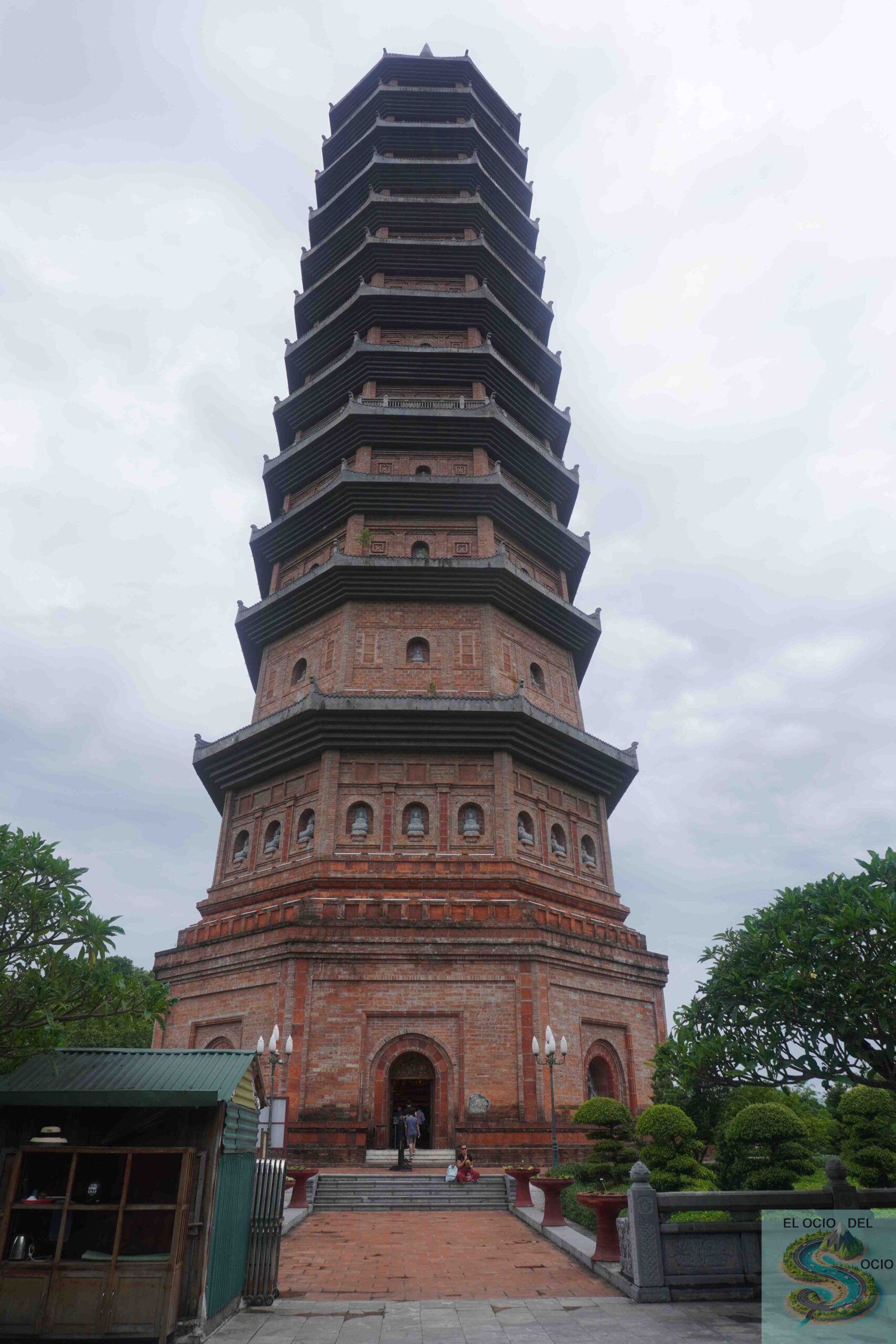
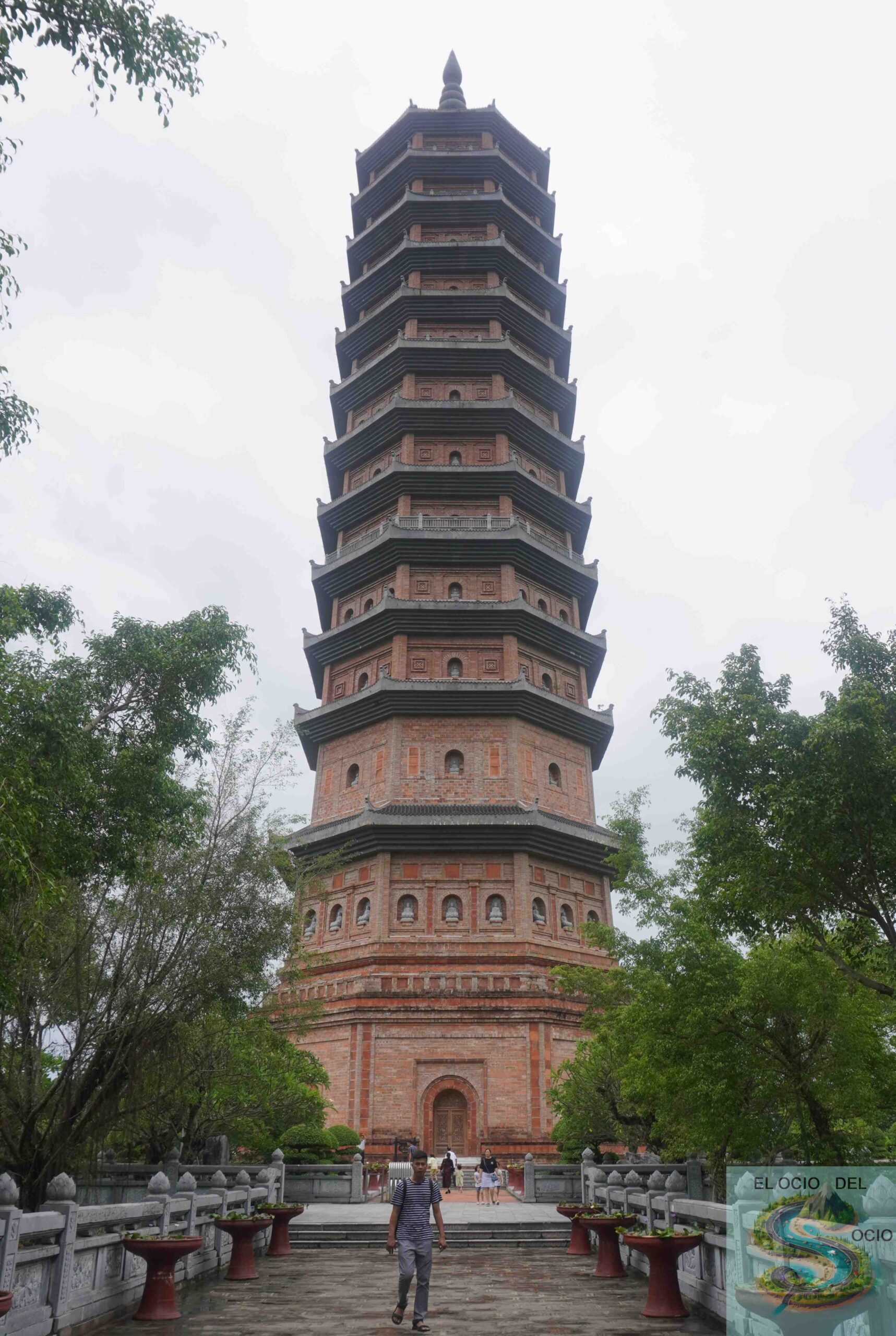
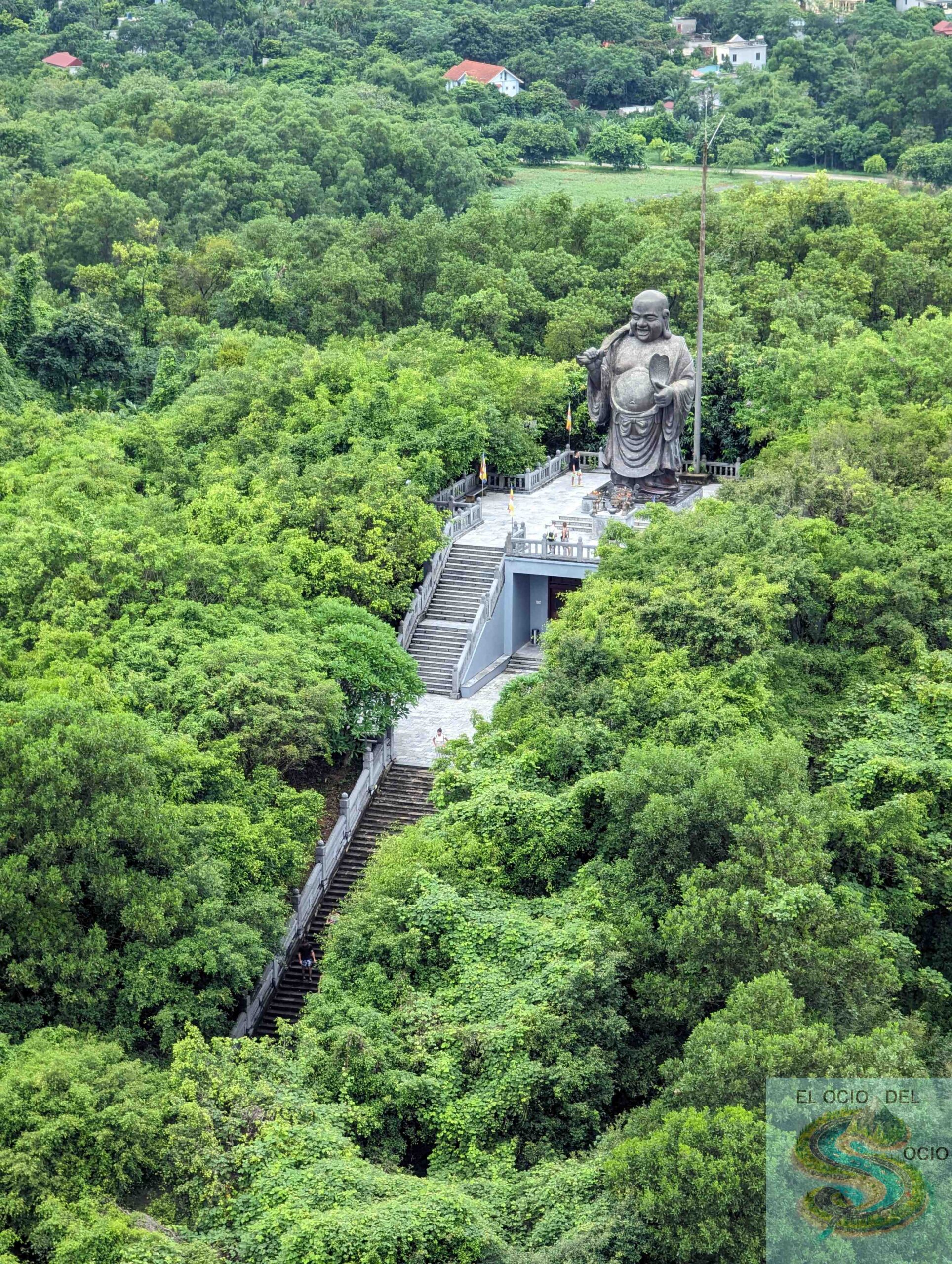
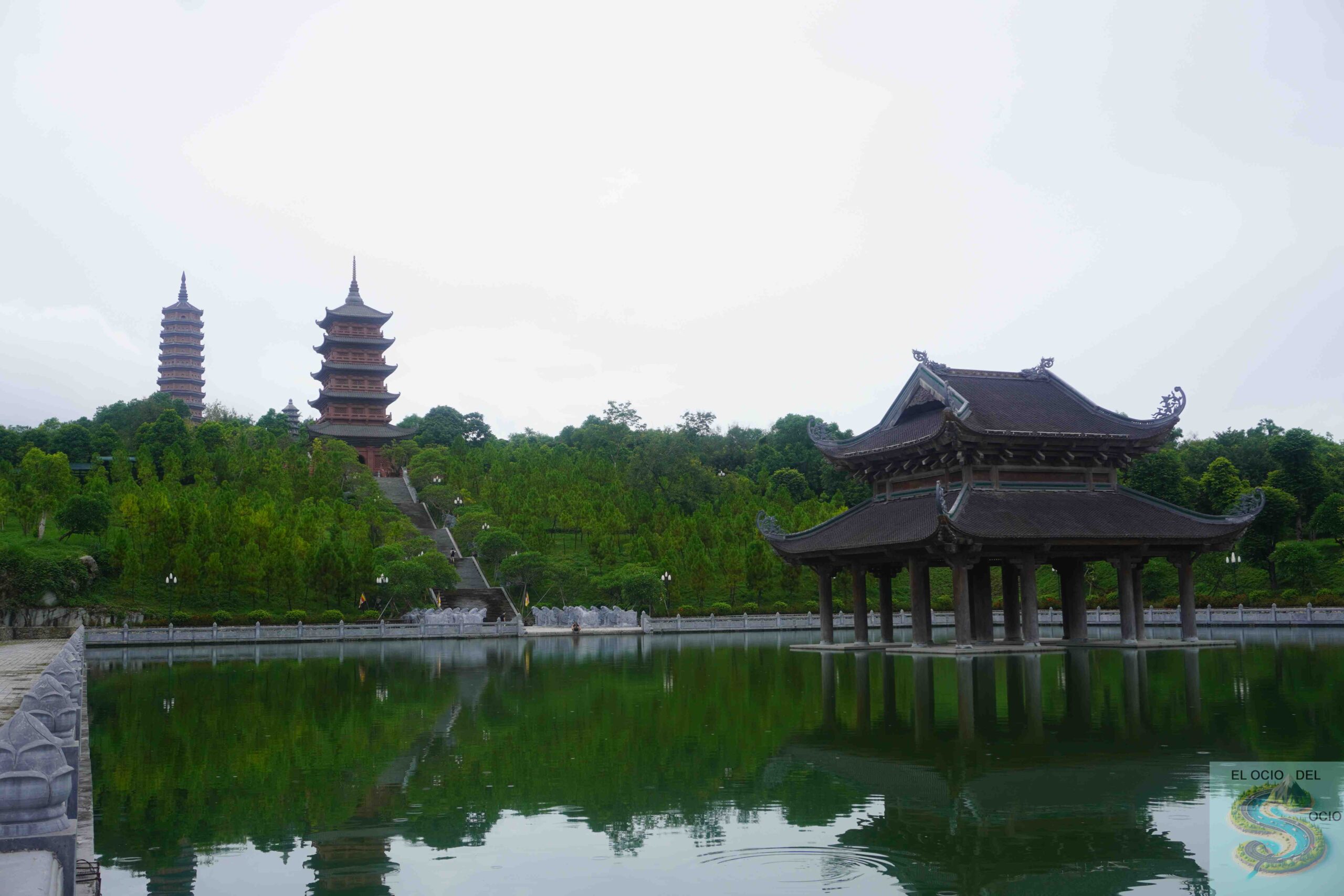
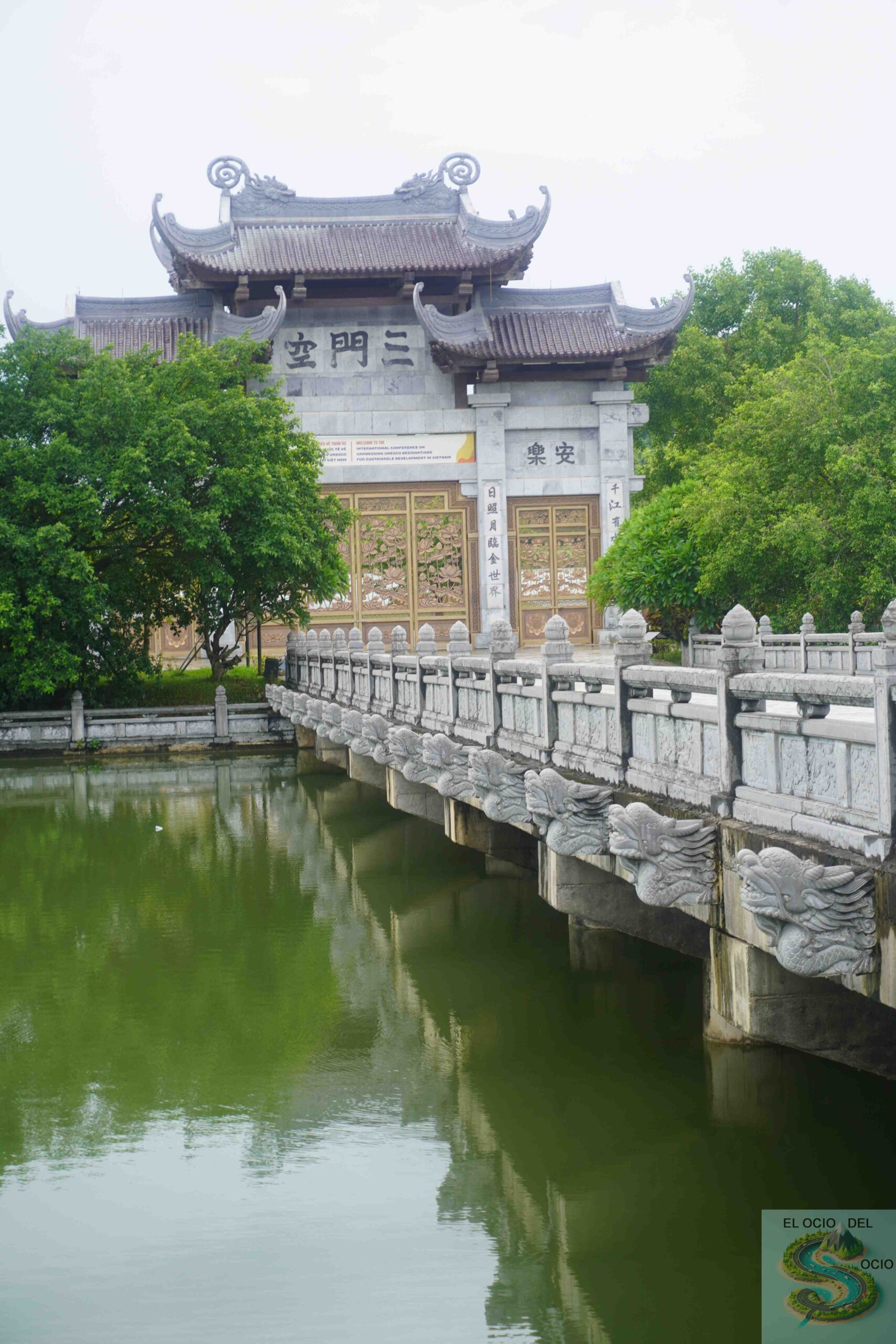
For those who want to know the contemporary spiritual side of Vietnam, theBai Dinh Buddhist ComplexIt is a mandatory stop. It is the largest Buddhist temple in Southeast Asia.
Since the internal distances are enormous, it is highly recommended to pay for the electric cart service (xe điện) for around 60,000 VND to move between the colossal structures. Here you can see an imposing 13-story pagoda, endless corridors with more than 500 stone statues of Arhats and a giant gilded bronze Buddha that impresses with its dimensions.
Van Long Nature Reserve: An alternative to peace
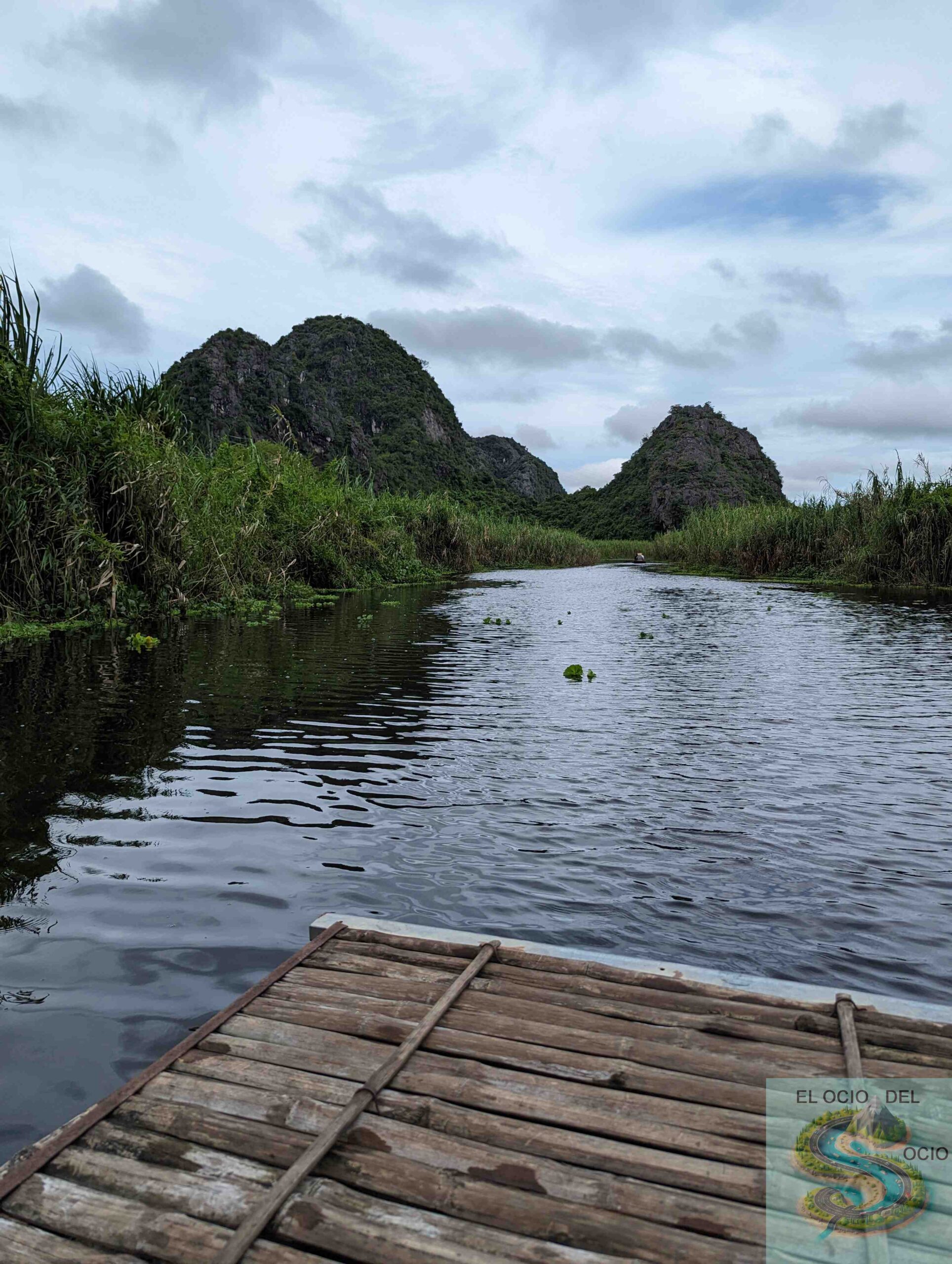
If you are looking to completely escape mass tourism, replace or complement your route withVan Long Nature Reserve. This protected wetland stands out for its stagnant waters that act as a perfect mirror of the sky and the limestone mountains. The bamboo boat ride costs around 100,000 VND per couple and is the perfect setting to enjoy a sunset in absolute silence, with the possibility of spotting the Delacour langur, a species of monkey in serious danger of extinction.
Local gastronomy: The traveler’s fuel
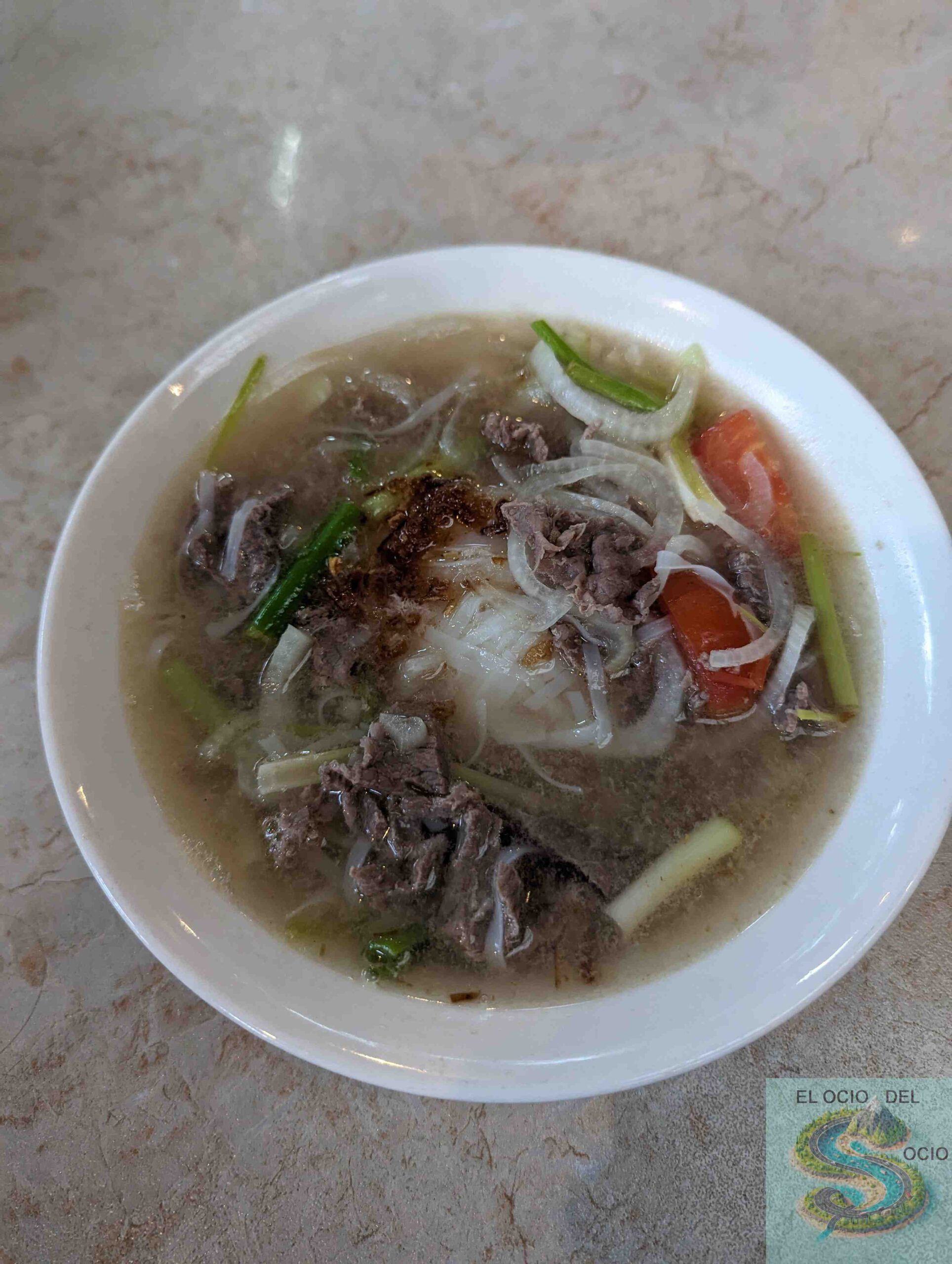
After a long day exploring caves and climbing steps, Vietnamese cuisine is the best restorative. Although Ninh Binh is famous for its mountain goat meat dishes (Thit De), you can’t leave without trying a comforting bowl ofPho Bo(rice noodle soup with beef and aromatic herbs), the national dish par excellence that is masterfully prepared in the local stalls of Tam Coc.
If you want to know what else to visit in Vietnam, don’t hesitate to stay tuned for future posts on my blog!