
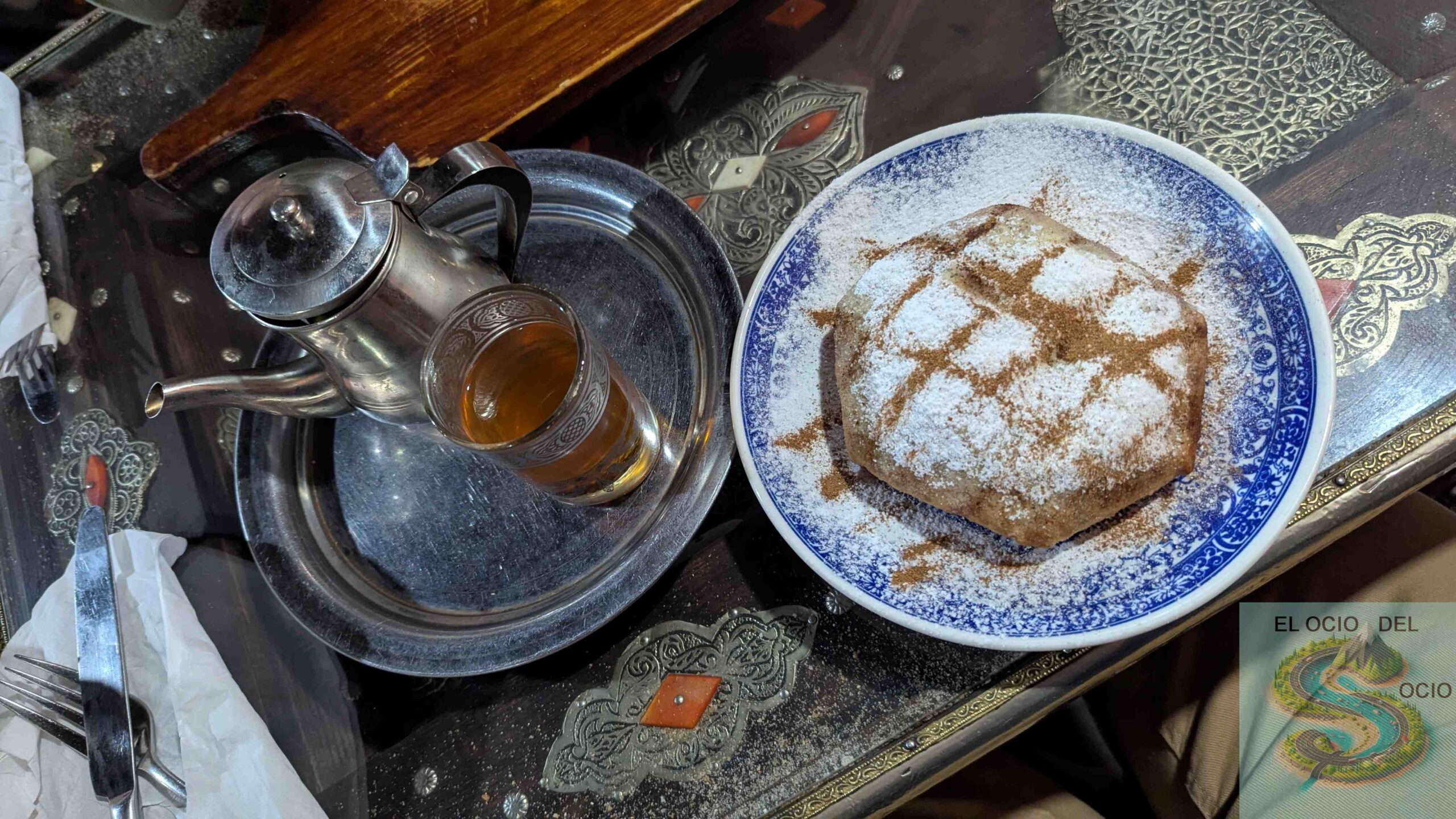

Located on the banks of the idyllic Perfume River, Hue is the historical, cultural and spiritual heart of Vietnam. Former capital of the country during the Nguyen dynasty (between 1802 and 1945), this jewel declared a World Heritage Site by UNESCO preserves the nostalgic air of the empire intact. If you are planning your route through Vietnam from north to south, a trip to Hue is a mandatory two-day stop that serves as the perfect bridge between the wild nature of Phong Nha and the coastal magic of Hoi An.
In this post, you can see the definitive guide so you can discover what to see in Hue, optimizing your time and capturing the best snapshots of this unforgettable trip.
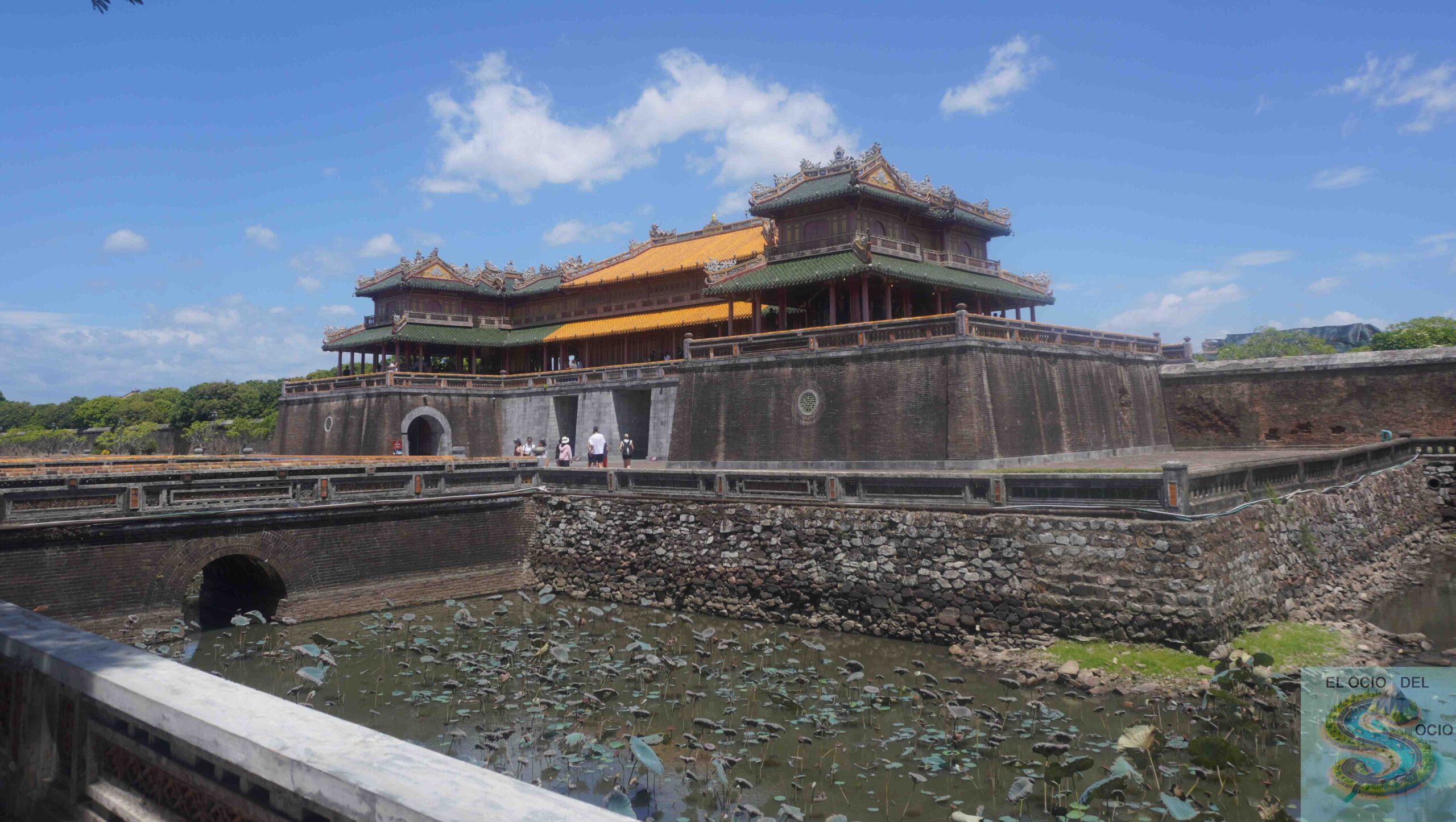
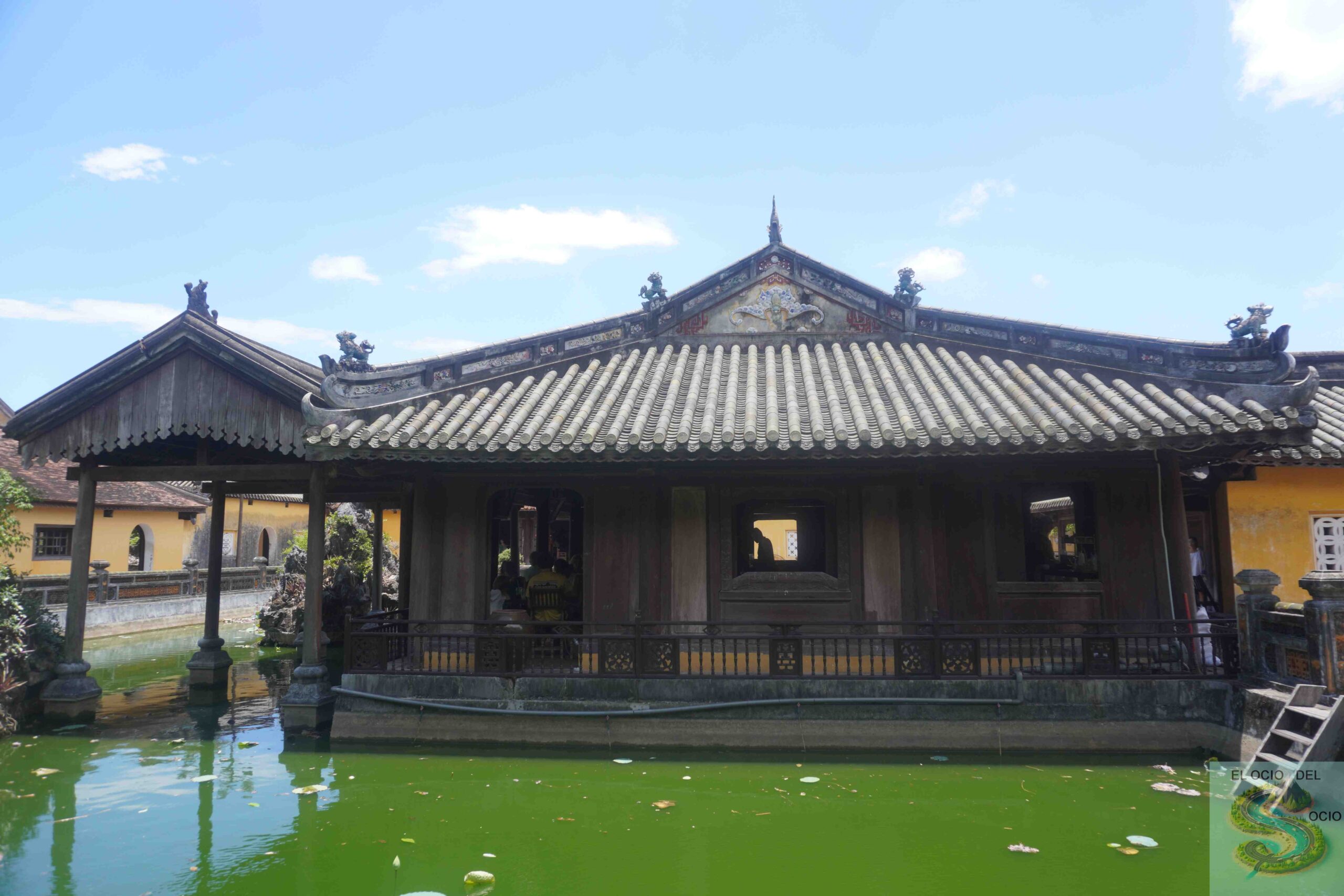
The Imperial Citadel of Hue: The heart of the Nguyen Empire
The Citadel (or Kinh Thanh) is the most imposing monument in the city. Surrounded by enormous water moats and walls with a perimeter of ten kilometers, inside it houses the Imperial City and the Forbidden Purple City, a space that was once reserved exclusively for the emperor, his family and his concubines.
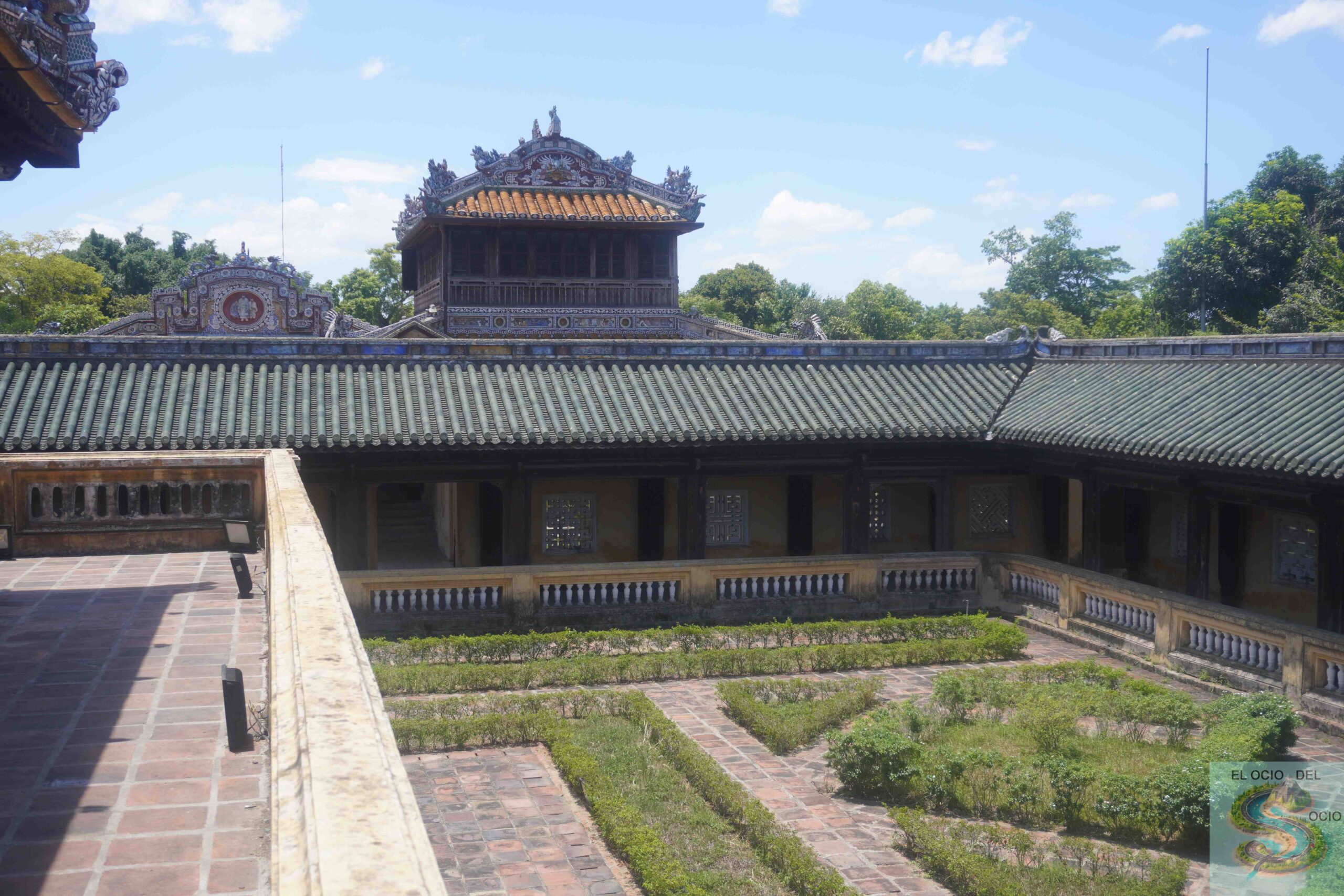
To tour it you will need at least 3 hours. We suggest you enter through the impressive Midi Gate (Southern Gate) and go directly to the Thai Hoa Palace (Palace of Supreme Harmony), where the great official receptions were held. Don’t miss the Dien Tho Palace, residence of the queen mothers, and the majestic Hall of the Mandarins, with its intense red and gold tones.
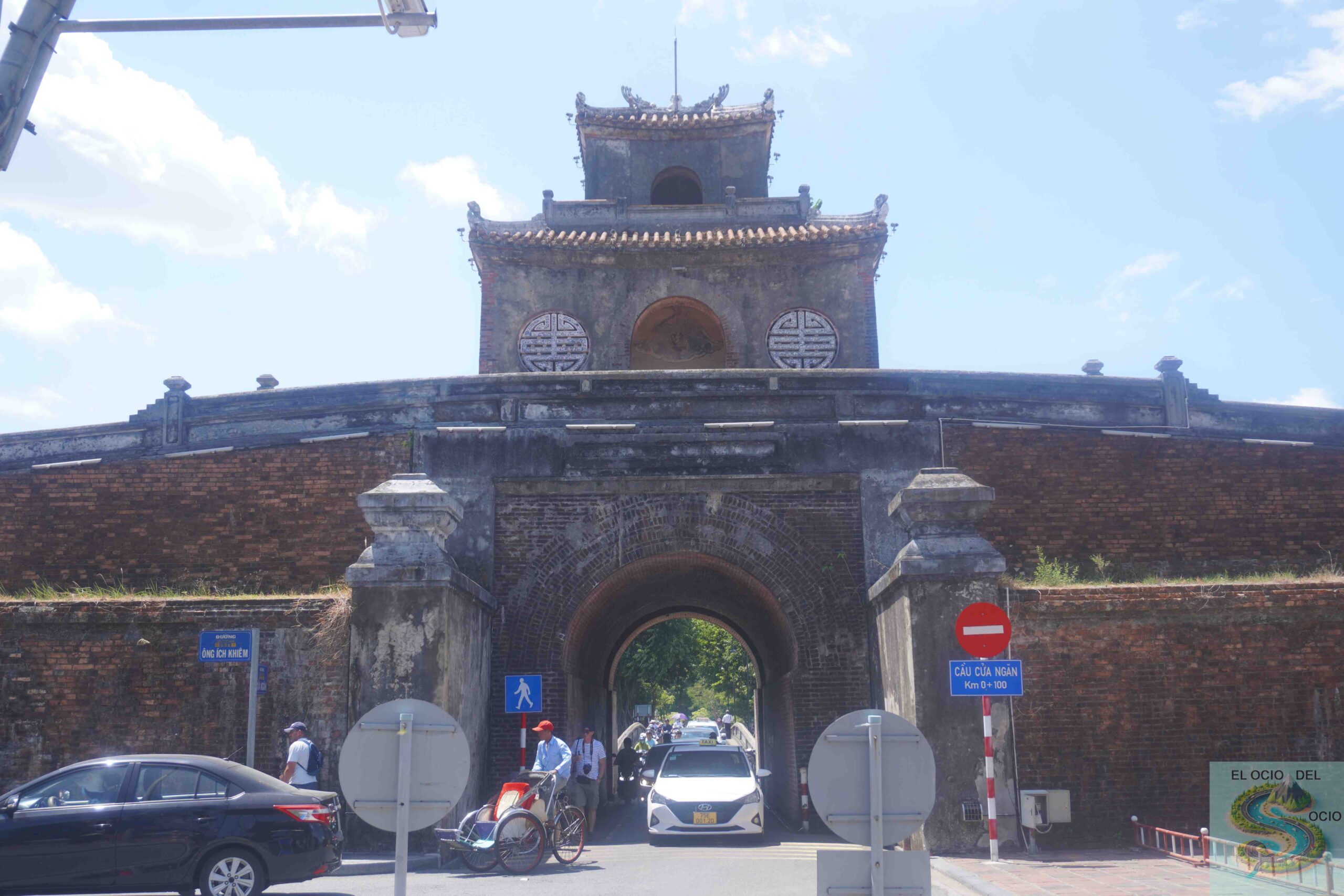
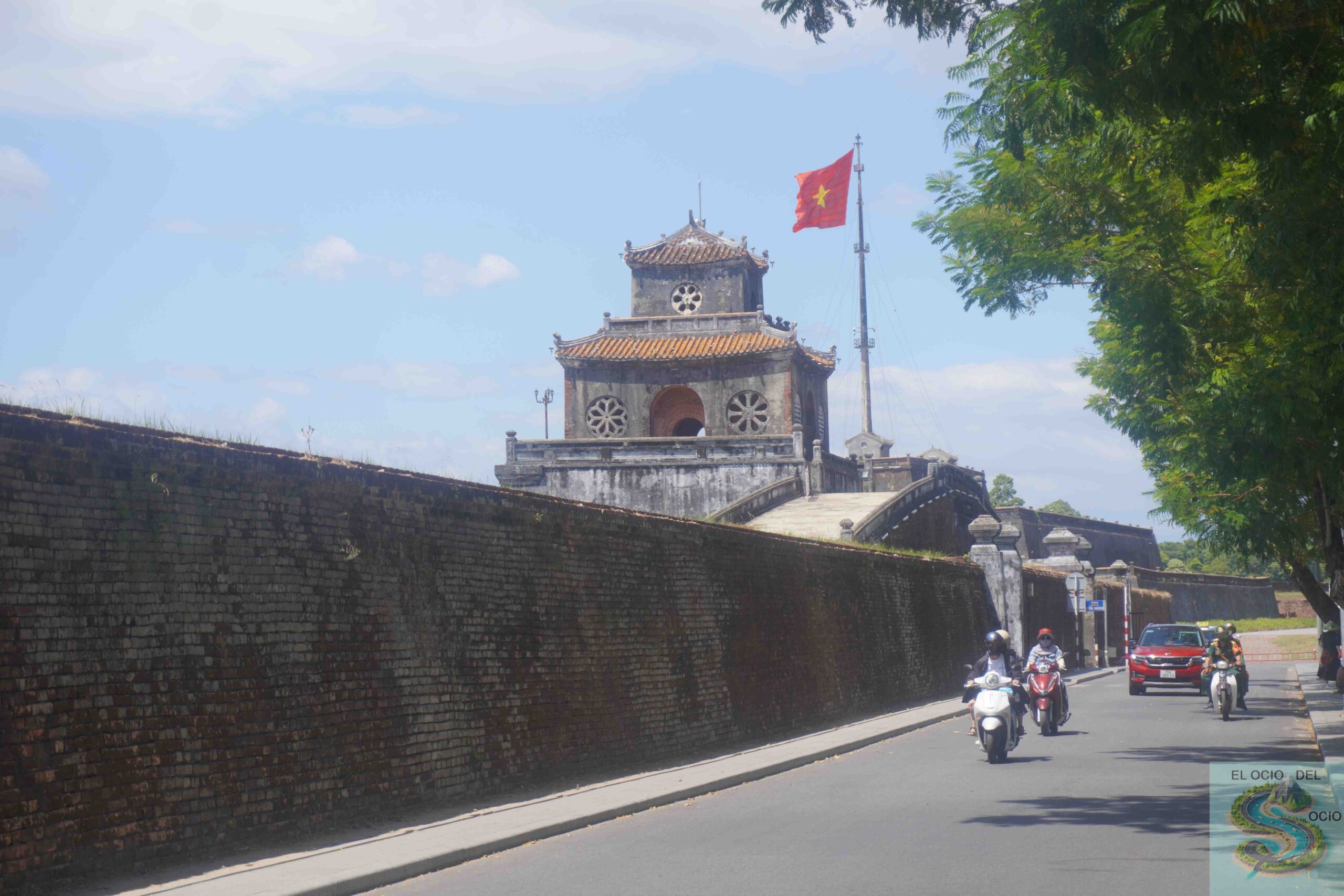
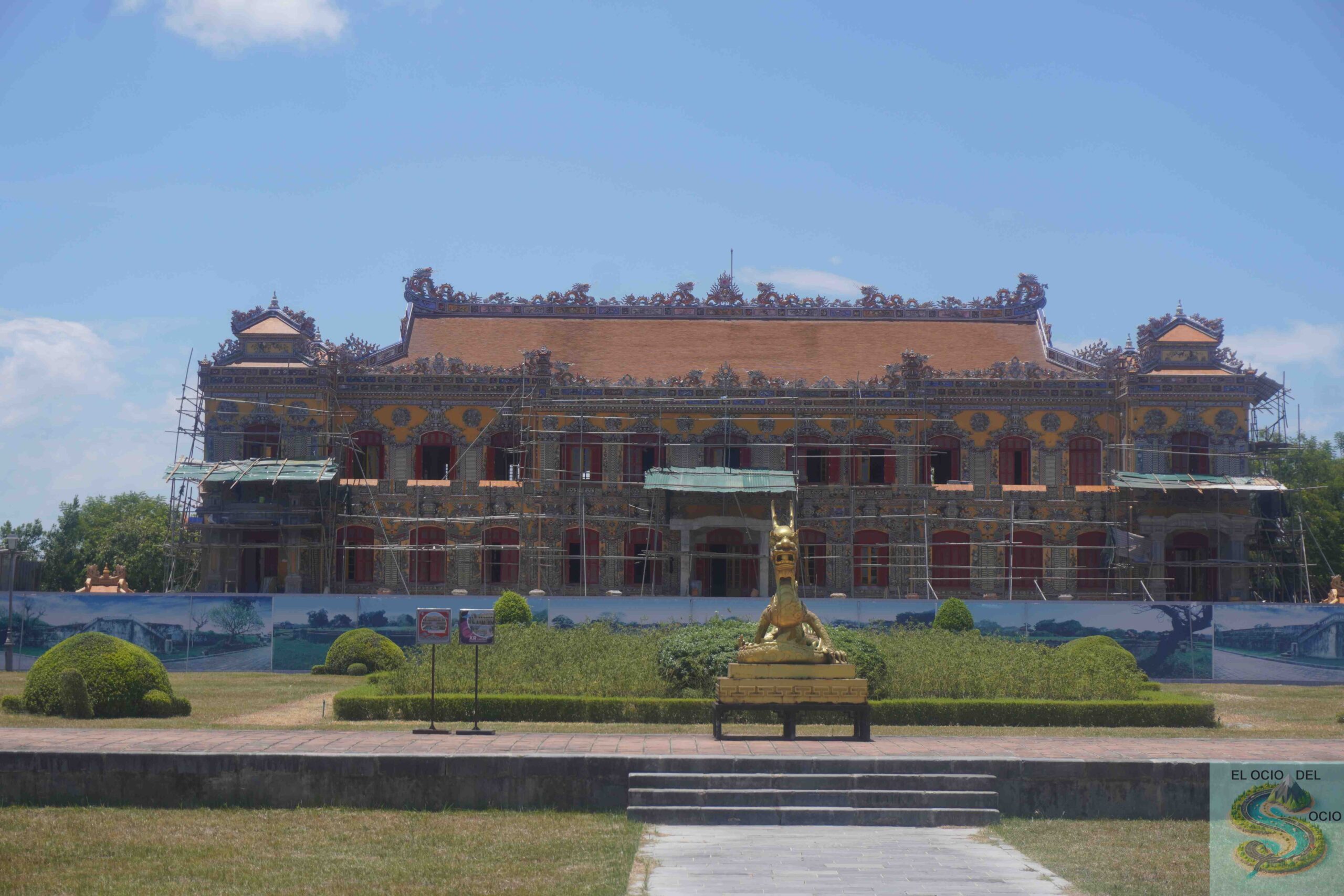
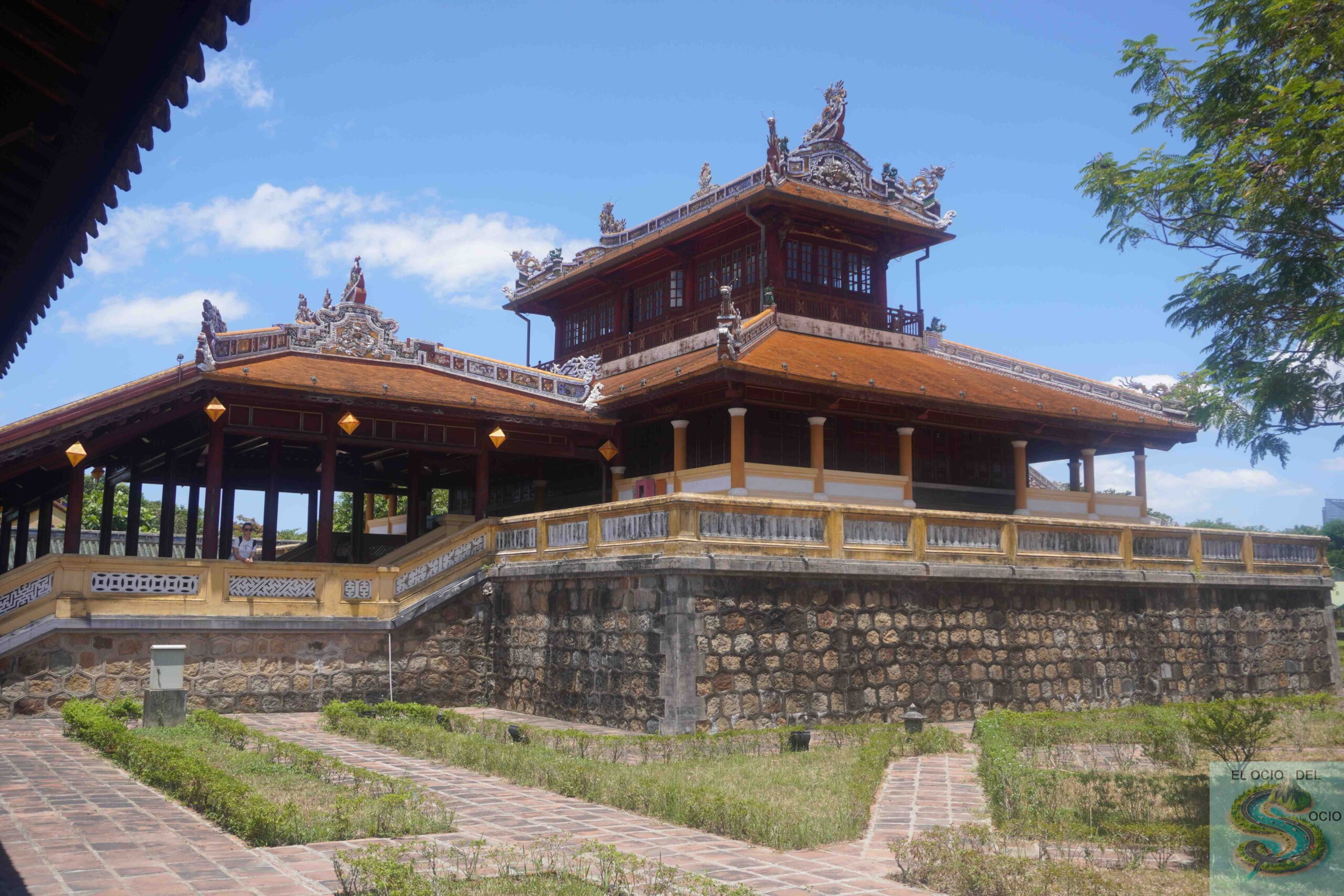
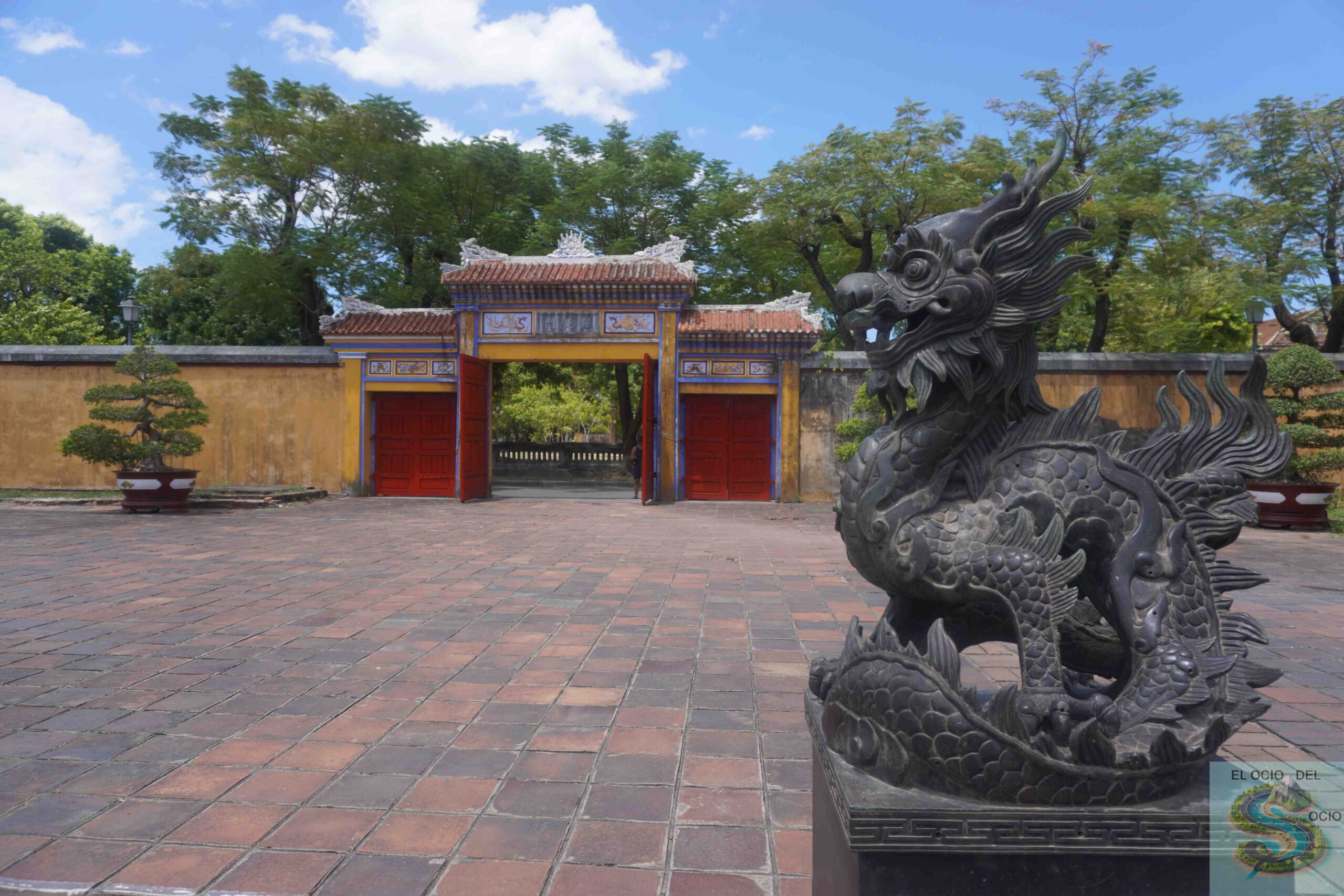
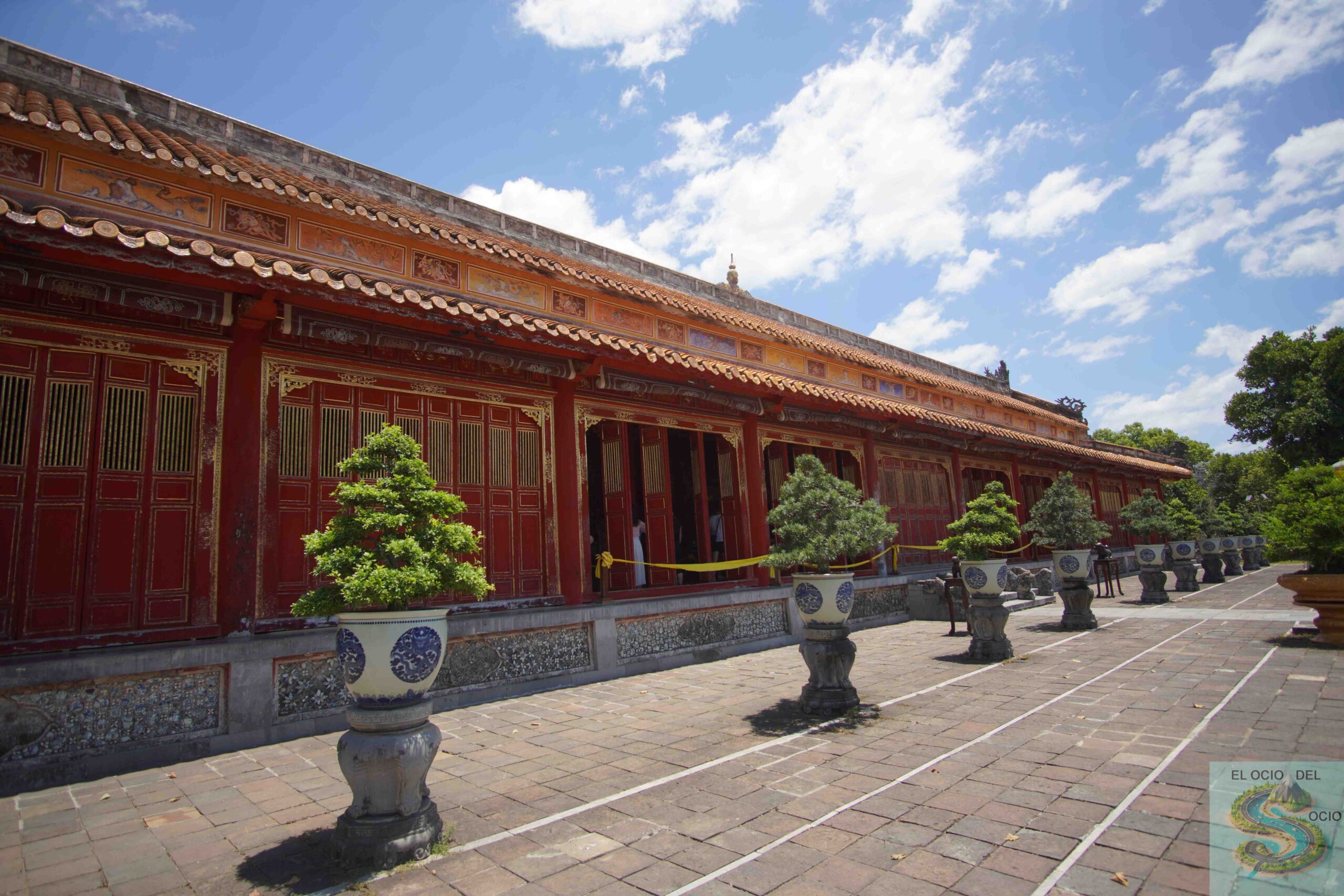
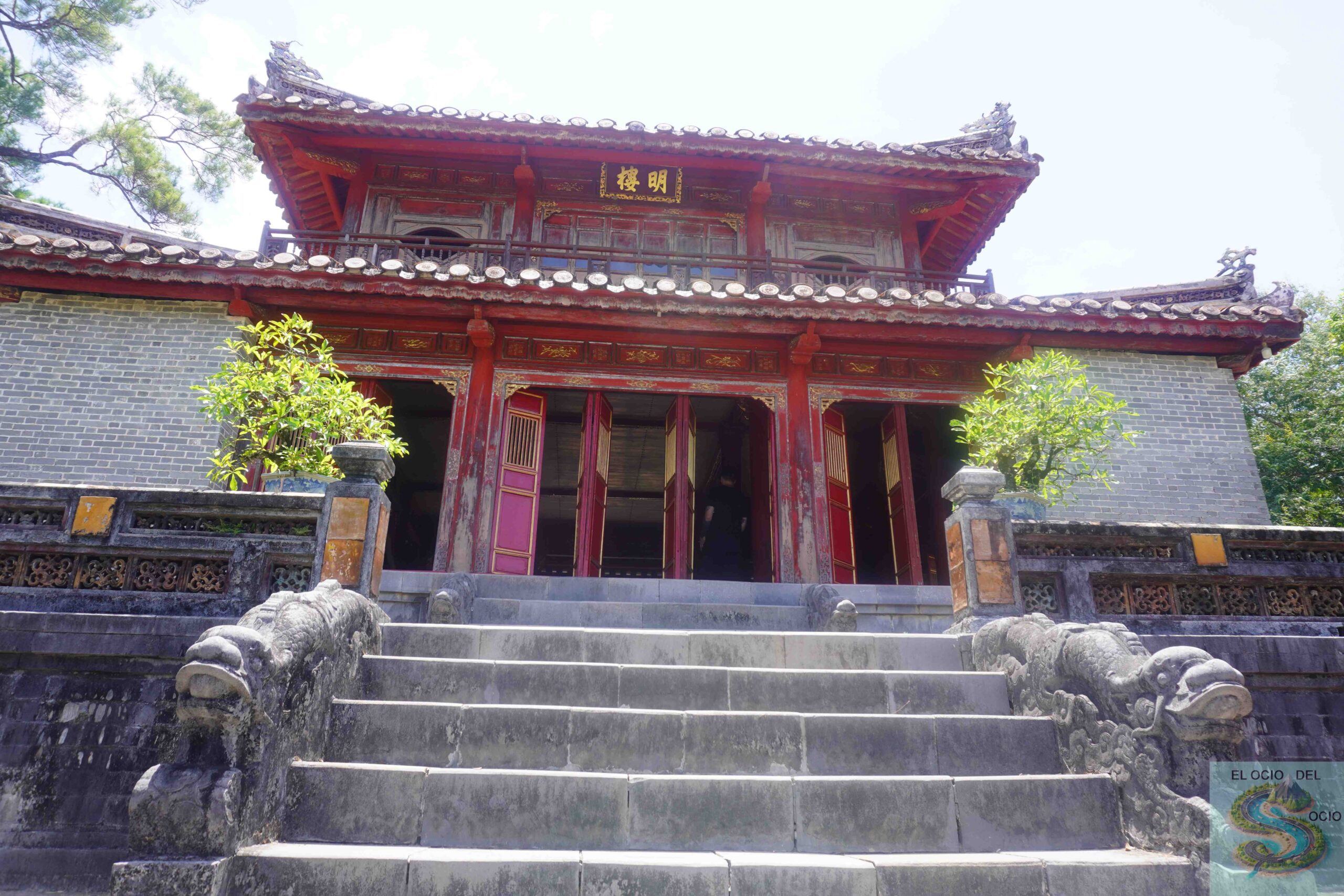
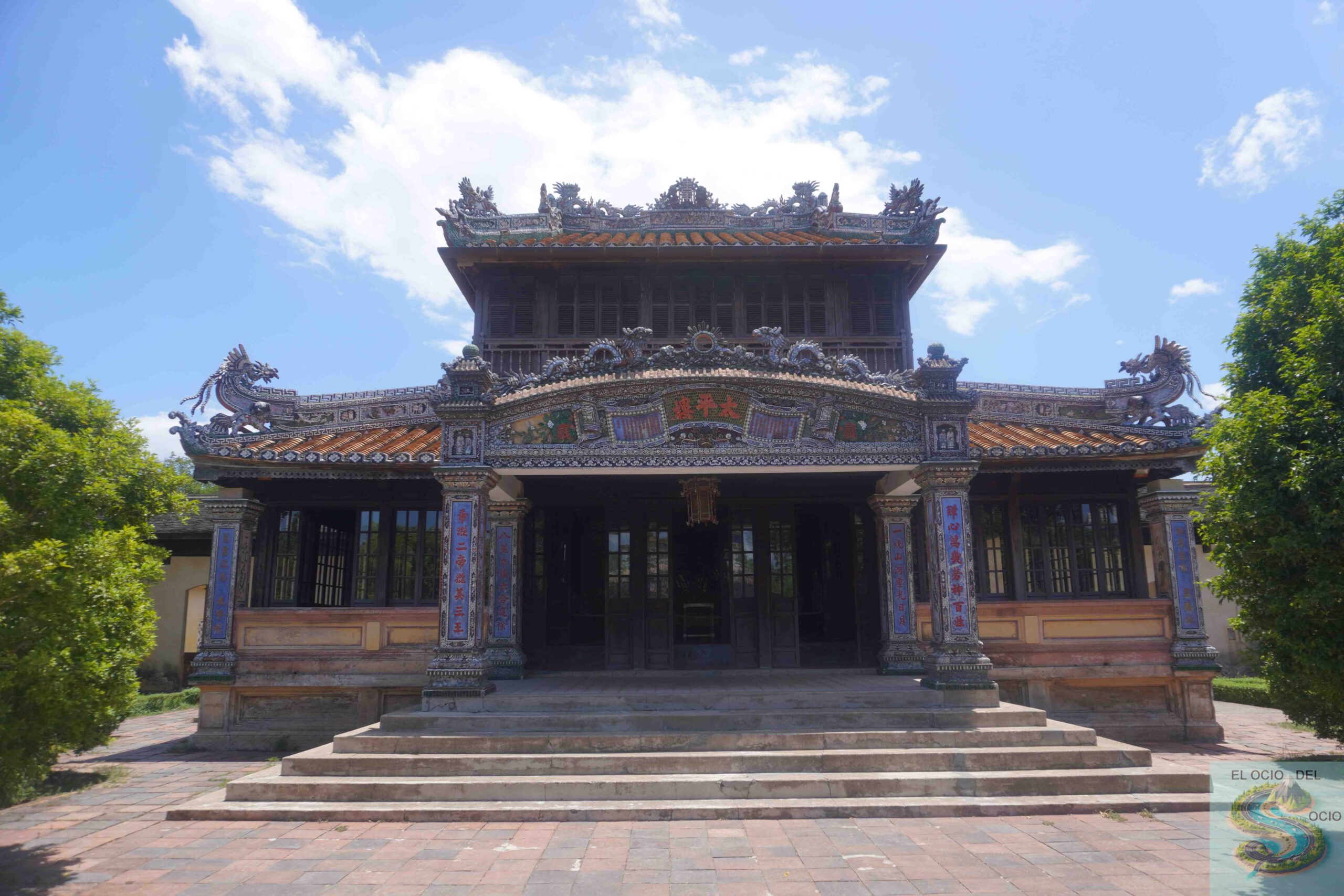
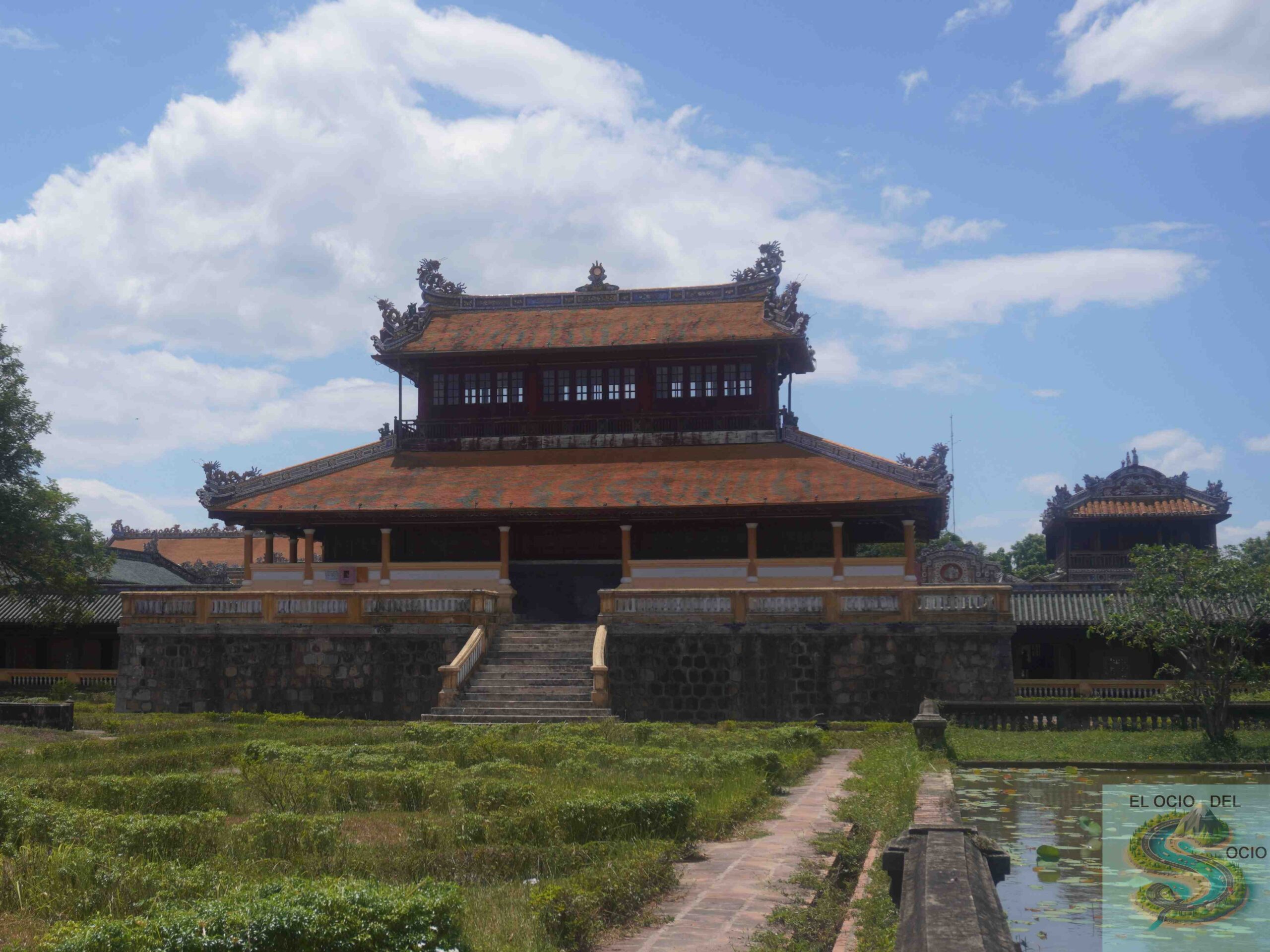
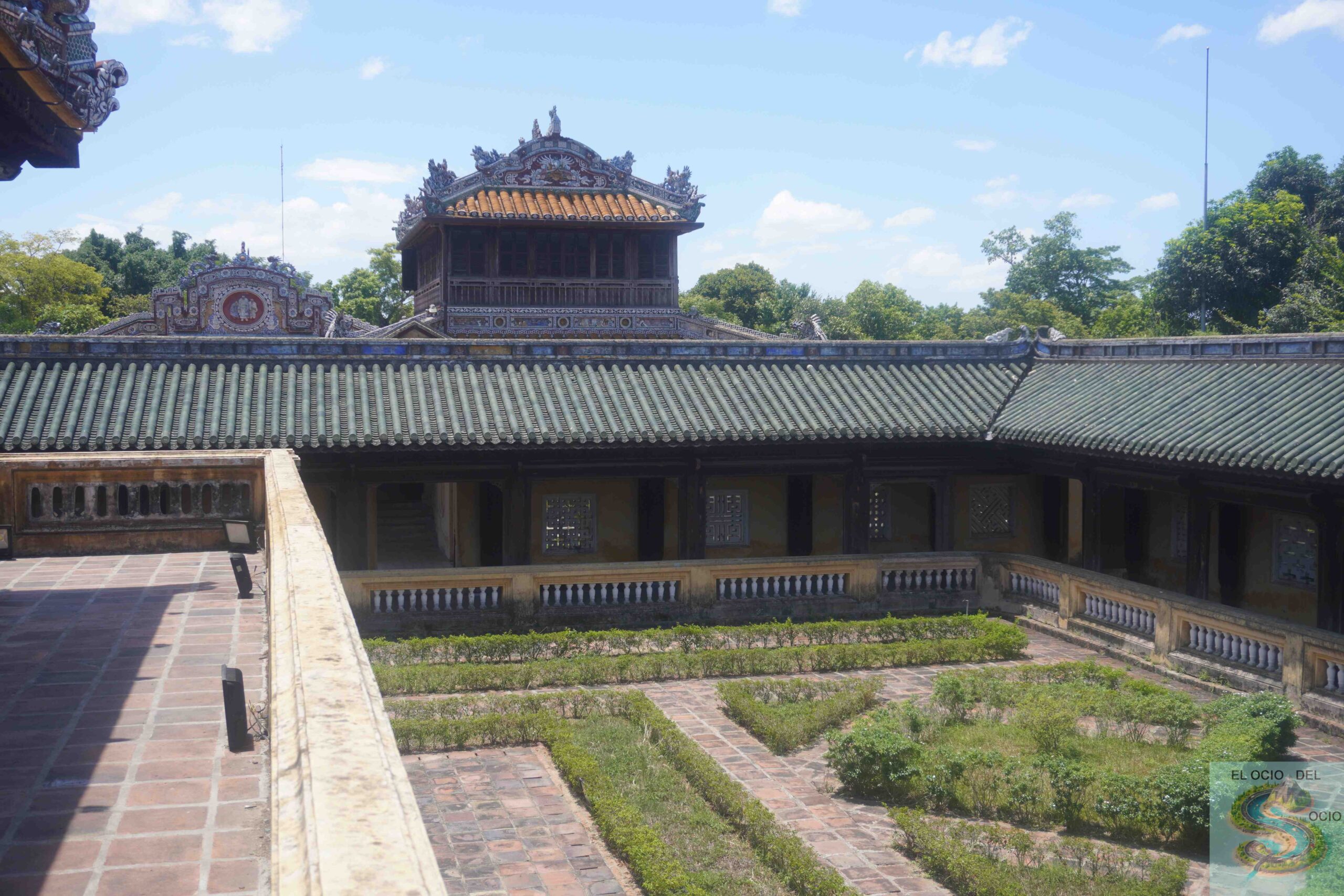
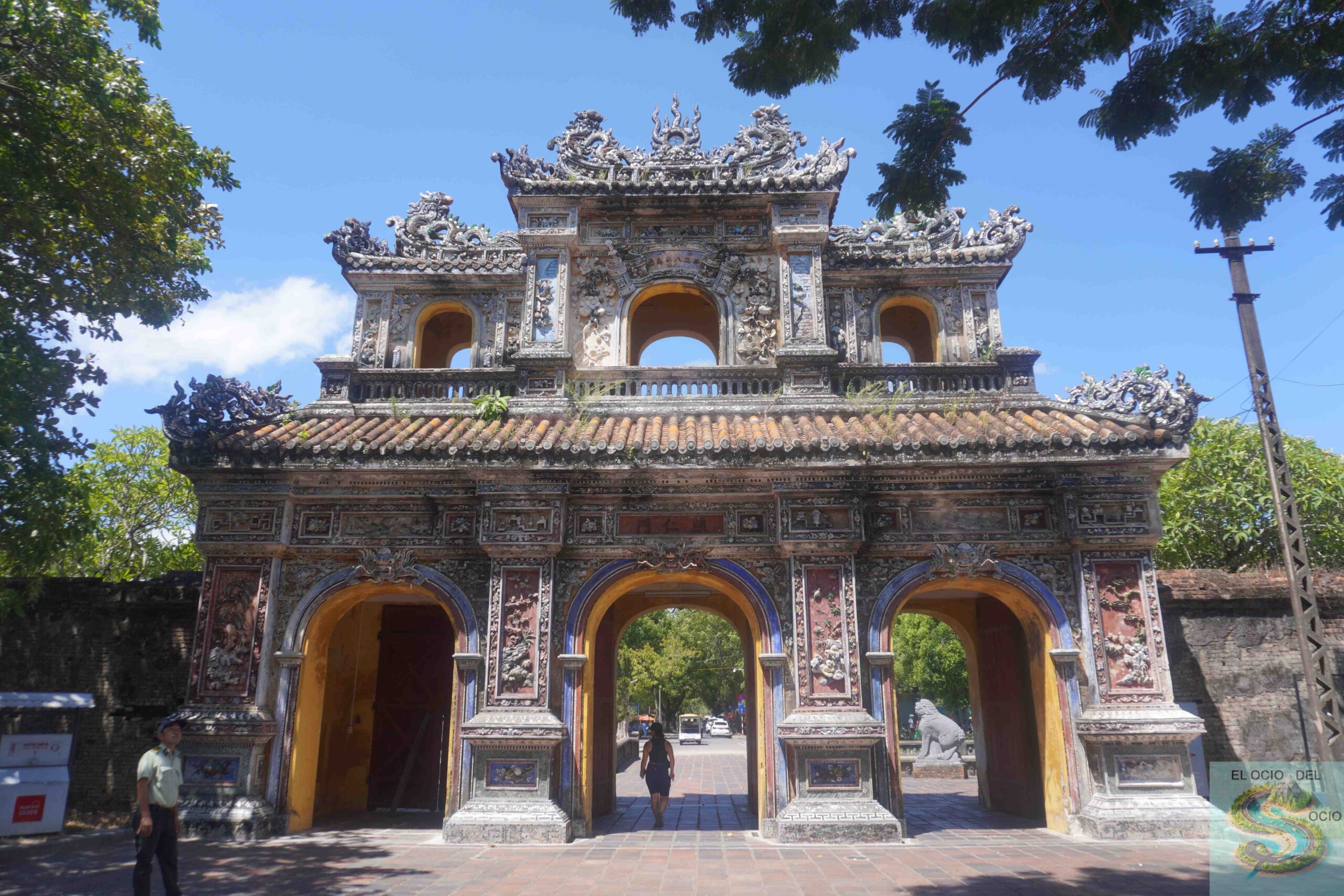
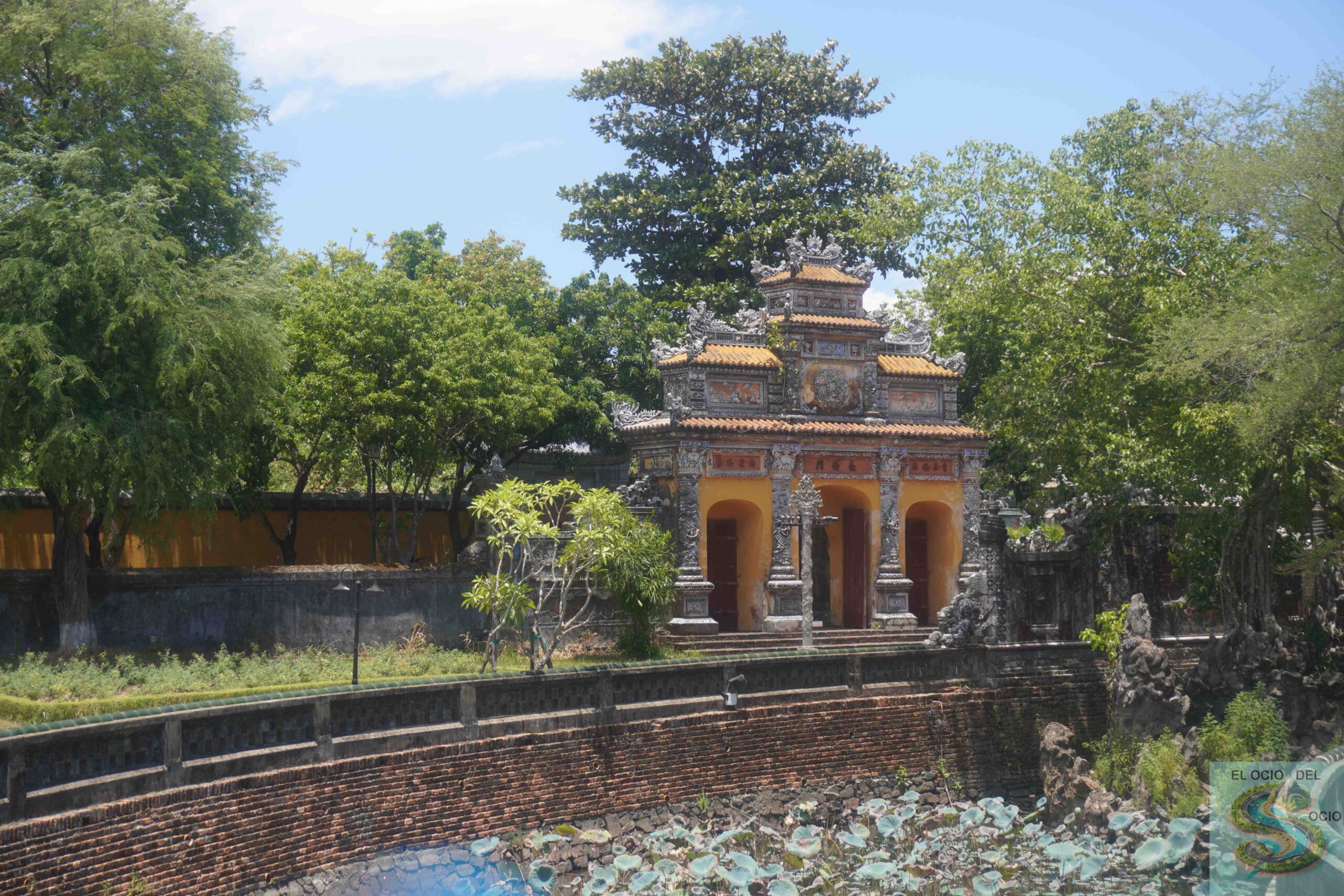
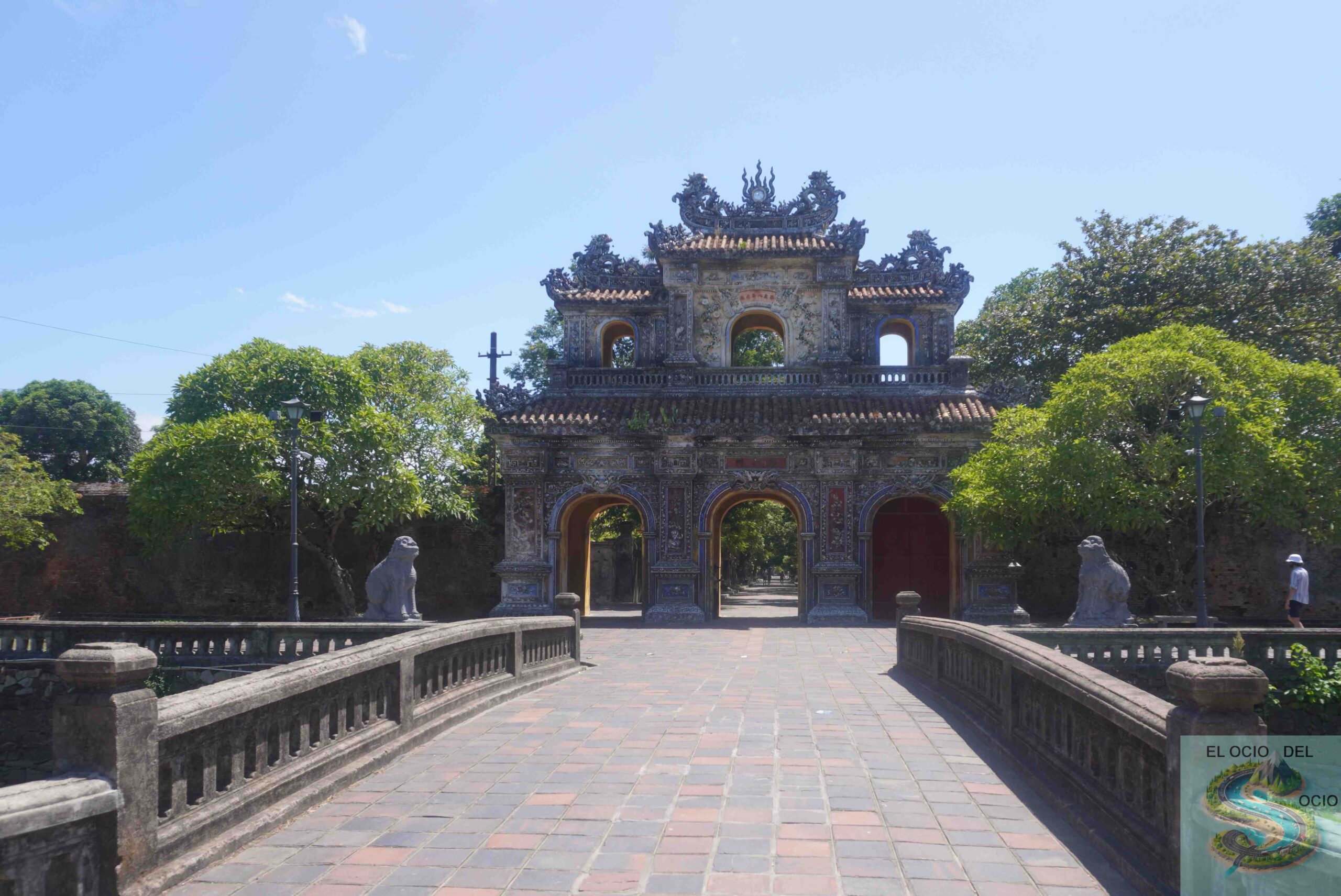
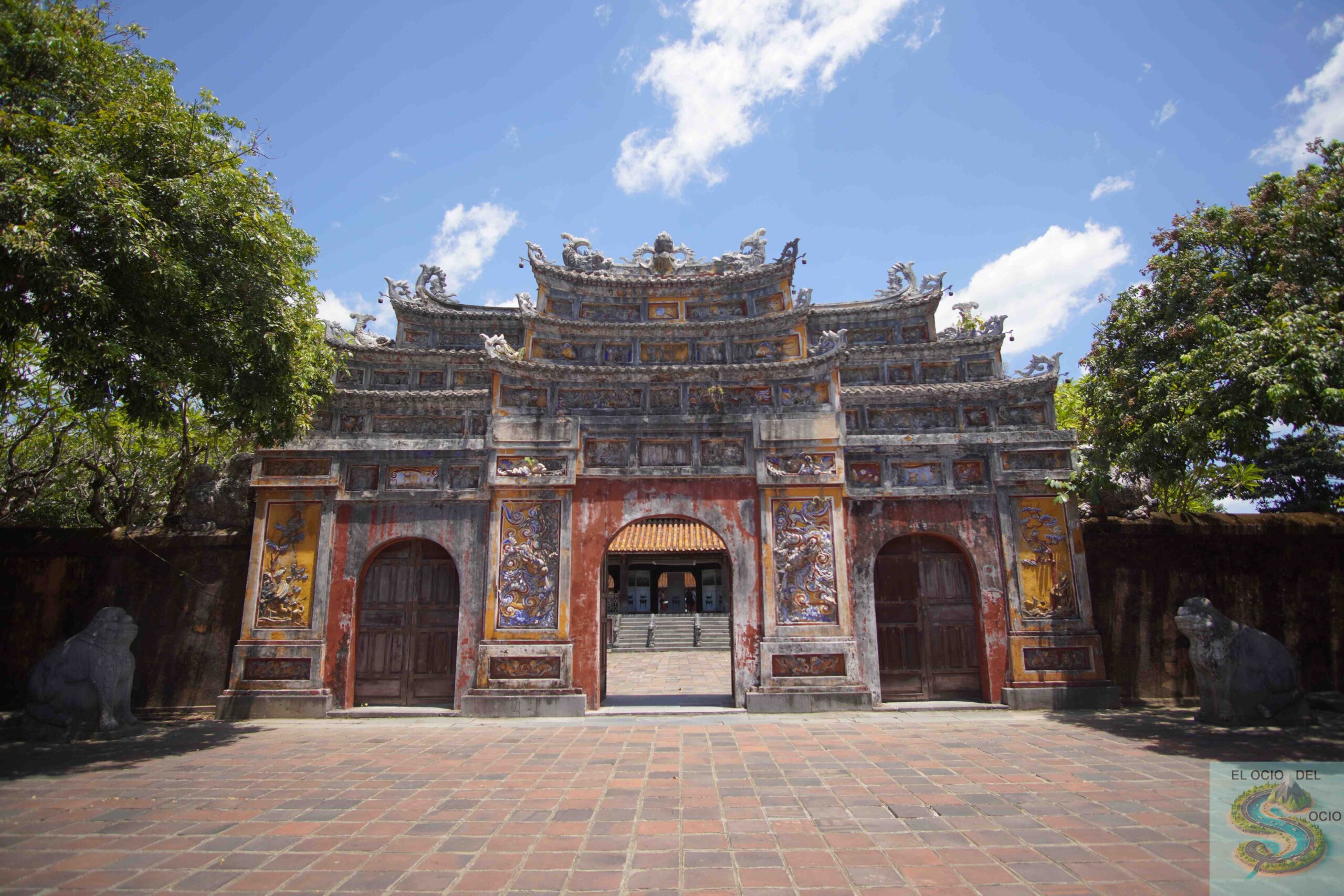
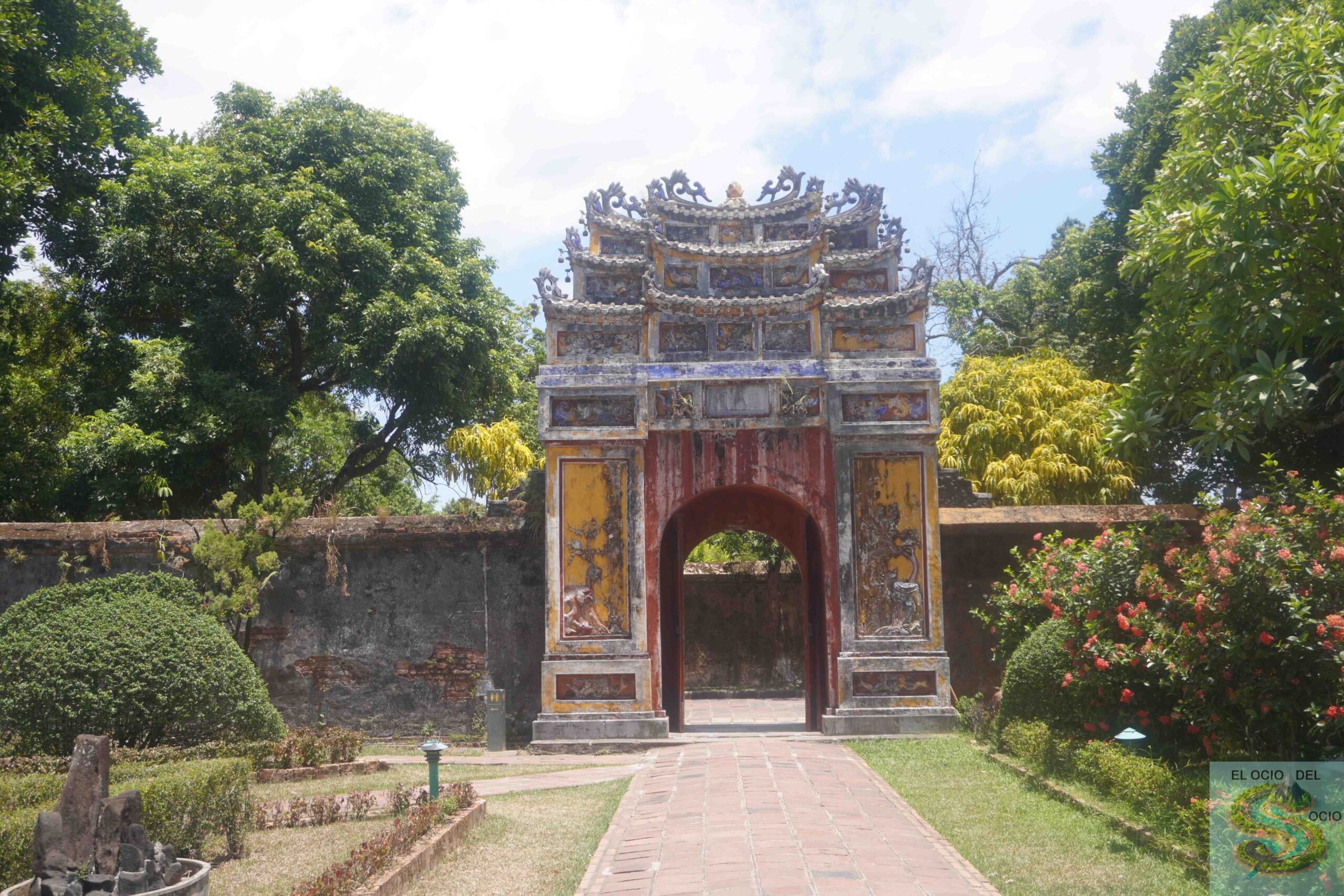
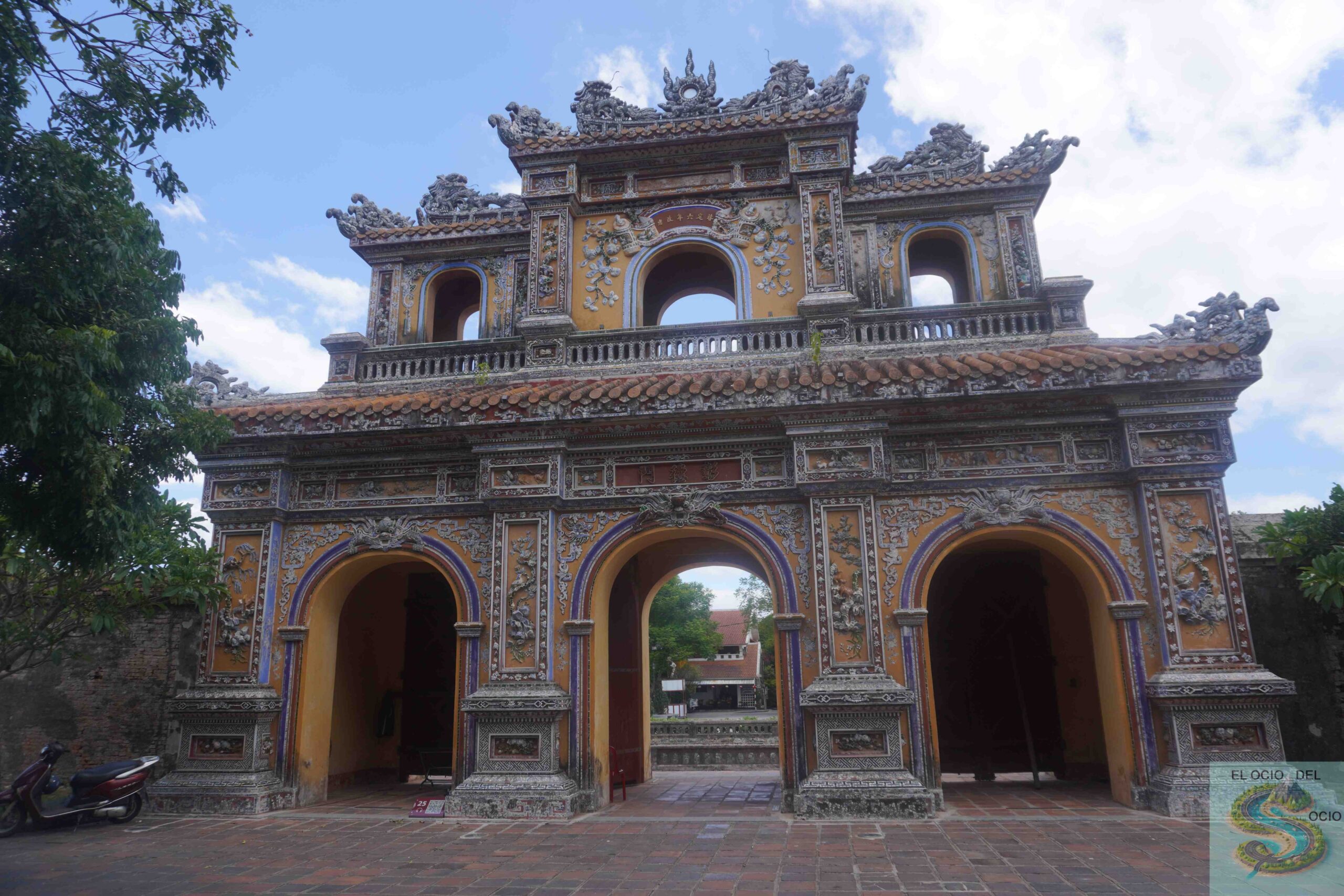
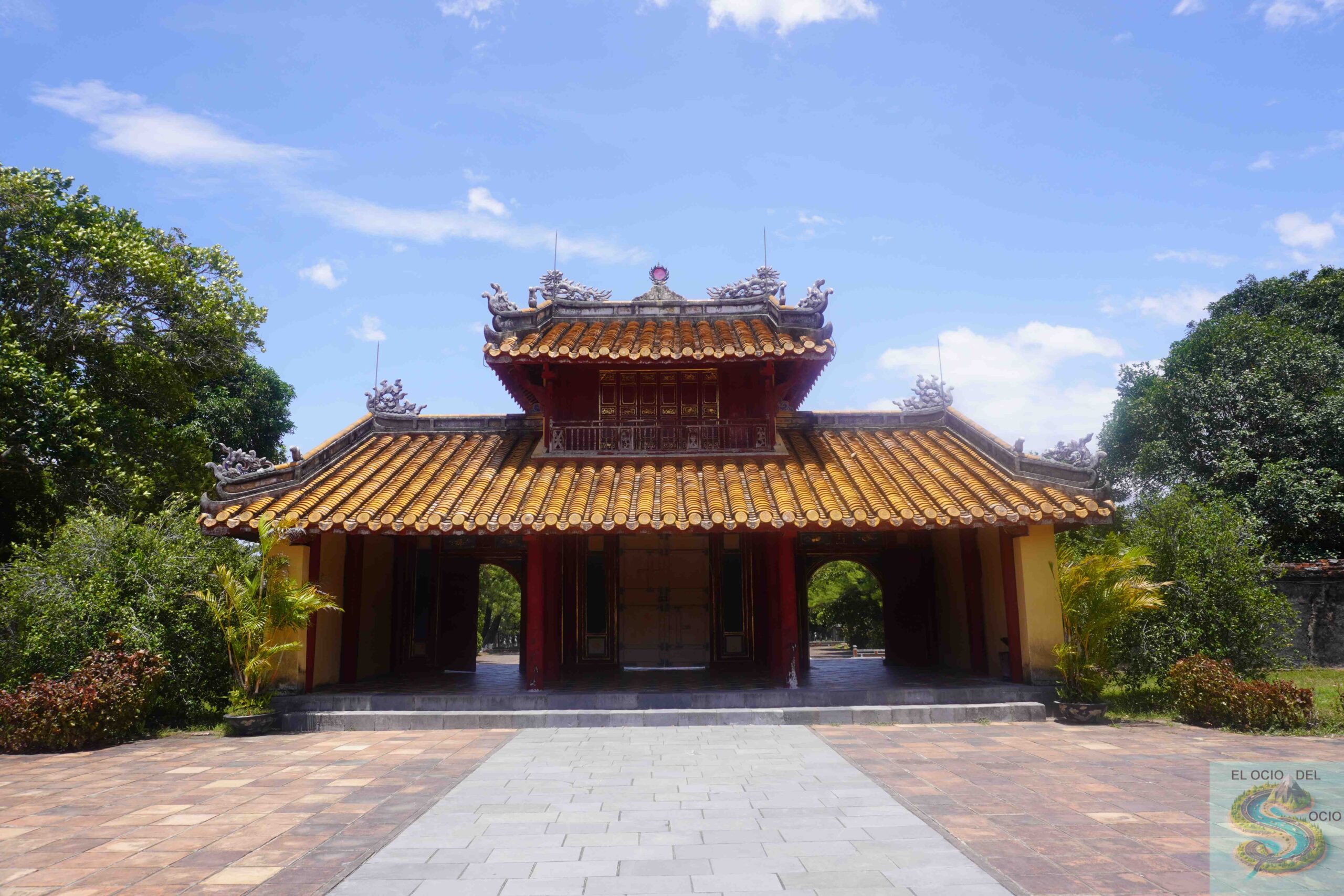
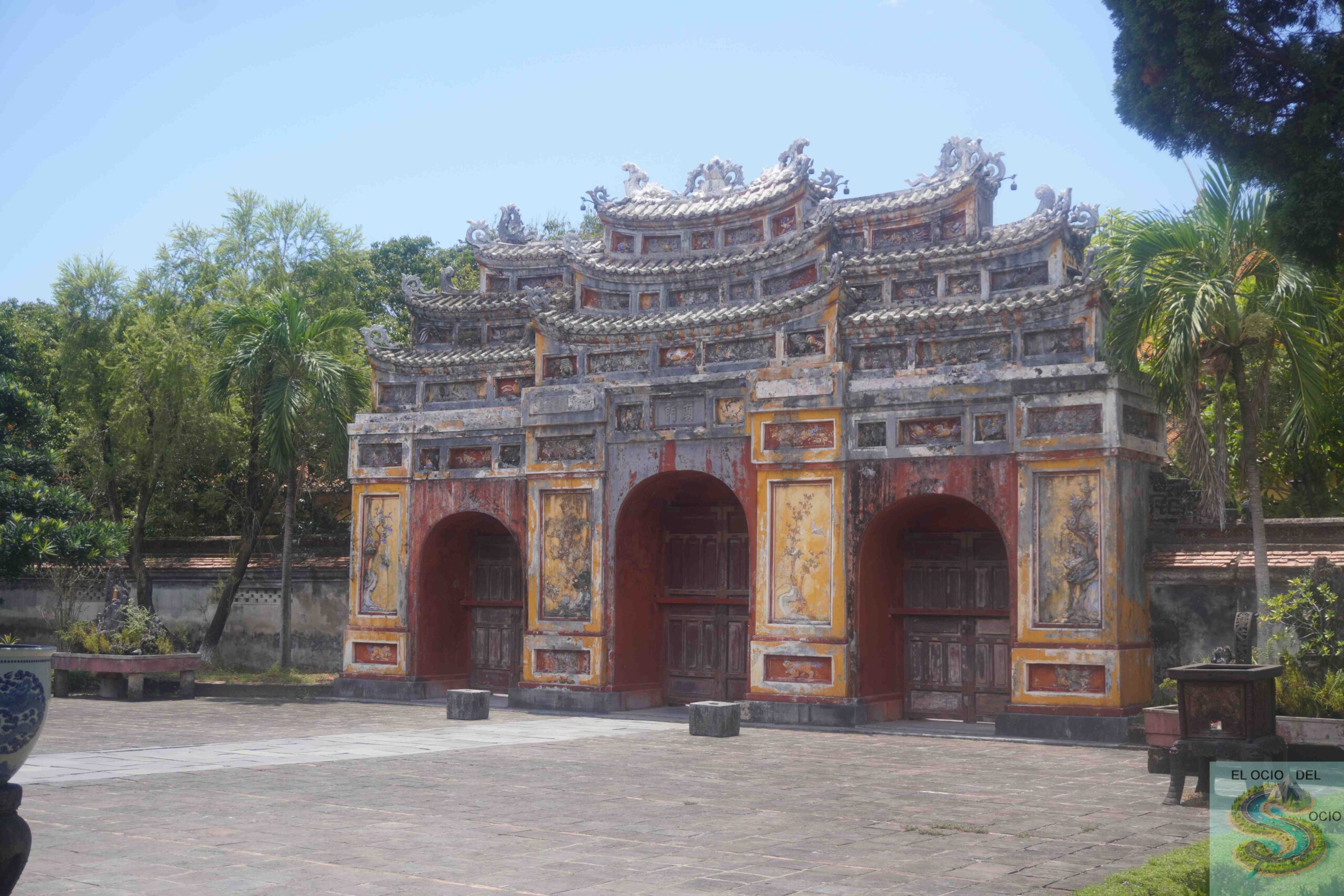
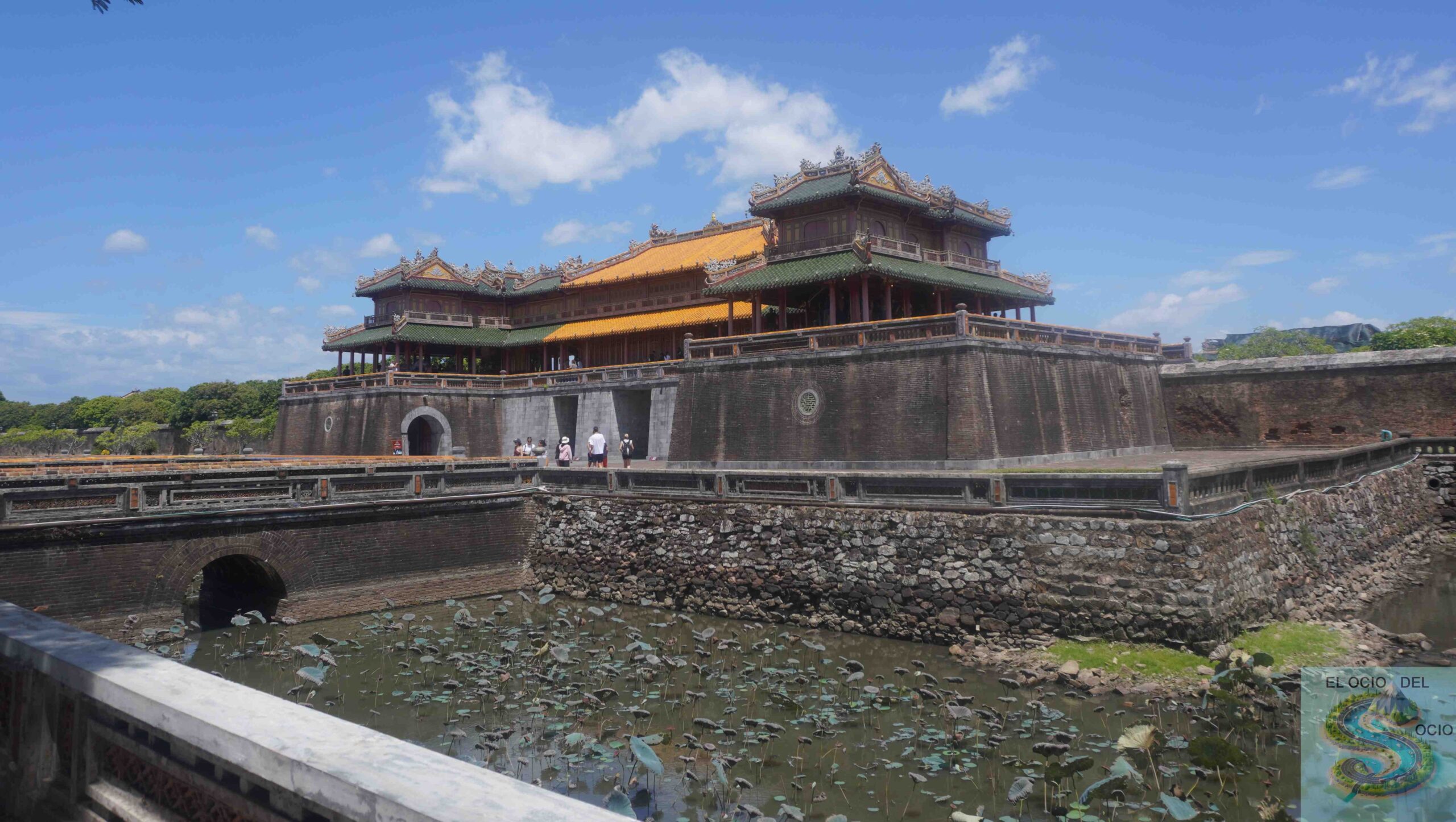
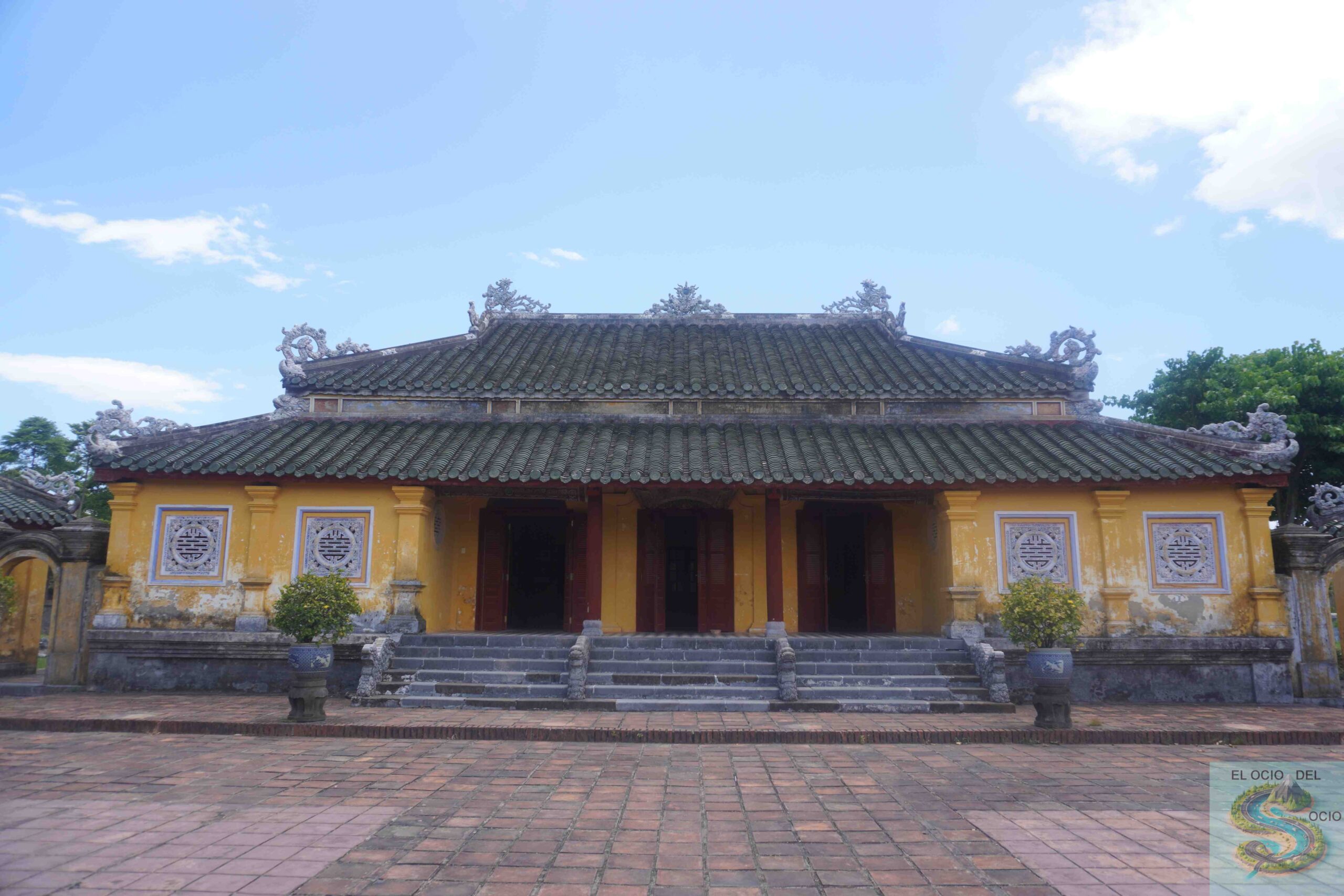
General admission costs 200,000 VND (about €8). We recommend visiting first thing in the morning (it opens at 7:30) to avoid the stifling heat of midday and the large groups of tourists.
The Imperial Tombs: Works of art in the middle of nature
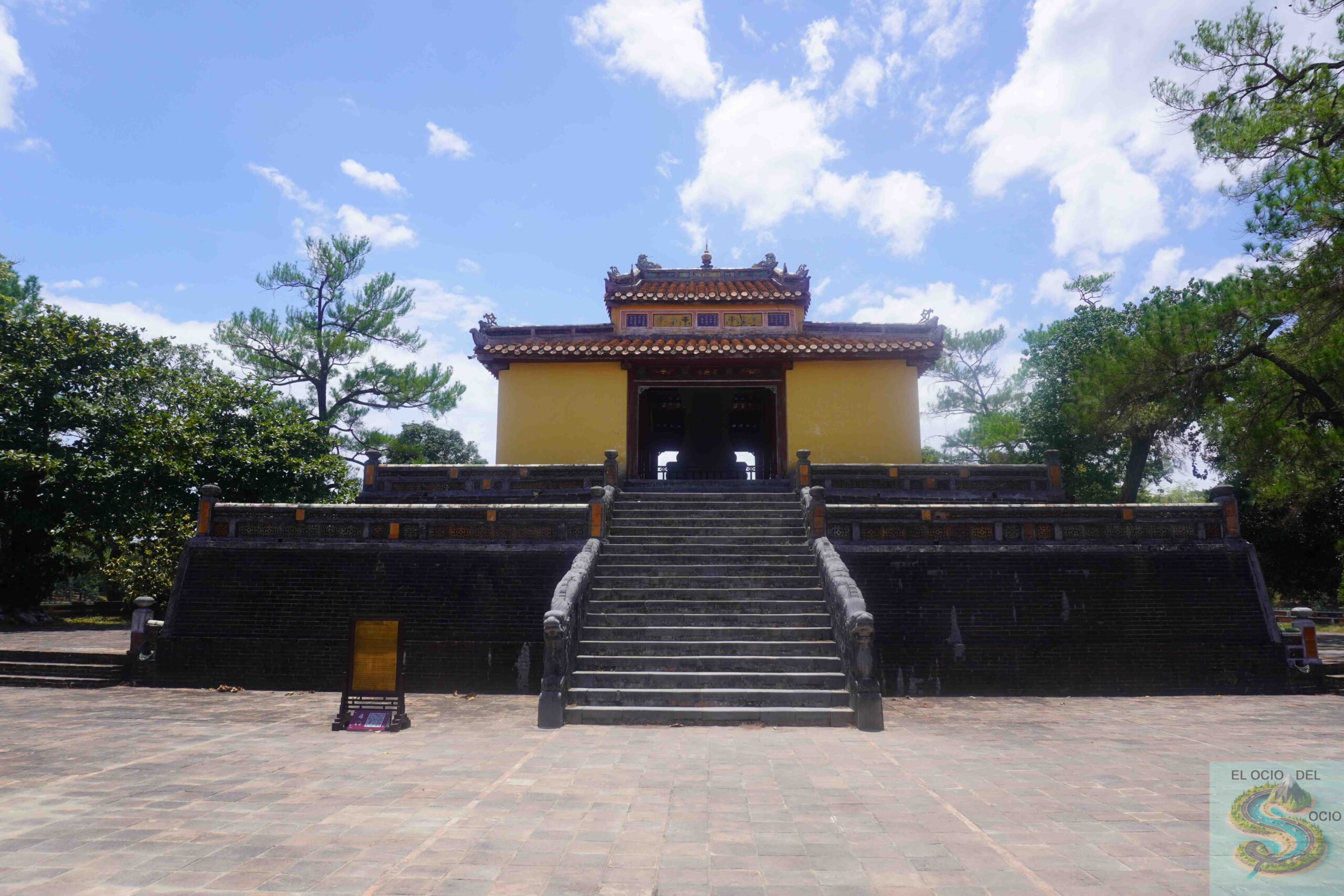
The imperial tombs of the Nguyen sovereigns are distributed along the Perfume River. More than simple tombs, they are palace complexes designed during their lifetime by the emperors themselves, integrating architecture in a sublime way with the natural environment and the principles of Feng Shui. Although there are seven, if you have little time you should prioritize two completely different architectural gems:
The Tomb of Minh Mang: Traditional harmony and symmetry
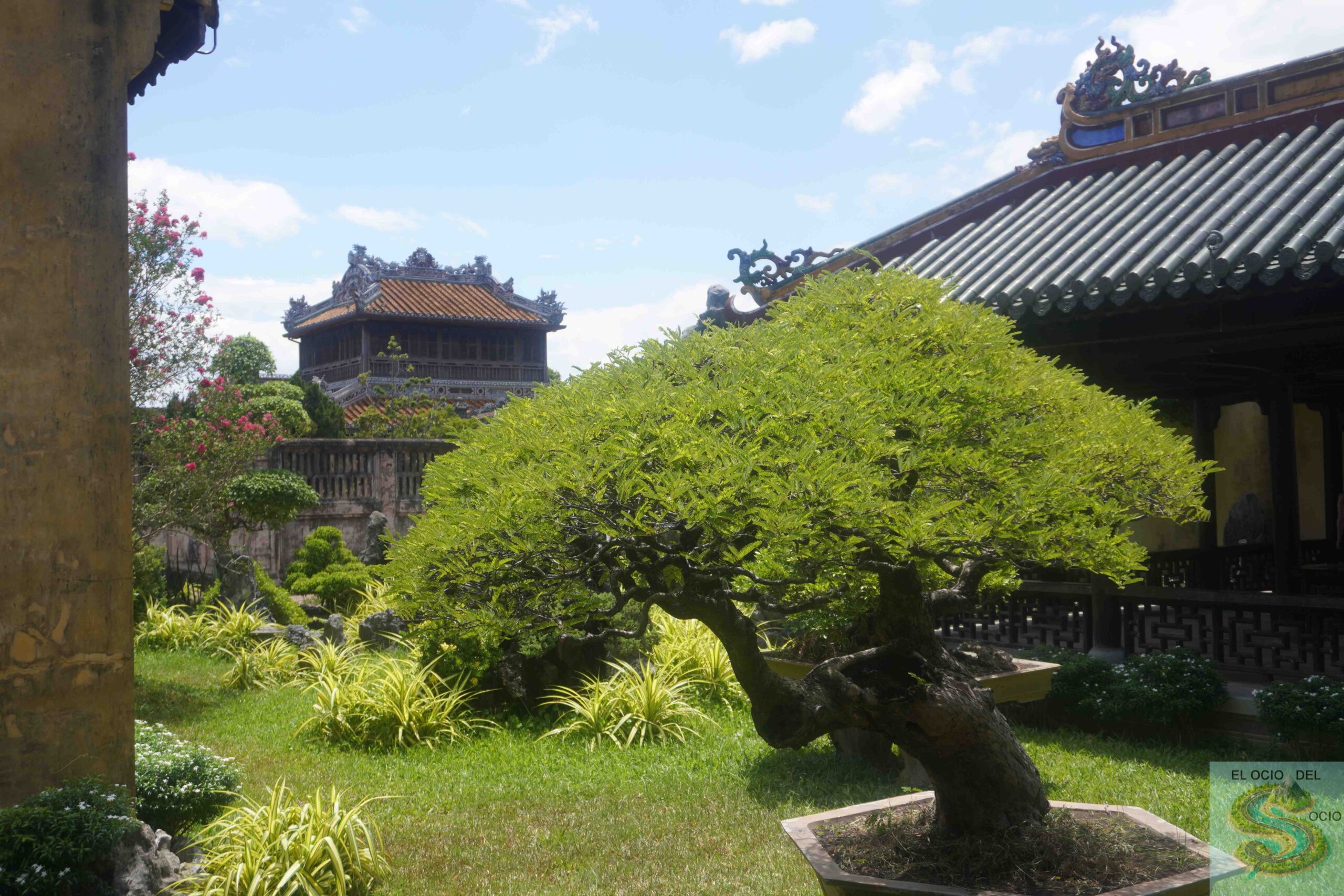
Designed with perfect symmetrical balance, the tomb of Emperor Minh Mang stands out for its beautiful artificial lakes covered in lotus flowers, its hardwood pavilions and its lush bonsai gardens. Crossing its main portal evokes an almost mystical spiritual peace.
The Tomb of Khai Dinh: A gothic and oriental delirium
At the opposite end of the artistic spectrum is the Khai Dinh Tomb. Built of concrete on the side of a hill, it fuses traditional Vietnamese style with Gothic and European baroque. As you climb its stairs flanked by stone dragons, you will come across a breathtaking interior: walls covered with meticulous mosaics of Chinese porcelain and colored glass that represent the seasons of the year.
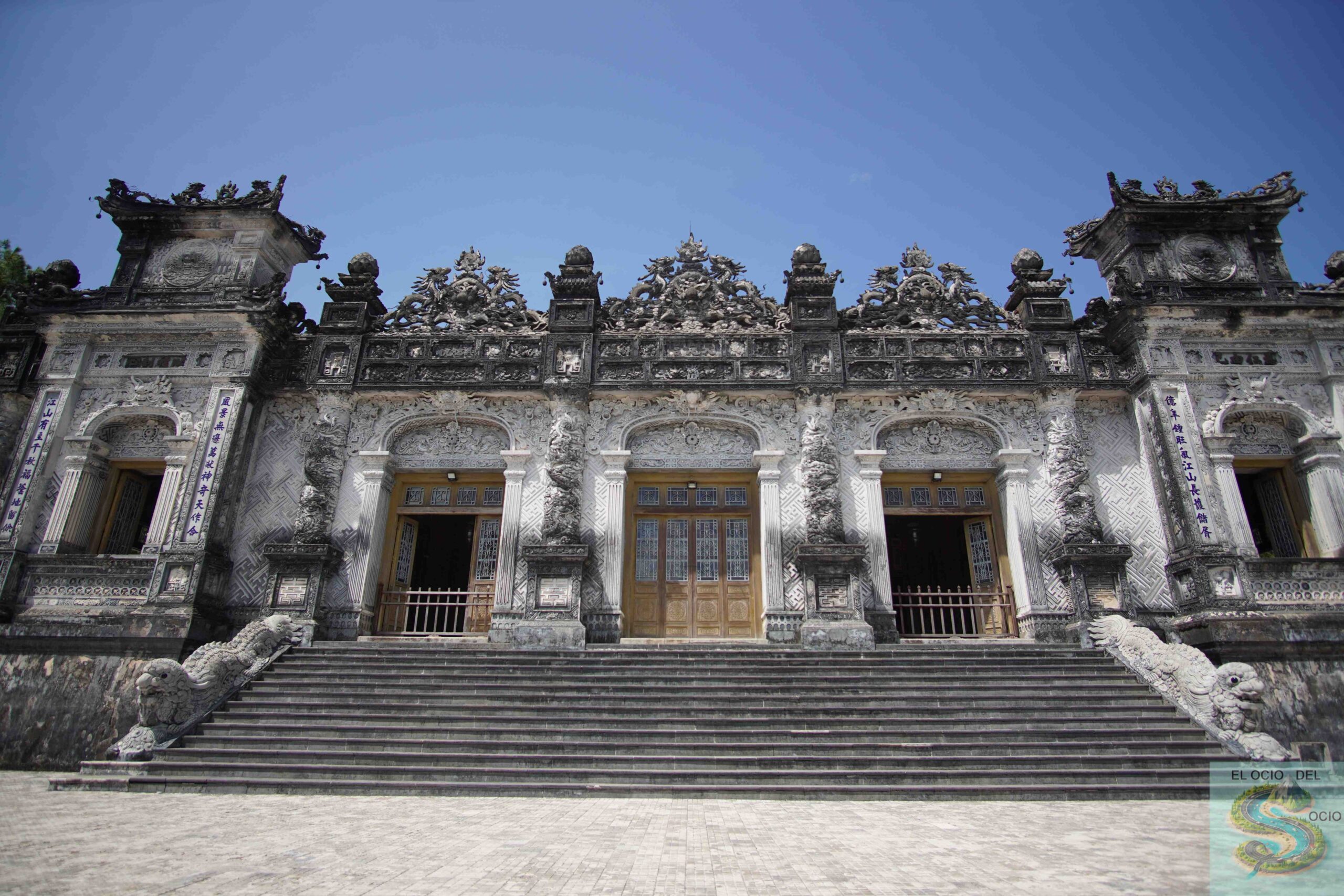
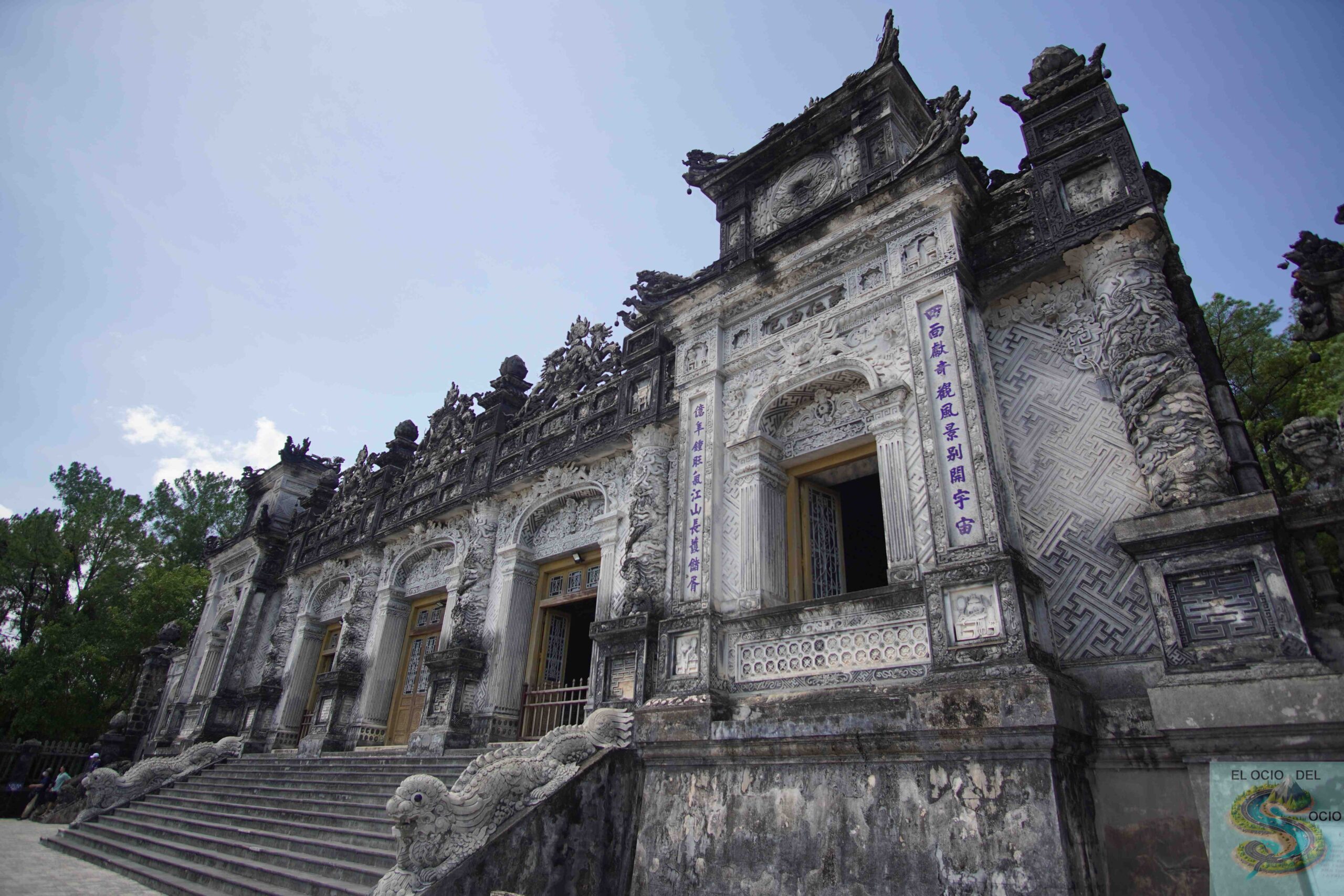
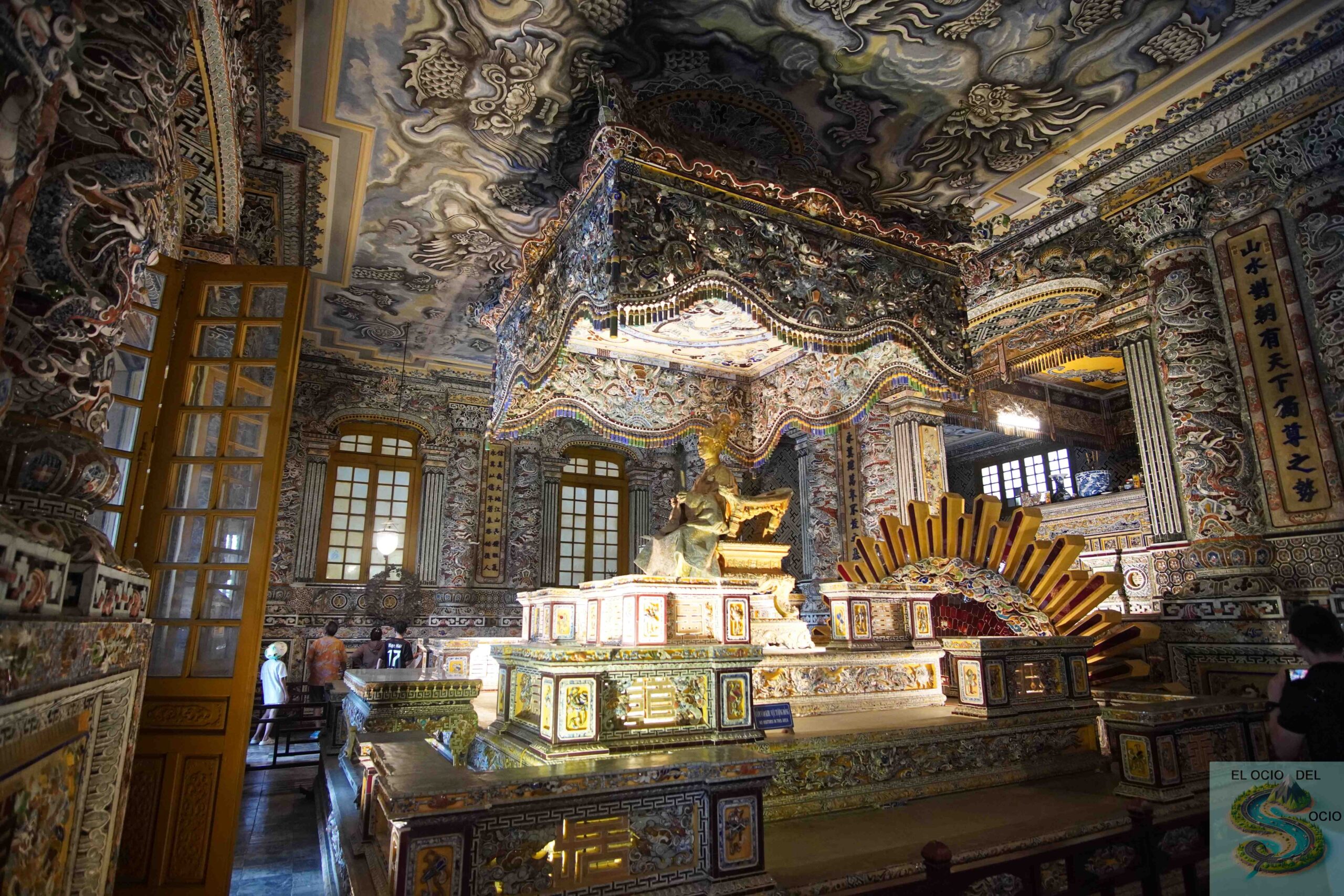
The mythical Thien Mu Pagoda and the sunset on the Perfume River
Known as the Heavenly Lady Pagoda, Thien Mu is the official symbol of Hue. Located on a hill with panoramic views of the Perfume River, its iconic seven-story octagonal tower (Phuoc Duyen) was built in 1844, with each of its levels representing a different incarnation of Buddha.
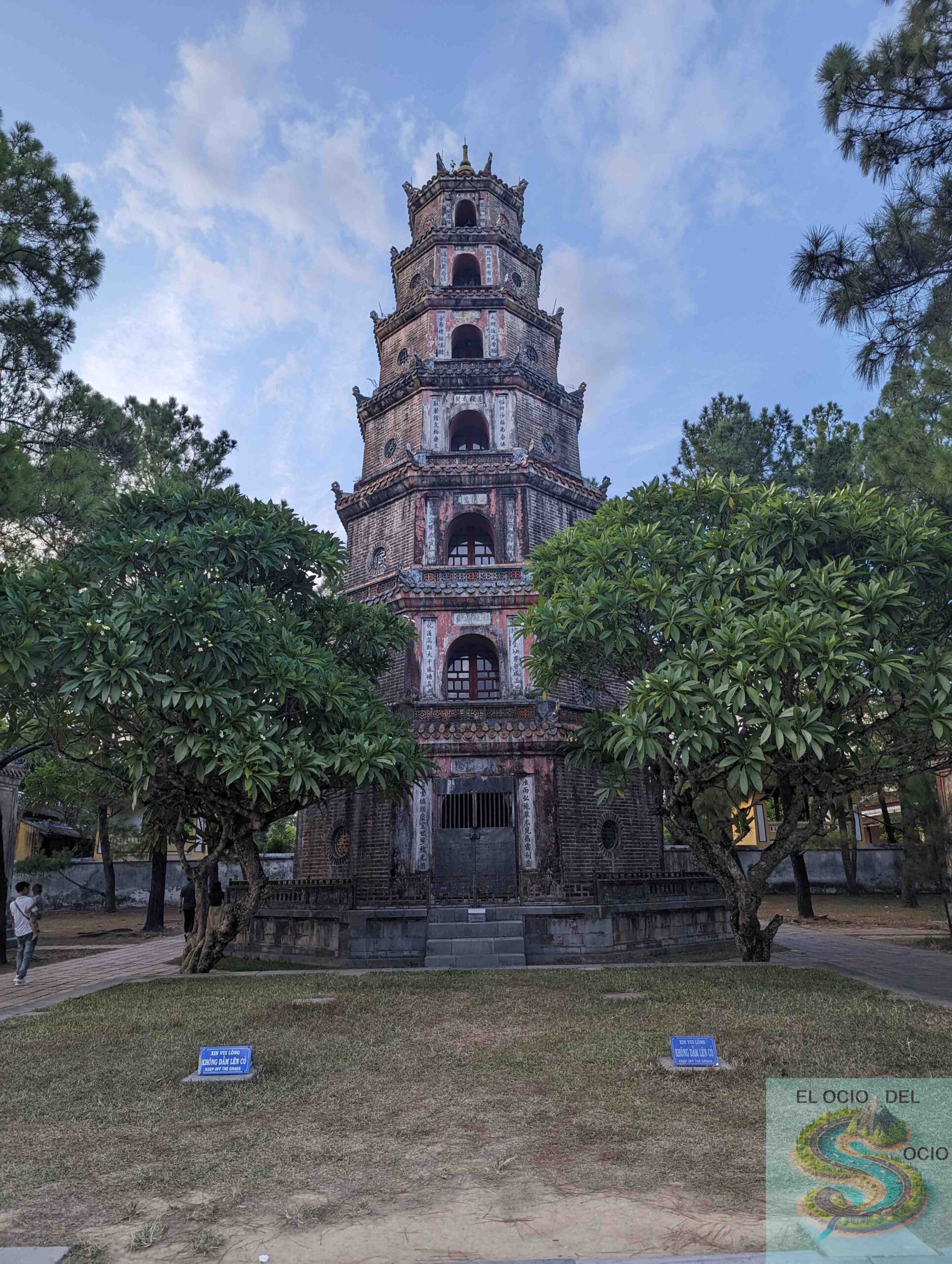
Admission is completely free. In the rear temple is preserved the original blue Austin car with which the monk Thich Quang Duc traveled to Saigon in 1963 to immolate himself in protest against the religious oppression of the southern Vietnamese regime. After the visit, the best plan to end the day is to take a traditional boat ride (the famous dragon-shaped boats) to enjoy the sunset over the river while the sky colors the water in golden and reddish tones.
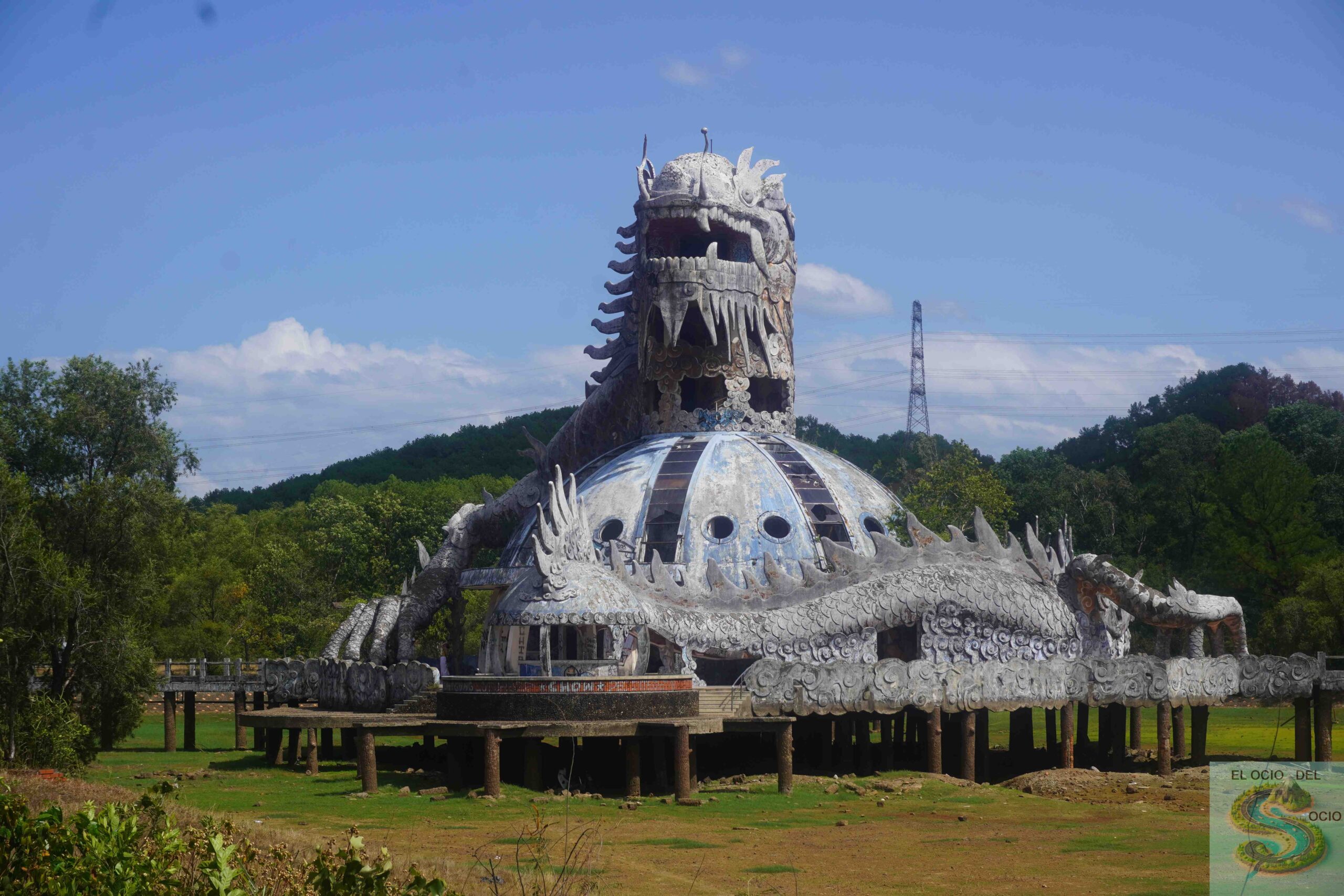
The enigmatic Abandoned Ho Thuy Tien Water Park
For travelers seeking experiences off the conventional tourist trail, the abandoned Ho Thuy Tien Water Park is a legendary stop. Half-opened in 2004 and closed shortly after due to financial problems, nature has slowly been reclaiming this attraction complex.
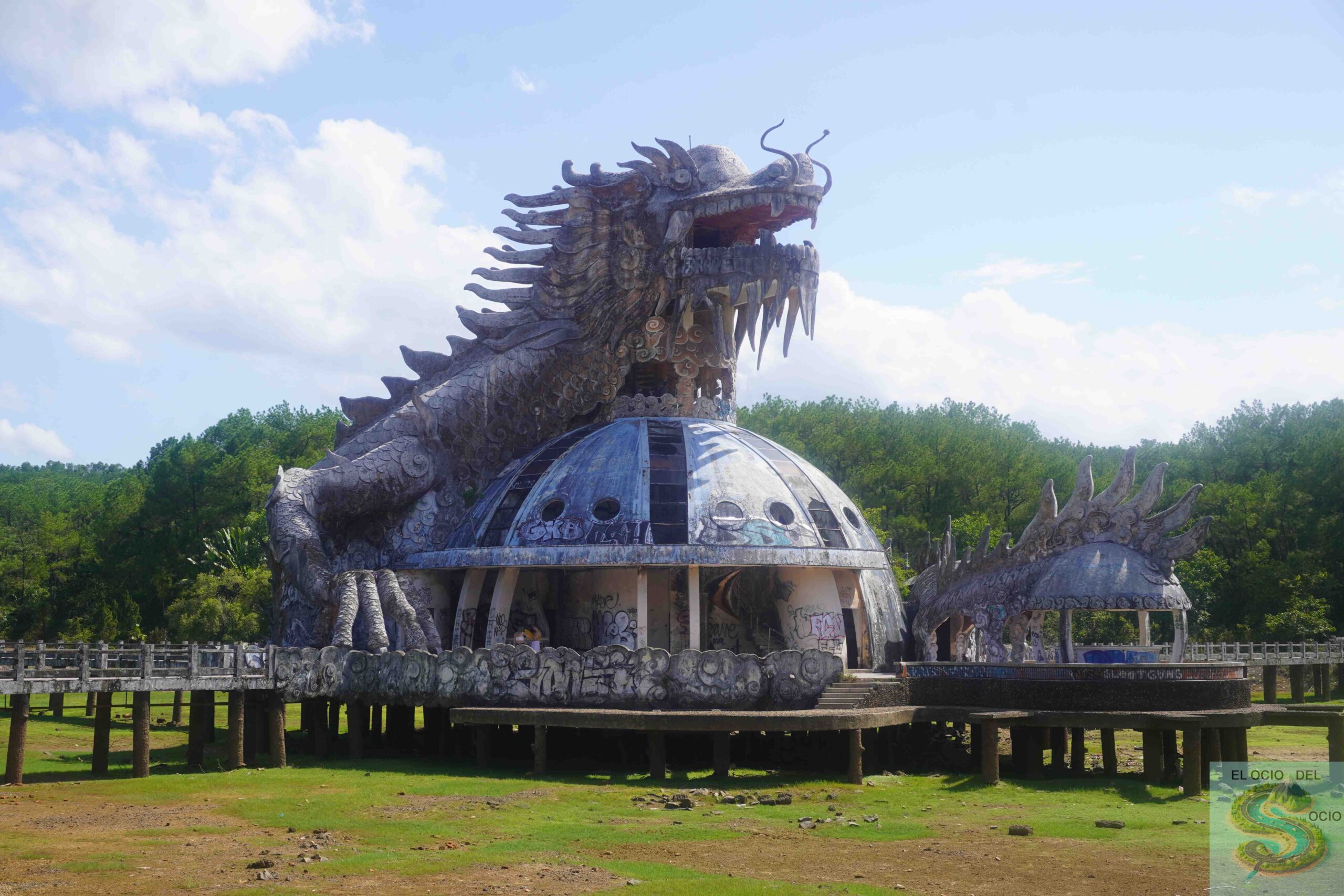
Its most spectacular and photogenic element is the enormous statue of a concrete dragon that seems to emerge from the center of the lake, protecting the ruins of what was going to be an interactive aquarium.
Currently the park is officially closed and there are usually guards monitoring the main entrances. However, many travelers manage to get in by leaving a small tip to the check-in staff. If you decide to venture out, walk carefully through the worn-out structures and be prepared to capture photos with a post-apocalyptic atmosphere unique to Vietnam.
Practical tips for traveling through Hue
- How to get around:The most comfortable way to tour the tombs and the abandoned park, which are far from the center, is to rent a motorbike for around 120,000 VND (€5) per day or hire private transfers through the Grab app.
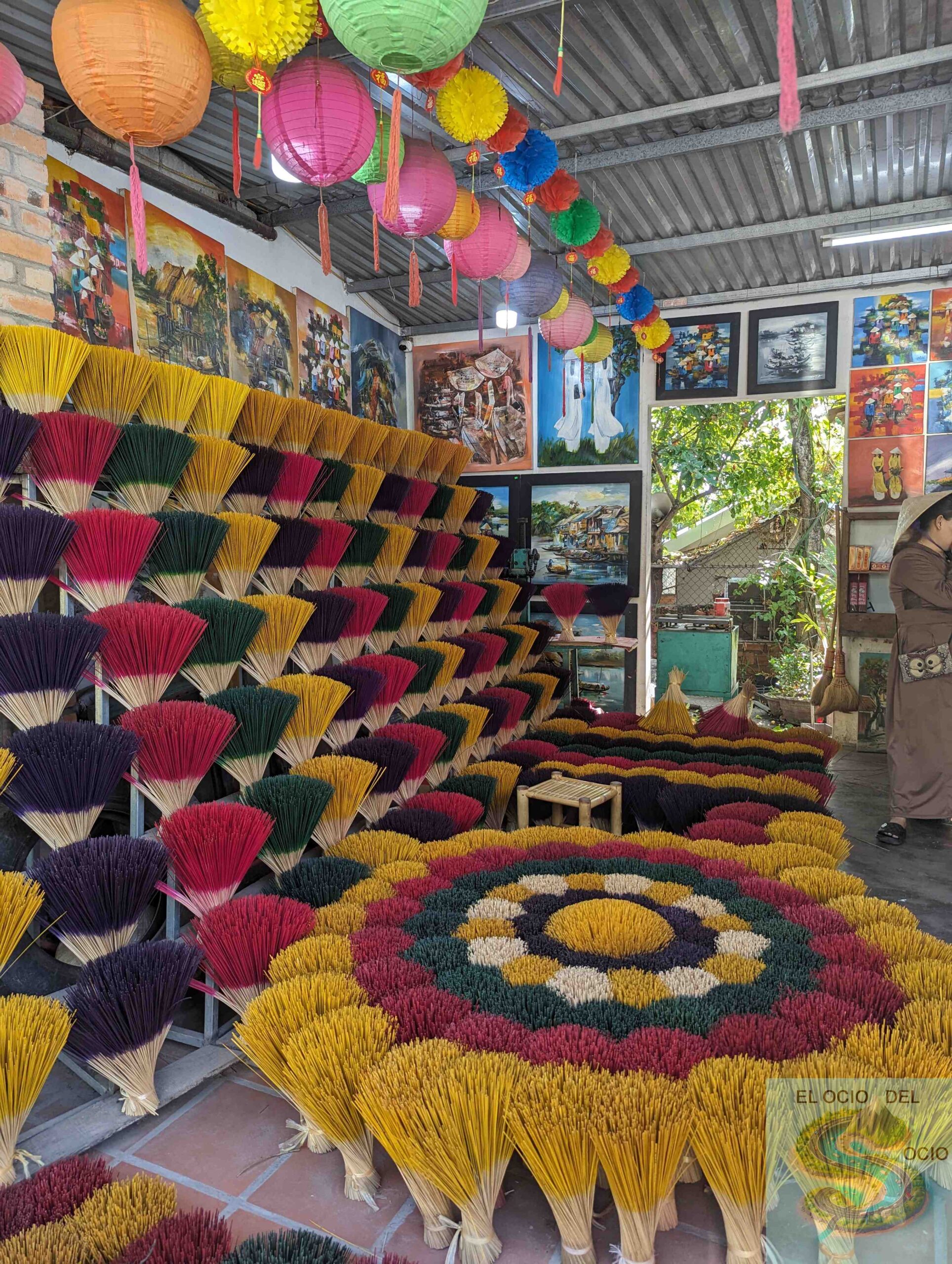
- Local crafts:On your way to the imperial tombs, you will pass through picturesque villages where conical hats and colorful incense sticks are made. Don’t hesitate to stop to chat with the artisans and take home an authentic souvenir.
- Gastronomy you should try:Hue has one of the most renowned cuisines in Vietnam thanks to its imperial legacy. Don’t leave without trying theBun Bo Hue(rice noodle soup with beef and a spicy touch) and theBanh Khoai(a kind of crispy rice crepe filled with pork and shrimp).
- Your next destination:After passing through Hue, the logical route will take you to Hoi An. The 3-hour road trip passes through the famous Hai Van Pass, one of the most photogenic coastal routes in Southeast Asia. Get the camera ready!